
Kano State Approves Over ₦20bn for Road Infrastructure, Expands Multi-Sector Capital Spending
The Kano State Government has approved a fresh round of capital expenditures running into tens of billions of naira, with a strong focus on road infrastructure, public utilities, and social services, as it moves to improve connectivity, support economic activity, and address service delivery gaps across the state.
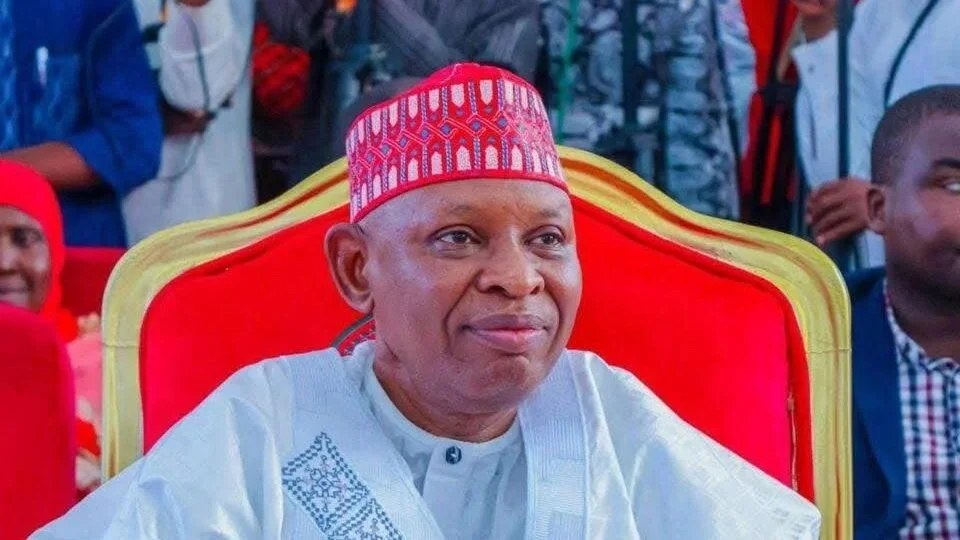
The approvals were taken at a recent State Executive Council meeting chaired by Governor Abba Kabir Yusuf, underscoring the administration’s emphasis on infrastructure-led development in both urban and rural communities.
A significant share of the approvals is directed at road construction and rehabilitation, reflecting Kano’s strategic position as a commercial hub in northern Nigeria. The largest allocation covers the re-award of the Gwarzo–Tsaure–Tsanyawa corridor, a key inter-local government route expected to ease the movement of people and goods across agrarian and peri-urban areas.
In addition, the council authorised funding for the expansion of a major five-kilometre roadway in Karaye Local Government Area. The project is designed to reduce congestion, improve safety, and support growing residential and commercial activity along the corridor.
Further approvals include upgrades to major arterial routes within Kano metropolis, notably sections linking Bompai, Audu Bako Way, and Murtala Muhammad Way. These corridors serve as critical connectors between business districts, government institutions, and transport nodes, making them central to the city’s mobility network.
According to the state government, smaller but strategically important allocations were also made for feeder roads and rehabilitation works in local government areas such as Albasu and Kiru, aimed at improving access to markets, schools, and health facilities.
Urban Corridors and Rural Connectivity
Beyond headline projects, the council approved additional works around high-traffic junctions and gateways, including areas near the airport axis and major roundabouts. These interventions are intended to improve traffic flow, enhance road durability, and address long-standing bottlenecks in the city’s transport system.
In rural parts of the state, funding was approved for feeder roads linking farming communities to dams and irrigation infrastructure. Officials say these projects are expected to support agricultural productivity by reducing post-harvest losses and lowering transport costs for rural producers.
Alongside transport infrastructure, the council approved funding for education, healthcare, and water supply, reflecting a broader development agenda beyond physical assets.
In the education sector, allocations were made to clear outstanding obligations to boarding school suppliers and to rehabilitate selected public secondary schools. The government also approved the procurement of learning materials aimed at improving access to basic educational resources for students across the state.
Healthcare spending includes funding for the renovation and equipping of a primary healthcare facility in Bichi, part of efforts to strengthen frontline medical services and reduce pressure on tertiary hospitals.
Water infrastructure also featured prominently, with approvals for the rehabilitation of an earth dam in Sumaila and the continuation of a state-wide water supply intervention programme. These projects are intended to improve access to potable water and enhance water security in both urban and semi-rural communities.
Security and Public Facilities
To bolster community security, the council approved funding for mobility assets for the Neighbourhood Watch Corps, alongside measures to formalise their engagement within the state’s civil service framework. The government argues that improved logistics and job security for local security operatives will strengthen surveillance and rapid response capabilities.
Additional approvals covered public facilities, including religious and community structures, compensation payments to property owners affected by urban renewal programmes, and the settlement of outstanding obligations to the state’s electricity distribution company.
Fiscal Context and Outlook
The latest approvals come against the backdrop of Kano State’s proposed ₦1.37 trillion budget for 2026, which prioritises infrastructure, social services, and economic revitalisation. While the government has not formally confirmed whether all newly approved projects are captured within the draft budget, the scale of recent council decisions signals continued emphasis on capital spending.
For investors and contractors, the approvals point to sustained opportunities in road construction, urban renewal, and public infrastructure delivery. For policymakers, they highlight the growing challenge of balancing ambitious capital programmes with fiscal sustainability and execution capacity.
Conclusion
Kano State’s latest round of approvals reinforces infrastructure as a central pillar of its development strategy, with roads positioned as catalysts for economic integration, service delivery, and urban efficiency. As implementation unfolds, the impact will depend not only on funding levels but on project execution, transparency, and alignment with long-term planning objectives.
