
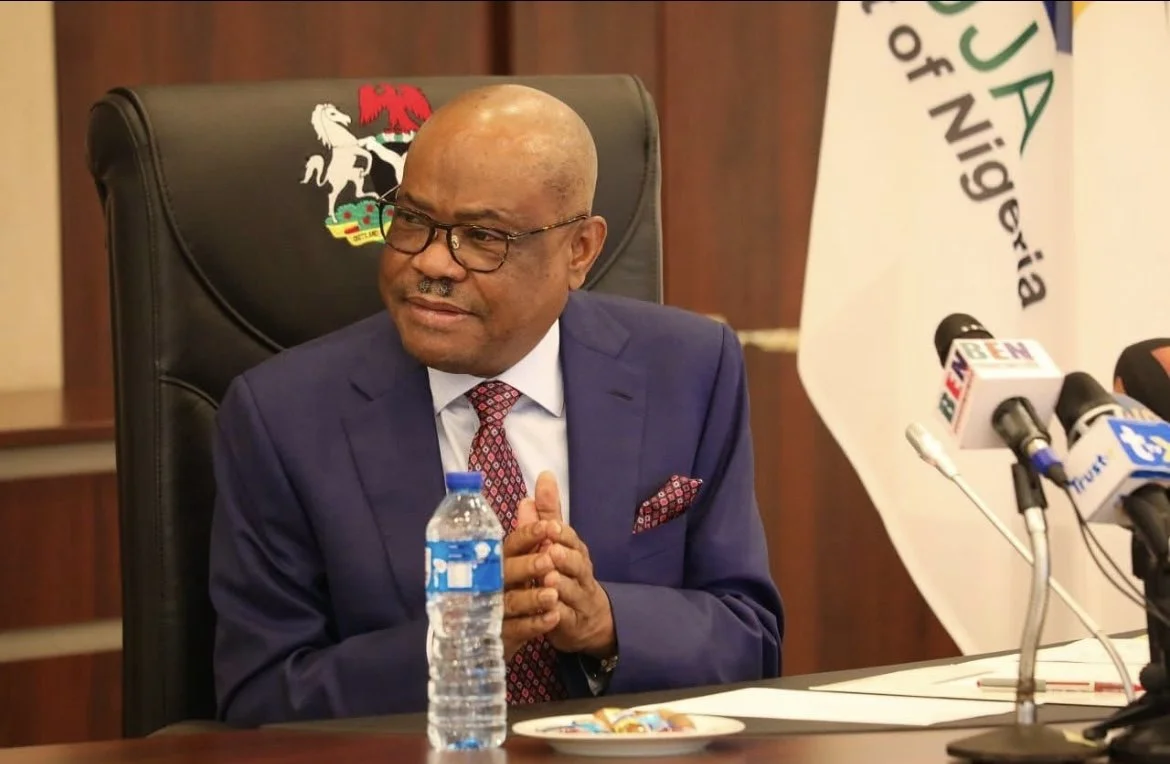
The Federal Capital Territory Administration (FCTA) has withdrawn property rights for 1,095 plots across Abuja after owners failed to settle statutory land-related obligations within the stipulated deadline. The enforcement action followed a two-week grace period issued by the Minister of the Federal Capital Territory, Nyesom Wike, requiring all defaulters to clear outstanding ground rent, land use conversion charges, and Certificate of Occupancy (C-of-O) fees by 25th November 2025.
Government Enforces Compliance After Multiple Notices
According to the Department of Land Administration, the revocations stemmed from repeated non-compliance despite several public notices published across national newspapers, digital platforms, and broadcast channels. The administration stated that the affected allottees failed to regularise arrears that fall under the financial obligations required to maintain legal occupancy under the Land Use Act.
Of the 1,095 affected properties:
835 plots were revoked due to unpaid ground rent.
260 plots were revoked for land use contravention or unpaid conversion charges.
The FCTA also published supporting details such as file numbers, plot identifiers, cadastral zones and districts, amounts owed, and relevant enforcement dates. This aligns with Section 28 (5a and 5b) of the Land Use Act, which empowers government authorities to revoke occupancy rights when allottees violate the terms of their grants.
High-Profile Allottees Included in the Revocation List
The revocation exercise spans a wide range of stakeholders, including federal entities, state institutions, private developers, and well-known political figures. Among those listed are several former government office holders and prominent Nigerians linked to properties flagged for non-payment.
The publication identified properties associated with:
Gen. Theophilus Yakubu Danjuma (rtd.)
Former First Lady Patience Jonathan
Former Senate President David Mark
Former Jigawa State Governor Sule Lamido
Senator Ali Ndume
Senator Iyiola Omisore
The Emir of Ilorin, Ibrahim Sulu-Gambari
Professor Bolaji Akinyemi
Tony Anenih (estate interests)
Former Minister of Petroleum Resources, Diezani Alison-Madueke
The inclusion of high-profile individuals underscores the FCTA’s commitment to apply land administration rules uniformly across categories of property holders.
Why the Enforcement Matters for Abuja’s Land Governance
The latest revocation exercise aligns with the FCT’s broader strategy to improve land administration efficiency, curb speculation, and strengthen transparency in the allocation and utilisation of public land.
Ground rent represents one of the administration’s most important recurring revenue channels, supporting infrastructure development, district servicing, and city maintenance. Persistent defaults weaken Abuja’s fiscal capacity and disrupt planned urban management.
The enforcement also serves as a deterrent against long-standing challenges such as inactive land holdings, abandoned plots, and speculative accumulation of undeveloped land in high-value districts.
Next Steps for Affected Property Holders
The FCTA has indicated that all revoked plots automatically revert to the government and may be reassigned following due process. However, individuals seeking clarification or filing appeals must engage the Department of Land Administration directly.
Legal analysts note that revocation strictly for financial default is consistent with the Land Use Act, provided the government demonstrates adequate notice and transparent procedure both of which the FCTA claims to have fulfilled.
Conclusion
The revocation of 1,095 properties represents one of the most extensive enforcement actions undertaken by the FCT in recent years. As Abuja continues to expand, compliance with statutory land obligations remains central to ensuring sustainable urban development, orderly planning, and a functioning land economy. The exercise is expected to reset expectations for allottees and strengthen regulatory discipline within the capital’s property market.
