
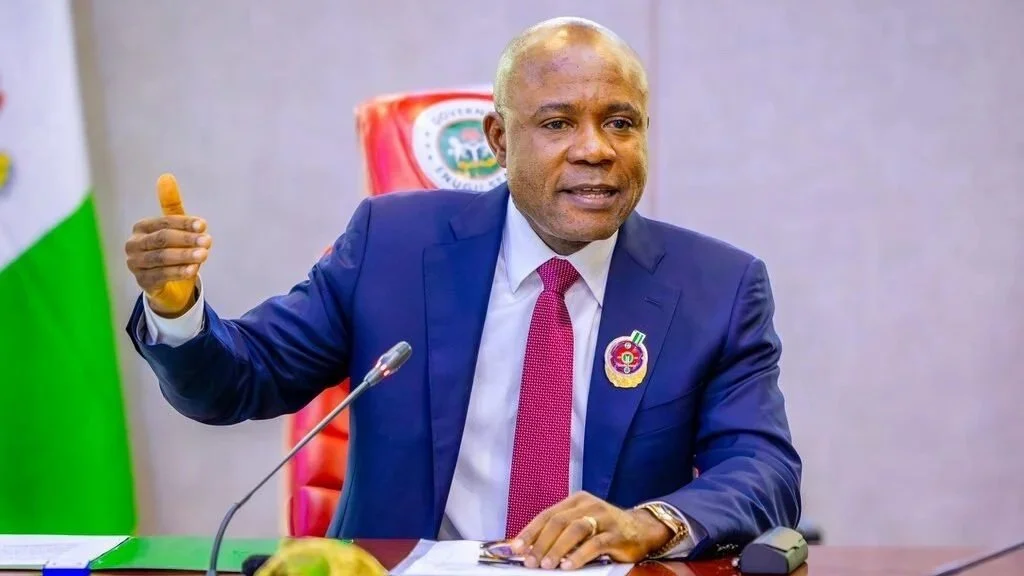
Enugu State Governor Peter Mbah has signed the state’s 2026 budget into law, setting out an ambitious fiscal plan anchored on a projected ₦870 billion in Internally Generated Revenue. The signing marks a key milestone in the state’s economic agenda, with the government positioning the budget as a tool to accelerate growth, strengthen public services, and expand Enugu’s productive capacity.
The 2026 budget reflects the administration’s focus on moving Enugu toward a more self sustaining revenue model, reducing reliance on federal allocations while expanding the state’s economic base.
Revenue Focus and Fiscal Direction
A central feature of the 2026 budget is the aggressive IGR target, which signals confidence in Enugu’s ongoing reforms around taxation, economic formalization, and investment attraction. The government has indicated that improved revenue administration, digital systems, and broader economic activity will be key drivers of the higher revenue projection.
The budget framework emphasizes accountability and efficient use of public funds, with spending priorities aligned to sectors expected to generate long term economic returns.
Infrastructure and Development Priorities
The 2026 spending plan places strong emphasis on infrastructure, including roads, urban renewal, public facilities, and projects aimed at improving the ease of doing business in the state. By directing capital toward infrastructure and productive assets, the government aims to stimulate private sector participation and unlock new investment opportunities.
For the real estate and construction sectors, increased public investment could translate into improved access roads, better serviced urban areas, and rising demand for residential and commercial developments, particularly within Enugu’s expanding urban corridors.
Implications for the Property and Investment Landscape
An expanding state budget with a strong revenue outlook can have important implications for property markets. Improved infrastructure, stable public finances, and clearer development priorities tend to support land values, housing demand, and investor confidence.
Developers and investors will be watching how effectively budgeted projects are executed, as delivery will play a major role in shaping Enugu’s attractiveness as a destination for housing, retail, and mixed use developments.
Looking Ahead
With the 2026 budget now signed into law, attention shifts to implementation. The success of the spending plan will depend on the state’s ability to meet its revenue targets while translating budget allocations into visible economic and social outcomes.
As Enugu pursues its growth ambitions, the 2026 budget sets the tone for a year focused on revenue expansion, infrastructure delivery, and positioning the state for longer term development.