
Dr. Aminu Bashir Assumes Presidency of NIQS, Announces Comprehensive Reform Agenda
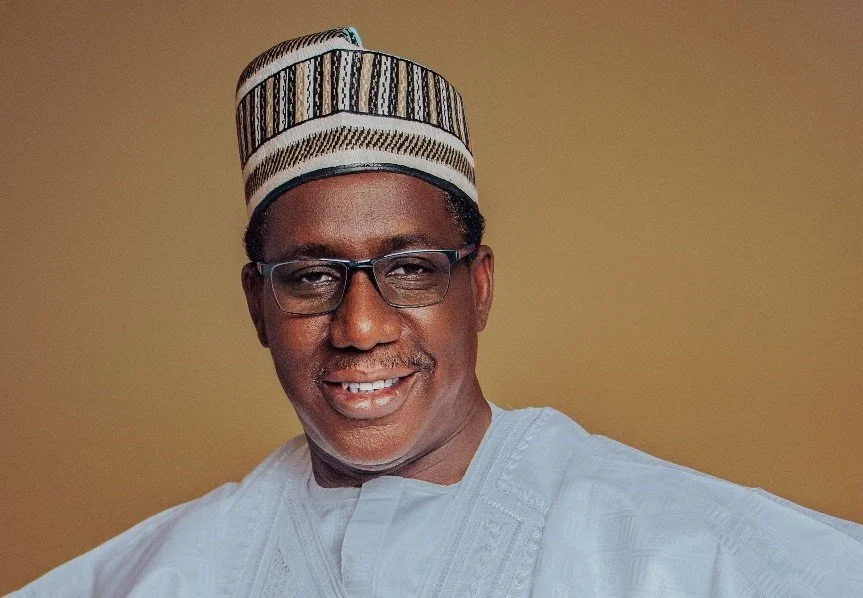
Dr. Aminu Bashir Becomes NIQS President, Launches Comprehensive Reform Agenda
The Nigerian Institute of Quantity Surveyors (NIQS) has embarked on a transformative phase under the leadership of Dr. Aminu Bashir, formally installed as the institute’s 28th President. Speaking at his investiture in Abuja, Bashir outlined a multi-faceted reform agenda designed to strengthen professionalism, enhance institutional capacity, and elevate the role of quantity surveyors in Nigeria’s construction and infrastructure sectors.
A central pillar of Bashir’s agenda is a coordinated national advocacy programme targeting government ministries, departments, agencies (MDAs), regulators, and private-sector stakeholders. The initiative aims to increase NIQS visibility, secure consultancy opportunities for members, and deepen the institute’s participation in procurement processes across key infrastructure and construction projects.
To address technical competence gaps, the new National Executive Council (NEC) will roll out specialised training programmes covering mechanical, electrical, and plumbing (MEP) and HVAC systems, highways and rail construction, marine engineering, and oil and gas infrastructure. Partnerships with industry specialists are planned to facilitate internships for emerging quantity surveyors, strengthening workforce readiness.
Strategic Investments and Financial Sustainability
In a significant policy shift, NIQS will begin investing in real estate assets to build sustainable revenue streams. Bashir indicated that the institute plans to expand its asset base by acquiring landed properties and strategically viable projects in locations with strong value appreciation potential.
The institute also plans a comprehensive overhaul of its secretariat, including operational audits, recruitment for vacant positions, full digitisation of administrative processes, and the establishment of a unified member portal. Energy efficiency will be addressed through a planned migration to solar power, aimed at reducing operational costs.
Governance and Constitution Review
Bashir announced the formation of a Constitution Review Consultative Committee (CRCC) with representation from all geopolitical zones. The committee will collate member feedback to guide reforms aimed at modernising governance and aligning NIQS operations with international best practices.
The NEC will finalise updates to NIQS’s strategic action plan and corporate documents while intensifying a rebranding campaign to enhance public trust and raise the profession’s profile.
Completion of NIQS Cost Data Bank
Bashir reaffirmed the commitment to completing the NIQS Cost Data Bank, a critical national tool designed to support accurate cost planning, budgeting, and monitoring of capital projects.
Working with the Quantity Surveyors Academy, NIQS will expand training in digital cost management, data analytics, sustainability, carbon assessment, green building practices, and energy audits, equipping members with skills for modern construction challenges.
Recognition of Emerging Talent
To attract and motivate young professionals, the institute will introduce the NIQS President’s Award for Best Graduating Quantity Surveying Students across tertiary institutions in all six geopolitical zones.
Bashir highlighted plans to negotiate reciprocity agreements with international professional bodies, enabling the export of Nigerian quantity surveying expertise, enhancing global visibility, and generating foreign exchange earnings.
The Kano State Government commended Bashir’s appointment, recognising him as the first Kano indigene to lead NIQS and describing it as a “historic and heartwarming milestone” for the profession.
Looking Ahead
Dr. Bashir’s reform agenda positions NIQS for enhanced professionalism, sustainable growth, and global integration. Through advocacy, digitalisation, capacity building, and strategic investment, the institute aims to strengthen its influence on Nigeria’s construction and infrastructure ecosystem while creating tangible value for its members.
