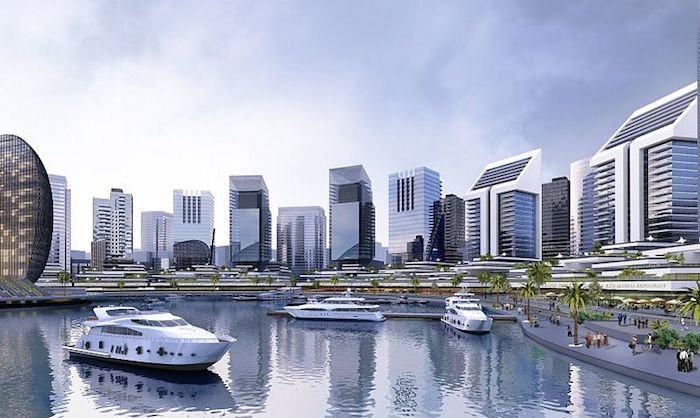
Land on Banana Island, one of Lagos’ most prestigious and high-end neighborhoods, has experienced an extraordinary surge in value. Recent market movements show that prices have jumped as much as 540 percent, with land now trading around ₦3.05 million per square meter. This dramatic shift reflects broader movements in Nigeria’s luxury real estate and has important implications for developers, investors, and affluent buyers.
What Is Driving the Price Surge?
Several factors are combining to push land values on Banana Island to unprecedented levels:
1. Scarcity of Premium Land
Banana Island is a planned, high-infrastructure enclave with limited space for new plots. As more developers and wealthy buyers compete for the remaining land, scarcity naturally drives prices higher.
2. Increased Demand for Luxury Living
Economic recovery, growth in private wealth, and a growing number of returnee Nigerians and expatriates have increased demand for premium housing. Banana Island remains a top destination for this segment because of its security, amenities, and status.
3. Strong Investment Appeal
Unlike some segments of the property market where buyer interest has slowed, high-end real estate continues to draw local and foreign capital. Investors see Banana Island land as a hedge against inflation and as a long-term store of value.
4. Infrastructure and Location Premium
Banana Island’s engineered plots, stable utilities, and proximity to business districts add significant value. Developers and buyers are willing to pay a premium for this level of convenience and quality.
What ₦3.05 Million Per Square Meter Means
At ₦3.05 million per square meter, a standard 500 sqm residential plot could now be valued at over ₦1.5 billion. This places Banana Island land among the most expensive in not just Lagos, but the entire Nigerian property market.
For comparison:
Middle-income residential plots in suburban Lagos may sell for a fraction of this amount.
In other elite districts, land prices are high but rarely match the intensities seen on Banana Island.
This divergence highlights the segmentation within the Nigerian housing market, where luxury enclaves operate under very different dynamics than mass market and affordable housing corridors.
Implications for the Lagos and National Housing Market
The surge in Banana Island land prices has several downstream effects:
Developers Recalibrate Project Costs
Builders targeting luxury and ultra-luxury segments must now account for the higher land cost base. This could affect pricing strategies, unit designs, and the pace of new high-end developments.
Investment Shifts
Some investors may shift focus toward emerging premium locations outside Lagos’s core to find more attractive land valuations. However, the prestige associated with Banana Island could continue to attract capital regardless of pricing.
Affordability Gap Widens
As land values escalate in top-tier districts, the broader question of housing affordability comes into sharper focus. While high-net-worth individuals may benefit from capital gains, the average Nigerian looking for middle-income housing sees little direct relief from these price movements.
Policy and Urban Planning Considerations
Rapid price appreciation in luxury nodes raises questions about inclusivity in urban planning. Policymakers and planners may need to balance support for investment with strategies that ensure housing diversity across income segments.
A Luxury Market With Its Own Logic
Banana Island’s land price trajectory underscores how location, exclusivity, and investment demand can shape property values independently from broader housing trends. While these high rates may not reflect conditions in the mass market, they offer a clear signal of investor confidence in Nigeria’s luxury real estate and the continued appeal of premium neighbourhoods.
For developers, investors, and high-net-worth buyers, understanding these dynamics is crucial for navigating Lagos’s most elite property landscape. For the wider housing market, the figure acts as a barometer of economic confidence, purchasing power at the top end, and the value placed on secure, well-serviced residential space in Nigeria’s economic capital.