
2025 Demolitions in Lagos: What Really Happened
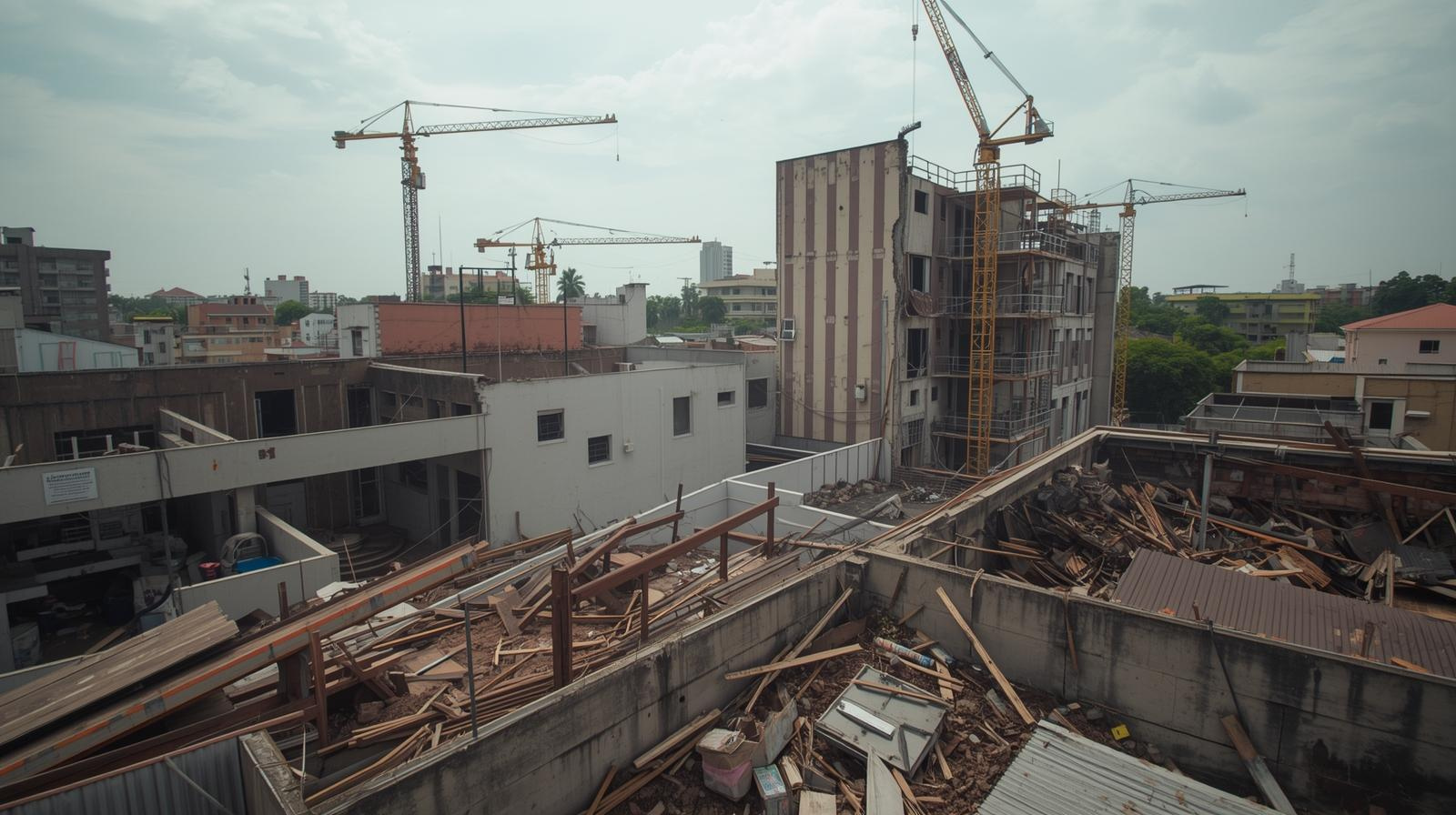
In 2025, Lagos State experienced one of its most aggressive waves of residential demolitions in recent history. Across multiple waterfront and low-income communities, thousands of homes were demolished, displacing tens of thousands of residents in operations often carried out with minimal notice, heavy security presence, and in some cases, direct defiance of court orders.
The Lagos State Government framed these actions as enforcement of urban planning laws, removal of illegal structures, and protection of public safety. However, residents, civil society groups, and international human rights organizations described the demolitions as forced evictions that violated constitutional rights, ignored due process, and deepened Lagos’ already severe housing crisis.
This article documents the major residential demolitions that occurred in Lagos State in 2025, focusing on affected communities, timelines, government justifications, public reaction, legal disputes, and humanitarian impact. It is intended as a factual research review of events, rather than an advocacy or opinion piece.
Background: Demolitions and Housing in Lagos
Lagos is Africa’s most populous city, with estimates suggesting that over 70 percent of residents live in informal or semi-formal housing. Past demolitions such as Maroko in 1990 and Otodo-Gbame in 2017 established a controversial pattern of state-led evictions tied to urban development and land control.
In 2017, following the Otodo-Gbame demolitions, a Lagos High Court issued an injunction restraining the state from carrying out forced evictions of waterfront communities without adequate resettlement. Despite this ruling, demolitions resumed in subsequent years, culminating in an intensified campaign in 2025.
Ilaje-Otumara and Baba Ijora Demolitions (March 2025)
Location and Communities
Ilaje-Otumara and Baba Ijora were long-established waterfront settlements located in the Lagos Mainland area near Ebute-Metta and Apapa Road. The communities housed predominantly low-income residents, many of whom had lived there for decades. A community-led enumeration conducted in 2022 estimated Ilaje-Otumara alone housed over 12,000 people across nearly 3,000 households.
Timeline of Events
In February 2025, officials of the Lagos State Building Control Agency (LASBCA) marked numerous buildings in both communities for demolition, reportedly issuing notices with as little as 48 hours’ warning. Residents protested and sought clarification from government officials, who allegedly assured them that no demolition was planned.
Despite these assurances, demolition commenced on 7 March 2025. Bulldozers entered the communities under the protection of armed police, environmental task force officials, and groups of informal enforcers commonly referred to as “area boys.”
Scale of Destruction
Thousands of homes, shops, churches, and community structures were destroyed in a single day. Conservative estimates put the number of displaced residents at over 10,000, making it one of the largest single eviction events in Lagos in recent years.
Residents fled with little more than clothing and small personal belongings. No emergency shelters, relocation plans, or compensation mechanisms were provided.
Legal and Public Response
The demolition occurred despite a standing court injunction protecting waterfront communities from forced eviction. Civil society organizations described the action as illegal and unconstitutional. Amnesty International and UN Special Rapporteurs condemned the demolitions, calling them “ruthless” and warning that they may constitute violations of international human rights standards.
Community groups later petitioned the Lagos State House of Assembly, alleging contempt of court and naming specific officials and traditional authorities as complicit.
Oworonshoki Demolitions (October 2025)
Location
Oworonshoki, located along the Lagos Lagoon beneath the Third Mainland Bridge, is one of Lagos’ largest waterfront communities. In 2025, it became the focal point of multiple demolition operations.
October Night Demolition
On the night of 26 October 2025, demolition teams entered parts of Oworonshoki’s Itesiwaju Ajumoni Community Development Area, including Ojulari, Ososa Extension, and Toluwalase Extension.
More than 100 houses were demolished during a nighttime operation that began around 10 p.m. Residents were forced to flee in darkness as bulldozers tore through homes. Tear gas was reportedly deployed, and armed police accompanied the demolition teams.
Court Injunction Ignored
Three days earlier, the Lagos State High Court had issued an interim injunction halting demolitions in Oworonshoki pending further hearings. Copies of the order were reportedly served on relevant agencies. The demolition proceeded regardless, raising serious concerns about contempt of court.
Human Impact
Hundreds of residents were displaced overnight. Reports emerged of injuries, and local media reported investigations into the deaths of two children allegedly linked to the demolition and tear gas exposure, though official confirmation remained unclear.
Precious Seed Community and Expanded Oworonshoki Demolitions (November 2025)
Location and Background
Precious Seed Community, also known as the Ferry community, was a densely populated waterfront settlement within Oworonshoki. A community survey conducted in 2024 identified approximately 292 buildings, nearly 1,000 households, and over 3,000 residents.
Demolition Operations
On 27 November 2025, Lagos State Task Force officials, supported by LASEMA heavy machinery and armed police, entered Precious Seed Community. Lawyers and community leaders attempted to stop the operation by presenting court orders, but tear gas was deployed to disperse them.
Homes, churches, and businesses were demolished throughout the day. Demolition expanded into neighboring streets on 28 November, effectively erasing the entire settlement.
Scale and Displacement
More than 3,000 residents were displaced in this phase alone. Many of the affected families had previously been evicted from other Lagos communities in earlier years, highlighting a cycle of repeated displacement.
Compensation Claims and Disputes
State officials later claimed that compensation had been paid to some property owners. Residents and civil society groups disputed this, stating that any payments were minimal, selective, and insufficient to secure alternative housing in Lagos’ rental market.
Government Justifications
The Lagos State Government cited several reasons for the 2025 demolitions:
Enforcement against illegal structures lacking building approvals
Removal of buildings under high-tension power lines and infrastructure setbacks
Environmental protection and flood control
Urban renewal and public safety concerns
Officials argued that residents had received notices and that some compensation had been offered. However, documentation from affected communities and NGOs suggests that notices were inconsistent, often last-minute, and that resettlement plans were largely absent.
Humanitarian and Social Impact
The cumulative impact of the 2025 demolitions was severe:
Estimated displacement: At least 15,000 residents across Lagos
Housing insecurity: Families sleeping outdoors, under bridges, or in makeshift shelters
Livelihood loss: Destruction of hundreds of small businesses, fishing operations, and informal markets
Education disruption: School closures, missed exams, and increased dropout risk
Health risks: Injuries, exposure to harsh conditions, and psychological trauma
No comprehensive state-led humanitarian response or resettlement program was implemented for displaced residents.
Conclusion
The 2025 demolitions in Lagos represent a critical moment in the city’s urban development history. While the government framed the actions as lawful enforcement and safety measures, the scale, execution, and humanitarian consequences raise serious questions about governance, rule of law, and social equity.
With housing affordability worsening and informal settlements continuing to grow, Lagos faces a fundamental choice: pursue development through displacement or adopt inclusive urban planning models that prioritize upgrading, resettlement, and community participation.
As Lagos positions itself as a global megacity, the events of 2025 will likely remain a reference point in debates over urban justice, housing rights, and the future of city development.