Finance Minister Wale Edun Projects Lower Borrowing Costs Amid Cooling Inflation
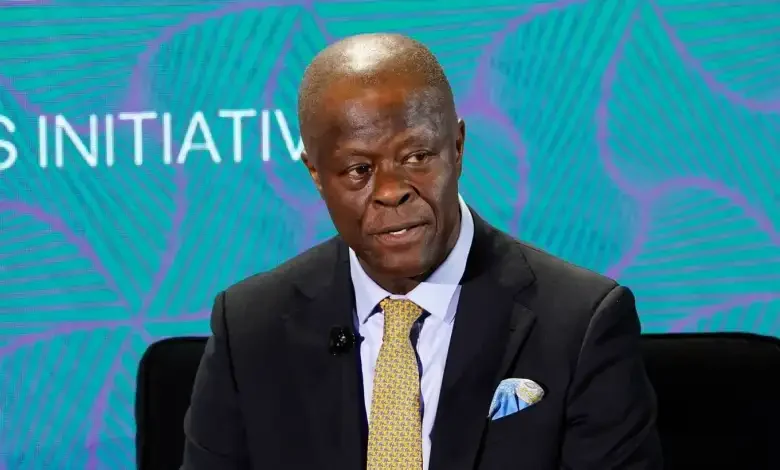
Minister Edun commended the CBN for its "excellent" progress in stabilising the economy.
The Minister of Finance and Coordinating Minister of the Economy, Wale Edun, has indicated that a cycle of interest rate cuts may be on the horizon if Nigeria's inflation continues its current downward trajectory. Speaking during an interview at the Abu Dhabi Sustainability Week, Edun noted that such a shift would significantly lower debt-servicing costs and provide much-needed fiscal breathing room for the federal government. The signal follows a period of aggressive monetary tightening by the Central Bank of Nigeria (CBN), which has successfully reined in the record-high inflation levels seen in late 2024.
Monetary Tightening and the Path to Easing
Minister Edun commended the CBN for its "excellent" progress in stabilizing the economy. Since 2022, the apex bank had more than doubled the Monetary Policy Rate (MPR) to combat soaring prices. However, following a sharp moderation in inflation, the CBN implemented a 50-basis-point cut in September 2025, bringing the rate to 27%.
According to Edun, the sustained decline in inflation creates a technical window for further reductions. Lower borrowing costs are viewed as a critical lever to improve the government’s fiscal balance by reducing the portion of revenue currently dedicated to servicing domestic and external debt.
Fiscal Implications and Budget 2026 Analysis
The potential for rate cuts arrives at a critical juncture for Nigeria’s public finances. An analysis of the proposed 2026 budget highlights a persistent strain on the national treasury:
Total Spending Plan: ₦58 trillion.
Debt Servicing Allocation: More than 25% of the total budget (estimated at ₦15 trillion) is earmarked for interest payments.
Projected Revenue: Approximately ₦34 trillion, constrained by volatile oil receipts.
Fiscal Deficit: Roughly ₦24 trillion, or 4.3% of GDP a wider margin than the previous fiscal year.
A reduction in interest rates would directly lower the cost of new debt issuances and the servicing requirements of existing floating-rate obligations, potentially narrowing the projected deficit.
Structural Reforms and Revenue Mobilisation
Beyond reliance on monetary easing, the administration is intensifying structural reforms to bolster the revenue base. The government has issued directives requiring all Ministries, Departments, and Agencies (MDAs) to migrate fully to automated payment platforms, effectively halting cash collections to reduce leakages and enhance transparency.
Furthermore, the federal government is targeting alternative funding sources to support the 2026 budget, including:
Privatisation Proceeds: Sale of state-owned assets to private investors.
NNPC Divestments: Strategic sale of stakes in the Nigerian National Petroleum Company.
Production Increases: Efforts to boost daily crude oil output to stabilize foreign exchange inflows.
Conclusion
Minister Edun’s remarks signal a transition from a crisis-oriented monetary stance to one focused on sustainable growth and fiscal consolidation. While the projected ₦24 trillion deficit remains a significant challenge, the convergence of cooling inflation and lower borrowing costs could provide the federal government with the necessary leverage to execute the 2026 budget more efficiently. As the CBN monitors macroeconomic data in the coming months, the focus for investors and policymakers will remain on the pace of disinflation and the government's ability to meet its revenue targets without further expanding its debt profile