Tinubu Confirms New Tax Laws Will Take Effect in 2026, Rejects Calls for Suspension
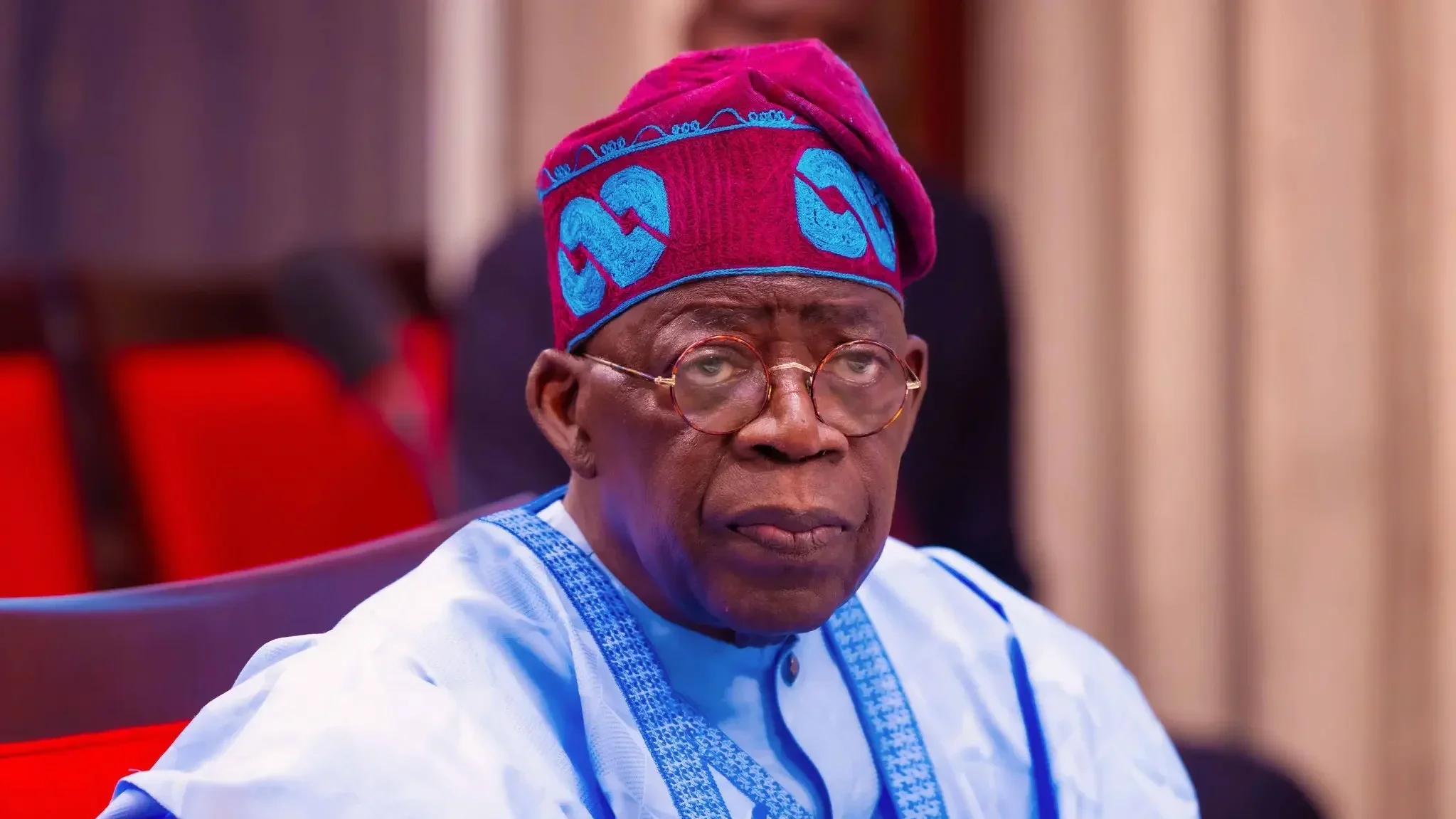
President Bola Ahmed Tinubu has reaffirmed that Nigeria’s newly enacted tax laws will proceed as scheduled, dismissing growing calls from opposition groups and professional bodies for their suspension.
The President made this position clear amid rising public debate over the tax reforms, insisting that the laws are critical to strengthening Nigeria’s fiscal framework and cannot be delayed without serious economic consequences.
According to Tinubu, the reforms represent a long-term structural reset of Nigeria’s tax system, designed to improve efficiency, fairness, and competitiveness rather than increase the tax burden on citizens and businesses.
Why the New Tax Laws Matter
The new tax framework consolidates and modernises Nigeria’s fragmented tax structure, replacing multiple outdated laws with a more unified and streamlined system. The government says this approach will reduce inefficiencies, improve compliance, and create a clearer environment for investors and businesses.
While parts of the reforms have already taken effect, the full implementation is scheduled for January 1, 2026. Tinubu has described the reforms as a necessary foundation for economic stability and sustainable growth, especially at a time when Nigeria is seeking to strengthen non-oil revenue sources.
Pushback and Calls for Suspension
Despite the government’s stance, several stakeholders have called for a pause in implementation, citing concerns over transparency and claims that the final versions of the laws differ from what was originally debated by lawmakers.
Labour groups, opposition parties, and some legal professionals have urged the Federal Government to suspend the rollout until these concerns are fully addressed. They argue that unresolved questions could create uncertainty for businesses and households adjusting to the new tax environment.
Tinubu, however, has rejected these appeals, stating that no substantive evidence has been presented to justify a delay. He urged critics to engage constructively during implementation rather than pushing for suspension.
Implications for Businesses and Households
For businesses, developers, and property investors, the tax reforms are expected to bring greater clarity to Nigeria’s tax regime, although some sectors remain cautious about short-term adjustment costs.
In the real estate sector, stakeholders are watching closely to understand how the new laws may affect property transactions, rental structures, development costs, and household finances once fully implemented.
The Federal Government maintains that delaying the reforms would undermine fiscal planning and weaken confidence in Nigeria’s reform agenda.
What Happens Next
With the January 2026 start date approaching, attention is expected to shift toward implementation guidelines, stakeholder engagement, and clarity on how the reforms will be applied across different sectors of the economy.
For now, the Presidency has made it clear that the tax laws will move forward as planned, signalling the administration’s determination to push through one of its most significant economic reforms.