
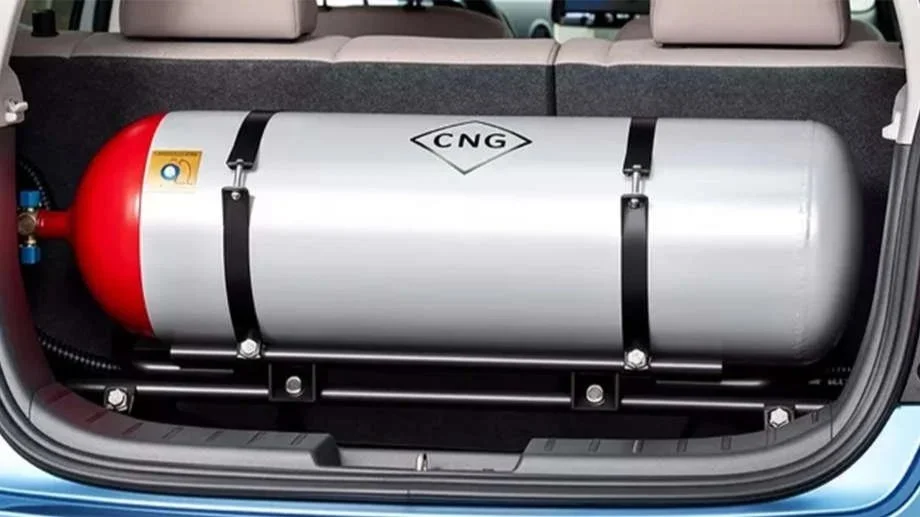
CNG Programme Scales Up as Tinubu Orders Nationwide Deployment
President Bola Ahmed Tinubu has directed the nationwide deployment of 100,000 compressed natural gas (CNG) vehicle conversion kits as part of efforts to reduce reliance on petrol and provide Nigerians with more affordable fuel alternatives.
The directive was issued to the Presidential Initiative on Compressed Natural Gas (PiCNG) following a meeting between the President and programme officials at the Presidential Villa in Abuja.
Government officials say the initiative is designed to cushion the impact of rising petrol prices and accelerate the transition to gas-powered transportation across the country.
Expanding Access to Cheaper Fuel Alternatives
The conversion kits will enable vehicle owners including private motorists, commercial transport operators and tricycle drivers to modify petrol engines so they can run on compressed natural gas.
According to the Executive Chairman of the PiCNG initiative, Ismael Ahmed, the President directed the immediate rollout of the kits to scale up access to gas as a transportation fuel.
The programme forms part of Nigeria’s broader strategy to promote natural gas as a cheaper and cleaner energy option for transportation.
Officials expect the rollout to increase the number of gas-powered vehicles on Nigerian roads and reduce dependence on petrol.
Infrastructure Expansion Underway
Authorities say infrastructure development is being accelerated to support the nationwide adoption of CNG vehicles.
Ahmed noted that approximately 77 CNG refuelling stations are currently at various stages of development across Nigeria to support the programme.
Some infrastructure projects are already operational, including Liquefied Compressed Natural Gas stations in Kano, while additional refuelling and “daughter stations” are under development.
The infrastructure rollout will also focus on key transport corridors connecting Lokoja, Abuja, Kaduna, Zaria, Kano and Maiduguri, creating regional fuel supply networks for gas-powered vehicles.
Background to the CNG Initiative
The Presidential CNG Initiative was launched in 2023 following the removal of petrol subsidies as part of Nigeria’s energy reform agenda.
At the time, the government positioned gas-powered mobility as a central element of its strategy to reduce fuel costs, promote domestic gas utilisation and lower emissions in the transport sector.
Nigeria possesses one of the largest natural gas reserves in Africa, making CNG a viable alternative to petrol for transportation.
Part of a Broader Energy Transition Strategy
Beyond vehicle conversions, the programme is also encouraging investment in electric mobility and local vehicle assembly.
Officials say the government is working with both local and international manufacturers to support the development of electric vehicles in Nigeria while expanding charging infrastructure in collaboration with the Rural Electrification Agency.
The combined approach is intended to diversify Nigeria’s transport energy mix and reduce exposure to volatility in global oil markets.
Outlook
The deployment of 100,000 CNG conversion kits represents one of the most ambitious steps in Nigeria’s effort to shift toward alternative transportation fuels.
If implemented successfully, the programme could lower transport costs for commuters, reduce petrol consumption and accelerate the country’s transition toward a more diversified and resilient energy system.
