
State House Achieves 99% Overhead Budget Performance for 2025 Fiscal Year
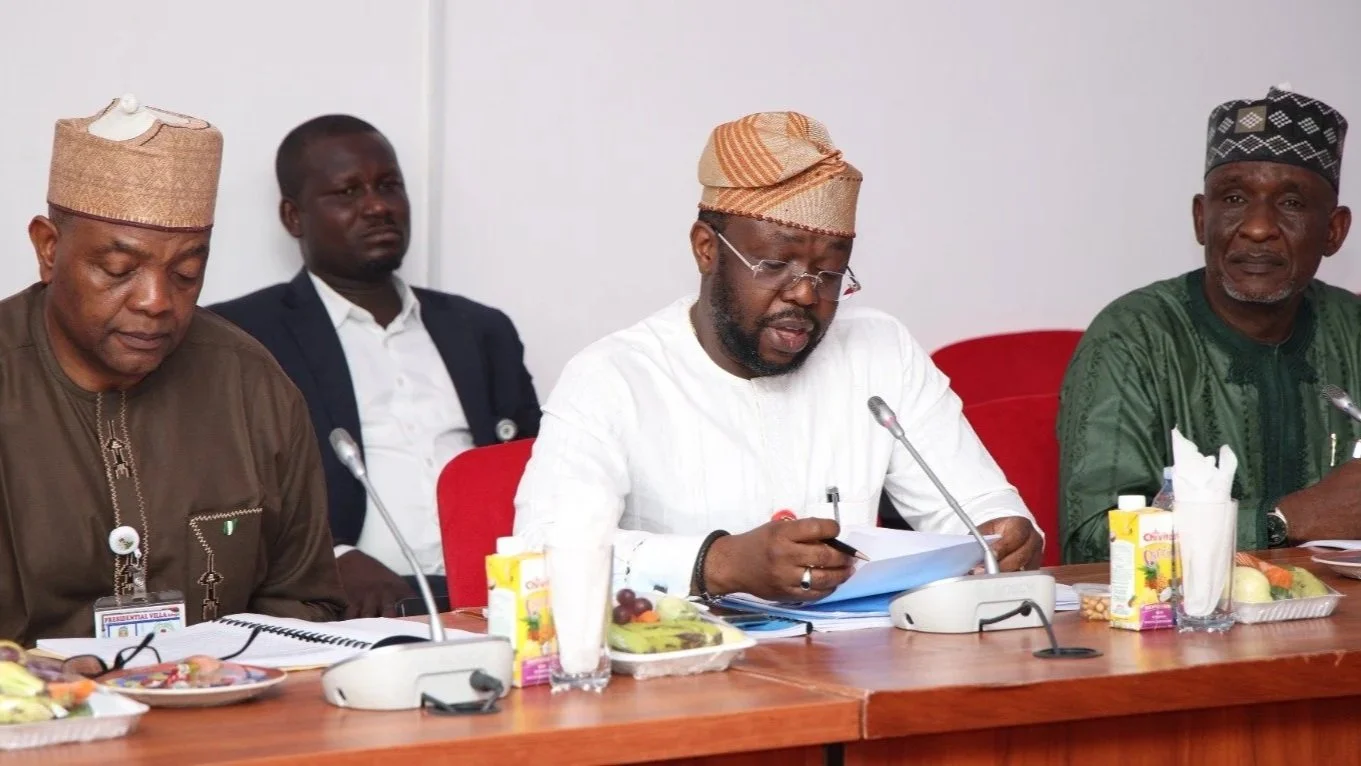
The State House has recorded a 99% performance in its overhead budget for the 2025 fiscal year, representing near-total execution of its operational allocations. This was disclosed by the Permanent Secretary of the State House, Engr. Olusesan Adebiyi, during a 2026 budget defense session before the National Assembly.
In his presentation to the lawmakers, Adebiyi noted that the high level of budget implementation reflects the State House's commitment to maintaining administrative efficiency and ensuring the seamless operation of the Presidency. The overhead component of the budget typically covers daily operational costs, including utilities, maintenance of the Presidential Villa, travels, and office supplies.
Detailed Breakdown of 2025 Fiscal Performance
According to the Permanent Secretary, the 99% utilization rate was achieved through a disciplined approach to fund management and procurement. Out of the total sum allocated for overheads in the 2025 Appropriation Act, almost the entirety was released and utilized for its intended purposes.
Adebiyi highlighted that the funds were instrumental in the upkeep of the State House infrastructure, supporting the activities of the President, Vice President, and their respective offices. He emphasized that the State House adhered strictly to the Federal Government’s financial regulations and transparency protocols throughout the implementation period.
Capital Expenditure and Infrastructure Upkeep
While the overhead performance reached near-maximum capacity, the Permanent Secretary also touched upon capital expenditure. He informed the committee that several ongoing projects within the State House ranging from security upgrades to the rehabilitation of administrative buildings witnessed significant progress during the 2025 fiscal year.
The State House management maintained that prioritizing the maintenance of national assets within the Villa is essential for representing Nigeria’s image to visiting heads of state and international dignitaries. The 2025 performance is viewed as a benchmark for the incoming 2026 fiscal cycle.
Legislative Oversight and 2026 Projections
The disclosure was made as part of the statutory oversight function of the National Assembly, where heads of Government Agencies and Ministries defend their previous year’s spending while justifying new requests for the upcoming year. Lawmakers raised questions regarding specific line items but generally acknowledged the high rate of fund utilization reported by the State House.
For the 2026 fiscal year, the State House is seeking continued support from the legislature to address rising inflationary costs that impact the procurement of goods and services. Adebiyi assured the committee that the State House would remain prudent, focusing on essential expenditures that align with the administration’s "Renewed Hope" agenda.
Forward-Looking Perspective
The 99% budget performance serves as a data point for analysts monitoring the efficiency of the Nigerian Presidency's internal operations. As the federal government continues to navigate fiscal constraints, the State House’s ability to execute its budget almost fully suggests a prioritized flow of liquidity toward the seat of power.
The final approval of the 2026 State House budget by the National Assembly will determine the scale of administrative and capital projects the Presidency can undertake in the next 12 months, particularly in an environment characterized by fluctuating currency values and rising operational overheads.
