
CBN Sued by SERAP for Failure to Account for ₦3 Trillion Public Funds
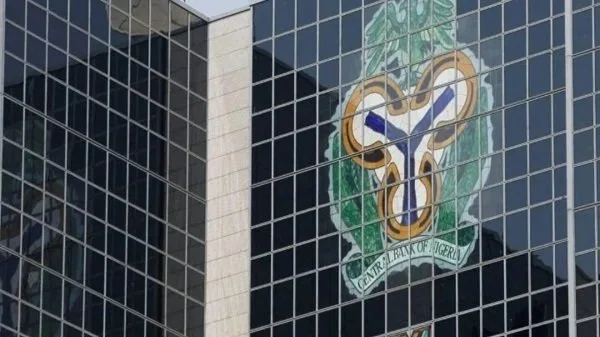
The Socio-Economic Rights and Accountability Project (SERAP) has filed a lawsuit against the Central Bank of Nigeria (CBN) following allegations involving the disappearance, diversion, or mismanagement of approximately ₦3 trillion in public funds. The legal action, lodged at the Federal High Court, seeks to compel the apex bank to provide a detailed account of the funds and ensure their recovery to the national treasury.
Judicial Intervention for Financial Accountability
The lawsuit follows a period of mounting pressure on the CBN to clarify discrepancies in public accounts. SERAP is seeking an order of mandamus to direct the CBN Governor, Olayemi Cardoso, to disclose the whereabouts of the ₦3 trillion and identify those responsible for any potential misappropriation.
According to the legal filing, the civil society organization argues that the failure of the CBN to account for these funds constitutes a breach of the Nigerian Constitution (1999 as amended), the Freedom of Information (FoI) Act, and international anti-corruption standards. SERAP contends that the transparency of the central bank is vital to maintaining the integrity of the nation's financial system and the trust of the investing public.
Grounds for the Legal Action
The crux of the litigation rests on the premise that public funds must be utilized for the public good. SERAP asserts that the alleged missing ₦3 trillion represents a significant portion of the national budget that could have been utilized to address Nigeria’s socio-economic challenges, including infrastructure deficits and poverty alleviation.
In its supporting affidavit, SERAP noted:
"The failure to account for the missing ₦3 trillion has significantly contributed to the country’s economic woes and has undermined the ability of the government to meet its constitutional obligations to the citizens."
The organization further argued that the CBN has a legal and moral duty to ensure that its operations are conducted with the highest level of transparency, particularly regarding the management of the country's foreign reserves and internal allocations.
Context of Financial Transparency in Nigeria
This lawsuit emerges at a time when Nigeria is undergoing rigorous fiscal reforms. The Central Bank of Nigeria has recently been under intense scrutiny regarding its past management of "Ways and Means" advances and its overall impact on inflation and currency stability.
While the CBN has yet to issue an official response to the specific allegations in this suit, the legal proceedings are expected to test the limits of the Freedom of Information Act as it applies to the nation’s highest financial regulator. For professionals and policymakers, the outcome of this case could set a precedent for how public institutions are held accountable for financial discrepancies.
Forward-Looking Implications
The Nigerian judiciary’s handling of this suit will be closely monitored by both local and international observers. If the court grants the prayers sought by SERAP, it could lead to a comprehensive audit of the CBN’s historical books, potentially exposing deep-seated systemic flaws or exonerating the institution through verified data.
From an investment perspective, the demand for transparency is seen as a positive step toward reducing sovereign risk. However, the allegation of such a significant sum being unaccounted for underscores the urgent need for institutional reforms to ensure that the CBN operates within a framework of strict accountability and oversight. The case is expected to be mentioned in the coming weeks as the court serves the necessary processes on the respondents.
