
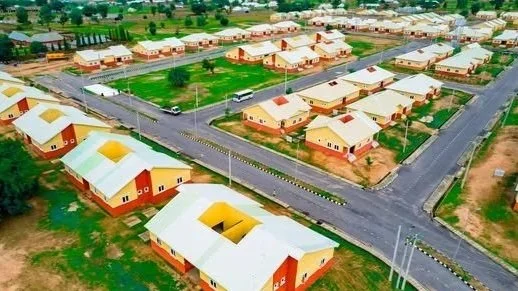
Housing Shortage Drives Rent Increases in Jalingo
Residents of Jalingo, the capital of Taraba State, are raising concerns over the steady increase in house rents, as accommodation costs continue to climb across the city.
Tenants say the rising cost of housing has placed significant pressure on household finances, with many residents now spending a large portion of their income on rent. The trend reflects a growing imbalance between housing supply and demand in the state capital.
Recent findings indicate that a one-bedroom apartment in Jalingo now rents for between ₦150,000 and ₦200,000 per year, while a two-bedroom flat can cost between ₦300,000 and ₦500,000 annually, depending on the location and condition of the property.
Housing Shortage Drives Demand
Industry observers attribute the rising rental prices to a widening housing shortage in Jalingo. Population growth and increased migration into the city have intensified demand for residential accommodation.
As more civil servants, traders, and students relocate to the city, the existing housing stock has struggled to keep pace with the expanding population.
Analysts say the situation reflects broader trends in Nigeria’s housing market, where limited housing supply often leads to higher rents, particularly in urban centres experiencing population growth.
Economic Pressure on Tenants
For many residents, the rising cost of rent has become a major financial challenge.
Some civil servants and workers posted to Jalingo report that housing costs now exceed what they previously paid in other cities. In some cases, workers say they have had to leave family members in other states due to the high cost of accommodation in the city.
Traders and small business owners have also reported difficulties balancing rental payments with other living expenses, especially amid broader economic pressures affecting households across Nigeria.
Additional Charges Increase Housing Costs
Beyond the rent itself, tenants also face multiple additional charges when securing accommodation. These can include inspection fees, agent fees, and agreement fees, which collectively increase the cost of renting a property.
Some residents have criticised the activities of informal or unregistered property agents who allegedly impose excessive charges on tenants.
Real estate professionals note that regulated agency fees are typically expected to range between two and ten percent of the annual rent, depending on negotiations and service arrangements.
Impact on Students and Low-Income Households
Students are among the groups most affected by the rising rent in Jalingo. Accommodation near educational institutions has become increasingly expensive, forcing many students to share rooms or seek housing in distant neighbourhoods.
Housing advocates warn that the growing cost of accommodation could affect access to education if students struggle to secure affordable housing near their campuses.
Low-income households and young families are also facing growing housing insecurity as rental costs continue to rise.
Calls for Government Intervention
Residents and community advocates are calling on the Taraba State Government to intervene in the rental market by regulating agent fees and encouraging the development of affordable housing.
Some analysts suggest that government-led housing projects and public-private partnerships could help expand housing supply and reduce pressure on the private rental market.
Others recommend improved land administration and incentives for private developers to invest in residential housing projects within the city.
Outlook
The rising cost of accommodation in Jalingo highlights broader structural challenges in Nigeria’s housing sector, where rapid urbanisation continues to outpace the supply of affordable homes.
Without significant expansion in housing development, experts warn that rental prices may continue to rise, placing additional strain on households and widening affordability challenges for residents across the city.
