Infrastructure Gap: Residents Cry Out Over Failing Lagos Community Road
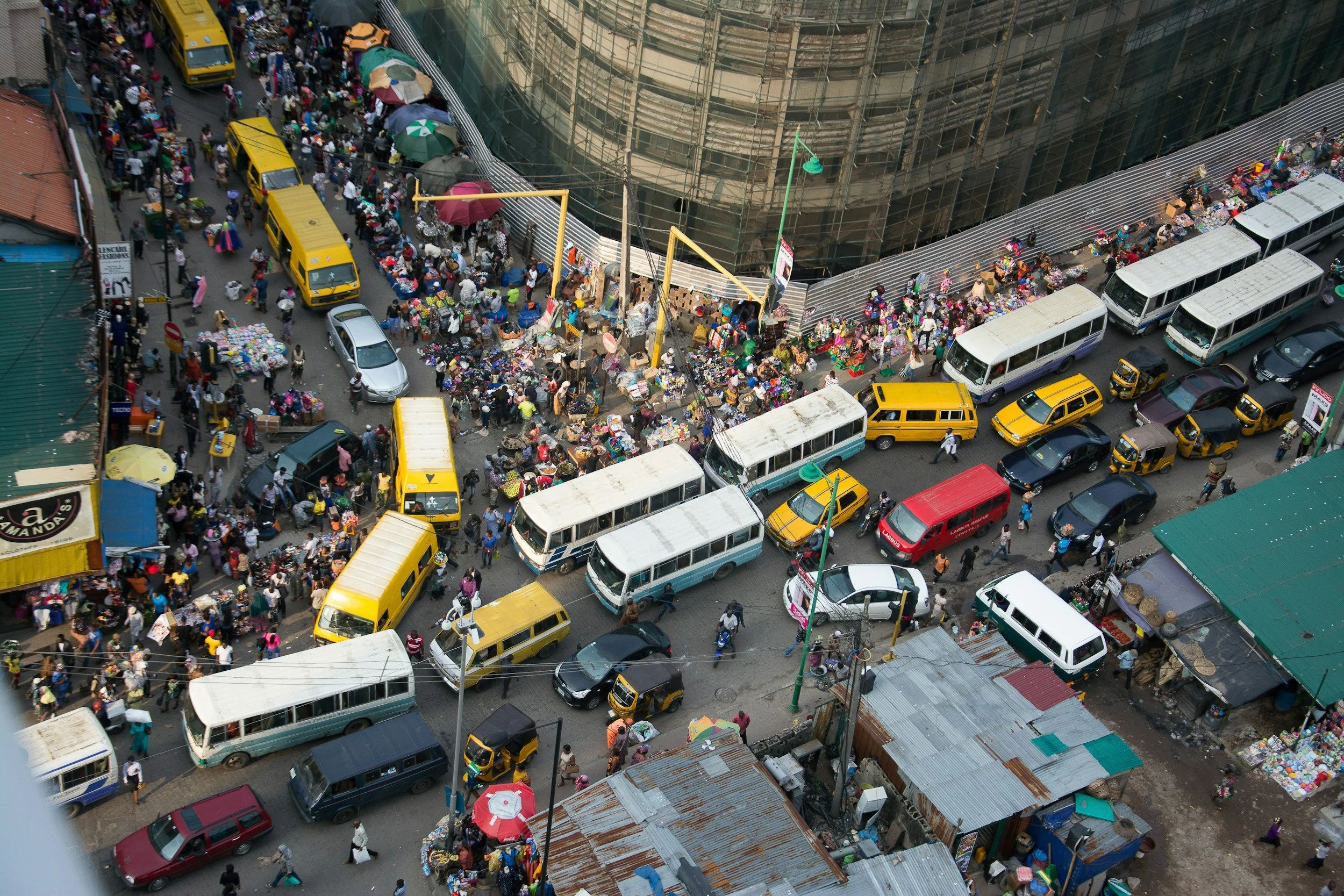
While the Lagos State Government intensifies its "Urban Renewal" drive in the central business districts, residents of several suburban communities are raising an alarm over the deplorable state of their local road networks. The deteriorating conditions have not only crippled local businesses but have also become a significant safety hazard for school children and commuters.
The failing state of these community roads has led to a complete breakdown of socioeconomic activities in the affected areas. Residents describe a situation where a lack of drainage systems and poor maintenance have turned vital access routes into "death traps" and mud pits, especially following the recent January rains.
/ You Might Also Like /




The Human Cost of Infrastructure Neglect
Community leaders and residents who spoke to journalists expressed frustration over years of perceived neglect. Many highlighted that despite consistent tax compliance and several "promises of intervention" during previous election cycles, the roads remain abandoned.
Impact on Small Businesses: Local shop owners report a 50% drop in patronage as customers avoid the treacherous terrain.
Emergency Services Bottleneck: Residents shared harrowing stories of ambulances and fire trucks being unable to navigate the gullies and craters during emergencies.
Property Value Stagnation: Unlike areas benefiting from the state’s high-profile waterfront and highway projects, property values in these neglected corridors have plummeted as many residents are forced to relocate.
Urban Renewal vs. Community Reality
The outcry comes at a time when the Lagos State Ministry of Waterfront Infrastructure Development and the Ministry of Works are focused on global-standard projects like the Lagos-Calabar Coastal Highway.
However, urban planning experts warn that a "top-heavy" infrastructure approach—where highways are built but community "feeder" roads are ignored—will lead to increased congestion and uneven economic development. There is a growing demand for the Public Works Corporation (LSPWC) to decentralize its operations and prioritize inner-city rehabilitation.
The Housing & Real Estate Perspective
From a real estate standpoint, the state of community roads is the #1 factor in "Tenant Retention" for 2026.
The "Accessibility Premium": In the 2026 Lagos rental market, properties located just 500 meters away on a paved road command 40% higher rents than those on failing community roads.
Increased Maintenance Costs: Landlords in these areas are reporting higher building maintenance costs due to dust pollution and water damage caused by poor drainage on the streets.
A Call for Community-Based Development: Some residents are now proposing a "matching fund" model, where communities contribute a portion of the repair costs, and the state government provides the heavy machinery and technical expertise.