
Omi Eko Project: Lagos to Introduce Electric Boats for Sustainable Water Transport
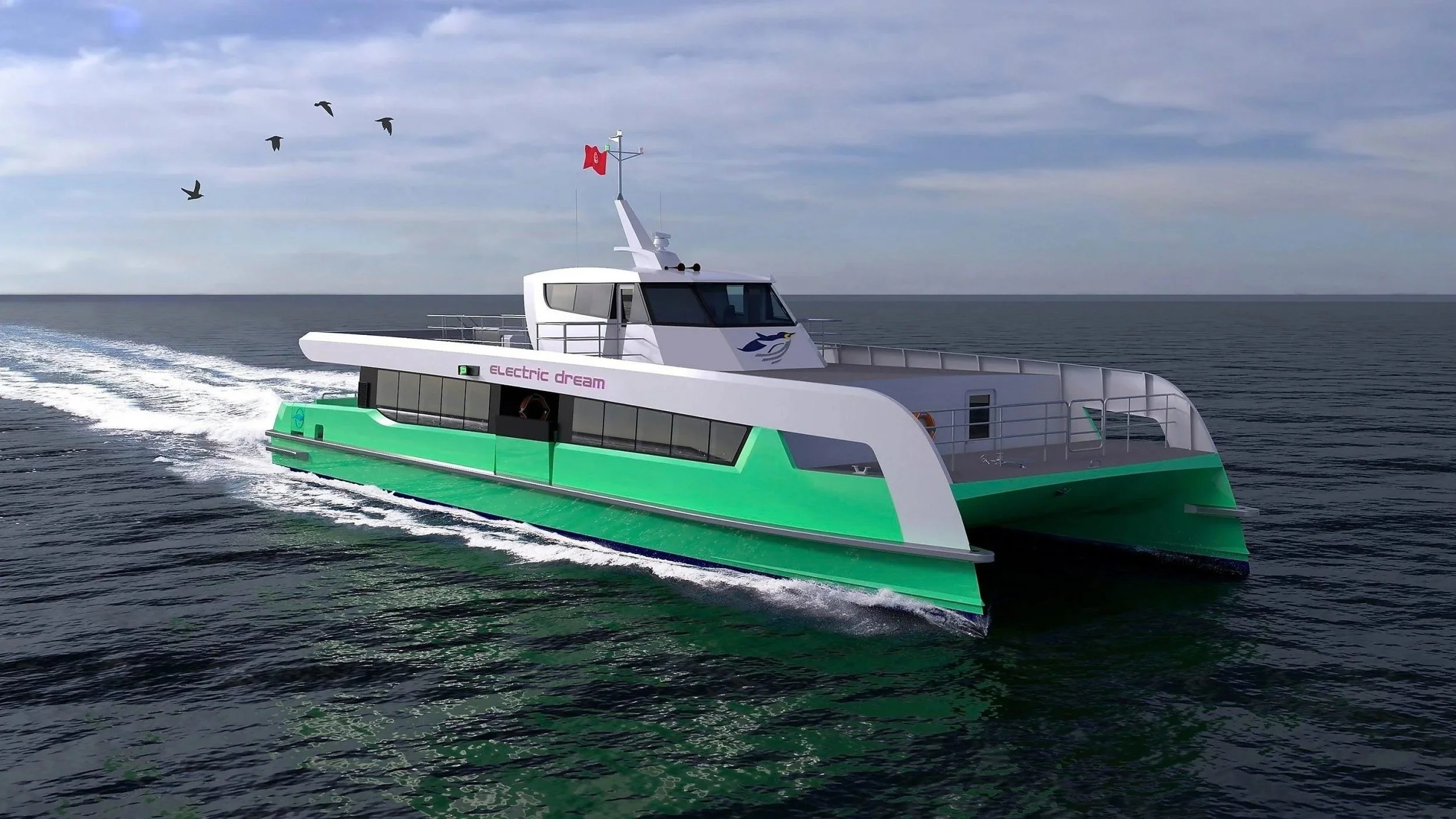
The Lagos State Government, through the Lagos State Ferry Services (LAGFERRY), has announced plans to integrate electric-powered boats into its fleet during the 2026 fiscal year. This initiative, designed to modernise the state’s inland waterways, aims to significantly reduce operational overheads and lower ferry fares for daily commuters. The move aligns with the broader Omi Eko Electric Ferry Initiative, a strategic partnership involving international development partners to transition the city towards a sustainable, low-carbon transport model.
Speaking at the third annual "Ignite Lagos" event on 11 January 2026, the Managing Director of LAGFERRY, Abdoulbaq Ladi Balogun, confirmed that the transition to electric propulsion is a priority for the administration. He noted that the lower maintenance and fuel costs associated with electric vessels would allow the agency to pass on savings to passengers, making water transport a more competitive alternative to road travel.
The Omi Eko Project and Infrastructure Expansion
The deployment of electric boats is a core component of the Omi Eko Project, which is supported by a €360 million subsidised loan from the European Union's Global Gateway Initiative, in collaboration with the French Development Agency (AFD) and the European Investment Bank (EIB). The comprehensive project framework includes:
Fleet Acquisition: The procurement and deployment of approximately 70 to 78 hybrid-electric ferries.
Route Development: The dredging and channelisation of 15 priority ferry routes, covering a total of 140 kilometres.
Terminal Upgrades: The modernisation of 25 ferry terminals and jetties, which will be equipped with dedicated electric charging stations and maintenance depots.
According to the Lagos State Waterways Authority (LASWA), these high-capacity vessels—some capable of carrying up to 440 passengers are expected to drastically reduce greenhouse gas emissions while easing the perennial traffic congestion on Lagos roads.
Economic Impact and Operational Efficiency
The shift to electric vessels addresses a critical challenge in the maritime sector: the rising cost of traditional hydrocarbon fuels. By leveraging electric propulsion, LAGFERRY expects to stabilise fare prices against the volatility of global oil markets. Mr Balogun highlighted that "Watermania lifestyle" is gaining traction, with a geometric rise in passenger traffic since 2019.
The state's investment in indigenous capacity is also evident. Caverton Marine Limited, a subsidiary of Caverton Offshore Support Group, recently completed sea trials for a 32-seater electric passenger ferry prototype built locally. This prototype reached top speeds of 30 knots, demonstrating the technical viability of electric power for the region's specific aquatic conditions.
Safety and Regulatory Standards
Alongside the introduction of new technology, the Federal Ministry of Marine and Blue Economy has reinforced the need for heightened safety standards. Minister Adegboyega Oyetola recently urged state governments to phase out wooden boats in favour of more durable fibre-reinforced plastic and aluminium vessels. Lagos State is complying with these directives by integrating modern safety innovations, including digital ticketing systems and intelligent terminals, into the new electric fleet.
The installation of concrete floating pontoons at strategic jetties, such as those in Ikorodu, Badagry, and Mile 2, is also underway. These structures provide stable docking platforms, aimed at increasing passenger confidence and safety during boarding.
Conclusion
The introduction of electric boats in 2026 represents a pivotal step in Lagos State’s THEMES+ developmental agenda. By combining clean energy with infrastructure expansion, the government is positioned to provide a more affordable and efficient transport alternative for its growing population. As the Omi Eko Project nears full implementation, the focus will remain on the seamless integration of these vessels into the existing intermodal transport network to ensure long-term economic and environmental benefits.
