
Ogun State Achieves 5,000 Housing Milestone, Sets 10,000 Unit Target for 2027
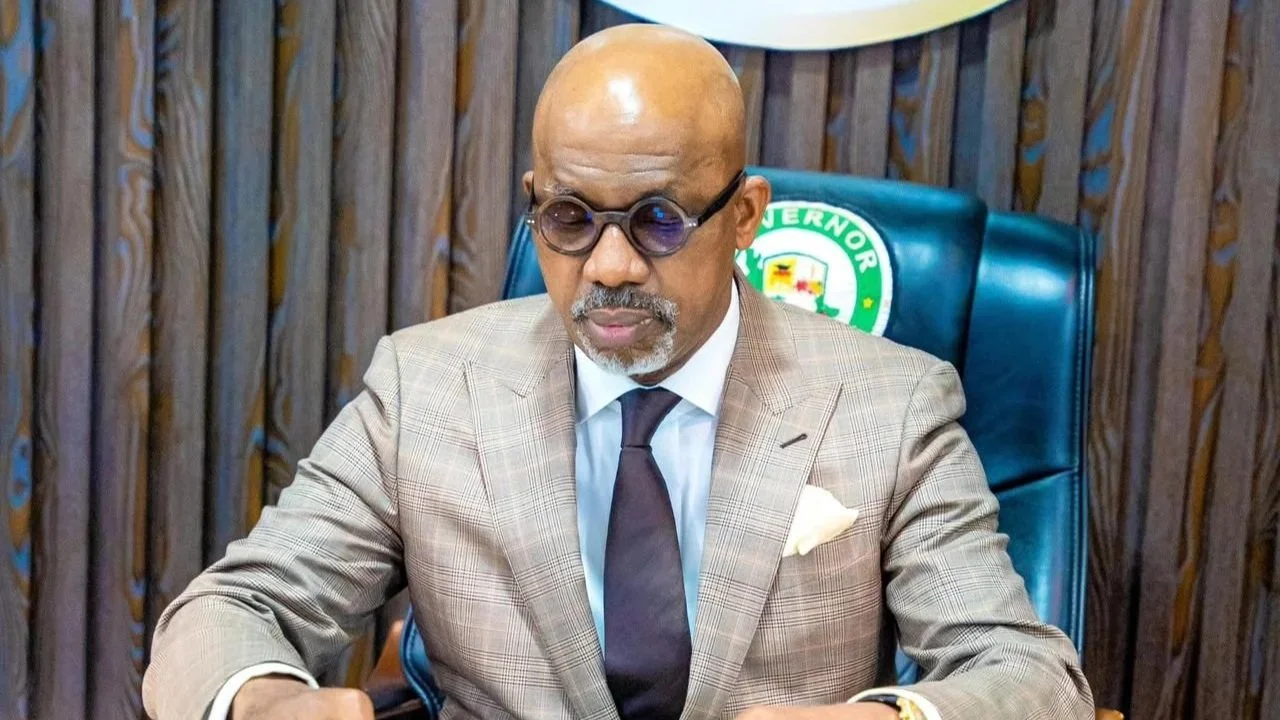
Ogun State Governor, Dapo Abiodun
The Ogun State Government has announced the successful delivery of 5,000 housing units across the state, marking a significant midpoint in its urban development strategy. Governor Dapo Abiodun confirmed the figures during a recent progress briefing, asserting that the administration is now scaling its efforts to reach a cumulative goal of 10,000 affordable homes by the year 2027. This initiative aims to bridge the housing deficit in the state while stimulating local economic growth through construction and infrastructure development.
Strategic Expansion of Affordable Housing
Governor Abiodun’s administration has prioritised the "Rent-to-Own" and outright purchase schemes to cater to various socio economic brackets. The 5,000 units already completed are distributed across strategic hubs, including Abeokuta, Sagamu, Iperu, and the Mowe-Ibafo axis, which serves as a critical residential corridor for professionals working in both Ogun and Lagos states.
According to the Ogun State Ministry of Housing, the projects focus on inclusivity, ensuring that civil servants and low-income earners have access to mortgage facilities with single-digit interest rates. The Governor emphasized that the housing policy is not merely about providing shelter but is a deliberate economic tool to create jobs for local artisans, engineers, and building material suppliers.
Path to 10,000 Units by 2027
To achieve the newly set target of an additional 5,000 units over the next three years, the state government is leveraging Public-Private Partnerships (PPPs). This collaborative approach invites private developers to bring technical expertise and capital, while the state provides land and creates an enabling environment through the provision of primary infrastructure such as roads, electrification, and water supply.
Analysts suggest that the expansion into the Mowe and Ibafo areas is particularly strategic. By increasing housing supply along the Lagos-Ibadan Expressway, Ogun State is positioning itself to absorb the overflow of the Lagos population, thereby increasing its internally generated revenue (IGR) through property taxes and related economic activities.
Infrastructure Integration and Urban Renewal
A key component of the Ogun State housing mandate is the integration of modern infrastructure. Unlike isolated construction projects, these housing estates are designed as "smart cities" with integrated security systems and proximity to industrial zones. This ensures that residential growth aligns with the state's industrialisation agenda.
Governor Abiodun noted that the state is also simplifying the process of obtaining Certificates of Occupancy (C of O) through the Ogun State Land Administration and Revenue Management System (OLARMS). This digitisation is expected to increase investor confidence and expedite the delivery of the remaining 5,000 units.
As Ogun State progresses toward its 2027 target, the focus remains on sustainability and affordability. The success of this 10,000-unit goal will likely serve as a blueprint for other Nigerian states struggling with urbanisation pressures. For investors and policymakers, the Ogun model demonstrates that proactive land management and targeted private-sector engagement can effectively mitigate the national housing deficit.
