
Nigeria’s ₦2.5 Trillion Mall Economy Faces Major Shock as Shoprite Completes Nationwide Shutdown
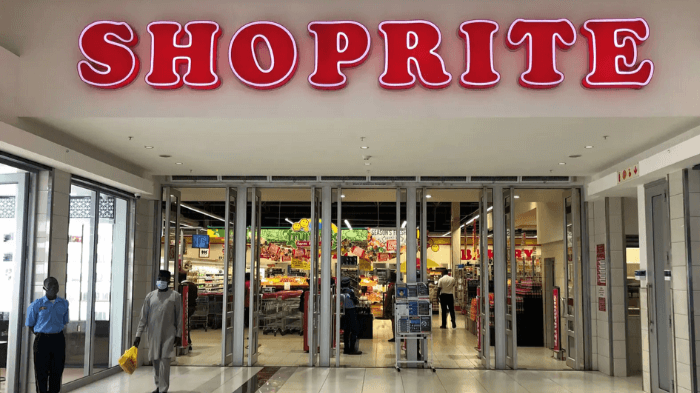
Shoprite Closure Sends Ripples Through Nigeria’s ₦2.5tn Mall Economy
Nigeria’s organised retail sector has suffered a major disruption following the final shutdown of Shoprite stores across the country, a development that analysts say could significantly impact the nation’s estimated ₦2.5 trillion mall economy. The closure of the supermarket chain, which operated in Nigeria for two decades, is affecting workers, suppliers, and businesses that depended on the brand as a key anchor tenant within major shopping malls.
The Collapse of a Retail Anchor
For nearly twenty years, Shoprite served as one of the most recognisable supermarket brands in Nigeria’s organised retail landscape. Since entering the market in 2005, the chain expanded rapidly, operating approximately twenty-five outlets across thirteen states.
However, the company’s Nigerian franchise gradually weakened amid rising economic pressures. According to reporting by Vanguard, analysts estimate that as much as ₦1.4 trillion in associated economic activity could be affected following the shutdown, highlighting the scale of the retail ecosystem tied to the chain’s operations.
Shoprite outlets historically functioned as anchor tenants within large shopping malls, generating consistent customer traffic that benefited neighbouring businesses such as boutiques, restaurants, cinemas, pharmacies, and electronics retailers.
With these anchor stores now closed, mall operators and smaller retailers are facing declining foot traffic and revenue.
Economic Pressures Behind the Shutdown
Several macroeconomic factors contributed to the decline of Shoprite’s Nigerian operations.
Industry observers point to persistent foreign exchange shortages, rising import costs, inflationary pressures, and supply chain disruptions as key challenges. The post-pandemic economic environment further intensified these pressures.
Retail Supermarkets Nigeria Limited (RSNL), the franchise operator, reportedly struggled with inventory shortages, which led to sparsely stocked shelves in multiple outlets before their eventual closure.
Shoppers began noticing declining product availability as early as 2024, when stores across several cities reported difficulty maintaining consistent stock levels.
Ownership Transition and Operational Challenges
The current shutdown represents the culmination of a broader restructuring that began several years earlier.
In 2021, Shoprite Holdings of South Africa exited direct ownership of the Nigerian business, selling its stake to Ketron Investment Limited, a consortium led by Persianas Investment Limited. The transaction was intended to localise operations while maintaining the brand through a franchise arrangement.
Initially, the transition appeared to stabilise the business. Retail activity briefly recovered, particularly during festive shopping seasons when consumer demand increased.
However, the recovery proved short-lived as structural economic challenges persisted.
Ripple Effects Across Mall Ecosystems
The shutdown is already producing significant ripple effects across Nigeria’s shopping malls.
Retailers operating within affected malls report steep declines in customer traffic and sales. Businesses that previously relied on spill-over patronage from supermarket shoppers are experiencing reduced turnover and, in some cases, workforce downsizing.
Mall tenants in several cities have indicated that weekly sales volumes have dropped sharply since the closure of the supermarket outlets. Some retailers now rely heavily on online marketing and external customer traffic to sustain operations.
Mall operators are also under pressure to secure replacement tenants capable of restoring footfall and stabilising commercial activity.
Impact on Employment and Supply Chains
The closure has also disrupted employment and supply chains linked to the supermarket network.
Shoprite served as a major buyer of locally produced food items, beverages, and household goods. Its exit therefore affects not only direct employees but also suppliers, distributors, logistics providers, and small producers who relied on the chain for large-volume orders.
Former staff members have reported sudden job losses and the need to transition to alternative income sources.
Local suppliers also face declining demand as they search for new retail partners to absorb previously contracted volumes.
Possible Retail Reset
Despite the shutdown, company representatives maintain that the move should not necessarily be interpreted as a permanent exit from the Nigerian market.
RSNL has described the process as part of a “comprehensive business model reset” designed to adapt operations to current economic realities.
The company indicated that new store formats and operational adjustments may be introduced in the future. However, the timeline for any potential reopening or large-scale retail return remains uncertain.
In the interim, some malls have begun negotiations with other supermarket brands to occupy former Shoprite locations.
What the Shutdown Means for Nigeria’s Retail Market
The closure underscores the structural vulnerabilities within Nigeria’s organised retail sector.
Shopping malls in emerging markets rely heavily on anchor tenants to sustain consumer traffic. When such tenants exit, the effects extend beyond individual stores, influencing entire commercial ecosystems including employment, supplier networks, and property revenues.
For investors and policymakers, the situation highlights the importance of addressing structural challenges in Nigeria’s retail environment, including currency volatility, import dependence, and infrastructure constraints.
Outlook
The shutdown of Shoprite stores marks a significant turning point for Nigeria’s organised retail sector. While new supermarket operators may eventually replace the vacant spaces, rebuilding consumer traffic and supplier networks will take time.
The episode also reinforces a broader trend: Nigeria’s retail landscape is entering a period of restructuring, where operational resilience, local supply integration, and adaptive business models will determine which brands can thrive in Africa’s largest consumer marke
