
Nigerian Stocks Flash Overbought Signals as Bullish Momentum Persists
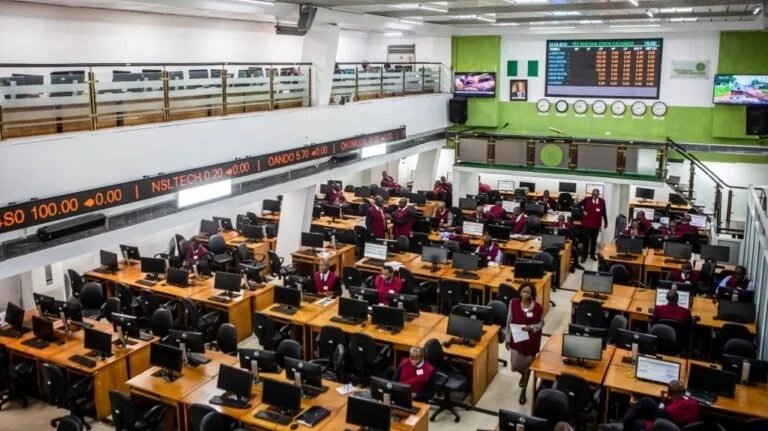
Strong NGX Rally Raises Overbought Concerns Amid Sustained Demand
Nigeria’s stock market continues its strong upward trajectory despite flashing technical signals that suggest overbought conditions. The rally, which pushed the Nigerian Exchange’s benchmark index above 200,000 points, reflects sustained investor demand and bullish sentiment, even as analysts caution about potential short-term corrections.
Market Momentum Remains Strong
The Nigerian equities market has maintained robust momentum, with the All-Share Index (ASI) reaching record highs and delivering a year-to-date return of 29.47%. Month-to-date gains stand at 4.48%, underscoring the strength of the ongoing rally.
Market capitalisation has also expanded significantly to approximately ₦129.33trn, driven largely by gains in large-cap stocks.
According to Nairametrics, the sustained upward movement reflects strong domestic participation, improving corporate fundamentals, and ongoing reforms aimed at deepening Nigeria’s capital markets.
Technical Indicators Signal Overbought Conditions
Despite the bullish trend, key technical indicators point to stretched valuations. The Relative Strength Index (RSI), a widely used momentum indicator, is currently between 72 and 75 well above the 70 threshold typically associated with overbought conditions.
This suggests that the market may be due for a pause, consolidation, or mild correction. Analysts note that such conditions often precede “mean reversion,” where prices adjust closer to long-term averages.
However, technical analysis also indicates that the broader uptrend remains intact. The 50-day moving average continues to provide strong support around the 182,000 level, reinforcing the resilience of the current rally.
Institutional Participation Driving the Rally
One of the defining features of the current market cycle is strong institutional involvement. Trading volume has increased by approximately 15% during the breakout above 200,000 points, signalling that the rally is not solely driven by retail investors.
High-volume breakouts typically indicate sustained market conviction, reducing the likelihood of a sharp reversal in the near term. At the same time, increased volatility reflected in wider daily price swings suggests heightened market activity and risk.
Fundamental Drivers Support Bullish Sentiment
Beyond technical factors, strong fundamentals continue to underpin the rally. Key drivers include:
Corporate earnings strength: Major listed companies such as BUA Cement, Seplat Energy, and MTN Nigeria have reported strong financial performance, supporting price appreciation.
Macroeconomic tailwinds: Rising global oil prices, now above $100 per barrel, have improved Nigeria’s external outlook.
Economic reforms: Ongoing policy adjustments are enhancing investor confidence and encouraging capital inflows.
Sectoral momentum: Banking and industrial goods sectors continue to lead gains, with potential for further upside if current trends persist.
These factors collectively reinforce a positive medium-term outlook for the market.
Regulatory Developments and Market Liquidity
Regulators are also taking steps to strengthen market structure and liquidity. The Nigerian Exchange, in collaboration with the Securities and Exchange Commission, is reviewing free-float requirements to ensure sufficient shares are available for trading.
Current rules require large companies to maintain at least 20% public shareholding or ₦40bn in tradable shares. Enhancing these requirements could improve liquidity, reduce price volatility, and attract more institutional investors.
Outlook: Bullish but Cautious
While the overall outlook remains positive, analysts advise caution in the short term. The market’s overbought status increases the likelihood of profit-taking, which could trigger temporary pullbacks or sideways movement.
A potential dip below the 195,000 level could present buying opportunities rather than signal a broader market reversal, provided underlying fundamentals remain strong.
Nigeria’s stock market is exhibiting a classic late-stage rally dynamic: strong fundamentals and investor confidence are driving prices higher, even as technical indicators signal overbought conditions.
The persistence of bullish momentum suggests that the rally may continue in the near term. However, investors should prepare for increased volatility and potential corrections as the market adjusts to elevated valuations.
