
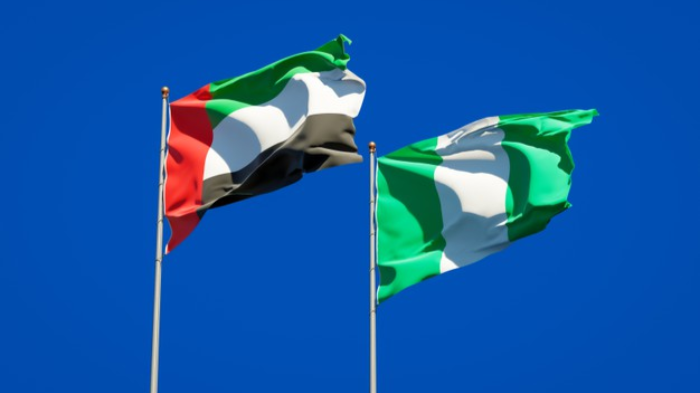
Nigeria and the United Arab Emirates (UAE) have reached a landmark agreement to waive tariffs on specific products
In a significant move to deepen economic cooperation, the Federal Government of Nigeria and the United Arab Emirates (UAE) have reached an agreement to waive tariffs on a selected range of products. The initiative is designed to reduce the cost of doing business, enhance market access for exporters, and solidify the strategic partnership between the two nations.
Framework for Economic Cooperation
According to official communications regarding the diplomatic engagement, the tariff waiver agreement follows extensive bilateral negotiations aimed at addressing trade imbalances and fostering mutual growth. The arrangement focuses on eliminating or significantly reducing customs duties on specific commodities, particularly those within the agricultural, manufacturing, and technological sectors.
This policy shift is expected to provide a competitive advantage to Nigerian exporters seeking entry into the Middle Eastern markets while simultaneously lowering the landing costs of essential UAE manufactured goods and raw materials required for Nigeria’s industrial sector.
Strategic Impact on Non-Oil Exports
A central objective of this agreement is the promotion of Nigeria’s non-oil export agenda. By removing fiscal barriers, the Nigerian government aims to incentivise the production and exportation of value-added goods. For the UAE, the waiver facilitates its "Operation 300bn" strategy, which seeks to position the Emirates as a global industrial hub by expanding its export reach into Africa’s largest economy.
Industry analysts suggest that the reduction in tariffs will lead to increased volumes in the trade of food items, textiles, and machinery. Data from the National Bureau of Statistics (NBS) indicates that trade between both nations has seen steady growth over the last decade; however, the new tariff regime is projected to accelerate this trajectory by removing the friction of high import levies.
Regulatory Alignment and Implementation
The implementation of the waivers will require close coordination between the Nigeria Customs Service (NCS) and the UAE’s Federal Authority for Identity, Citizenship, Customs and Port Security. Both nations are expected to establish a joint monitoring committee to ensure compliance with the Rules of Origin (RoO) protocols, preventing third party nations from exploiting the preferential trade terms.
According to government officials, the selection of products eligible for the waiver was guided by the need to protect local industries while ensuring that the Nigerian consumer benefits from lower prices on goods that cannot be produced sufficiently at home.
The Nigeria-UAE tariff waiver marks a pivotal step in Nigeria’s broader strategy to integrate more deeply into the global value chain through bilateral and multilateral agreements. As both nations move toward the formal signing of a Comprehensive Economic Partnership Agreement (CEPA), this initial waiver serves as a foundation for more robust financial and technical collaborations.
For policymakers and investors, this development signals a cooling of previous diplomatic tensions and a renewed focus on economic pragmatism. In the coming months, the focus will shift to how effectively the private sector can leverage these reduced barriers to drive volume and enhance the foreign exchange earnings of the respective countries.
