
Nigeria Suffers up to ₦5 Trillion in Post-Harvest Losses in 2025 – OTACCWA
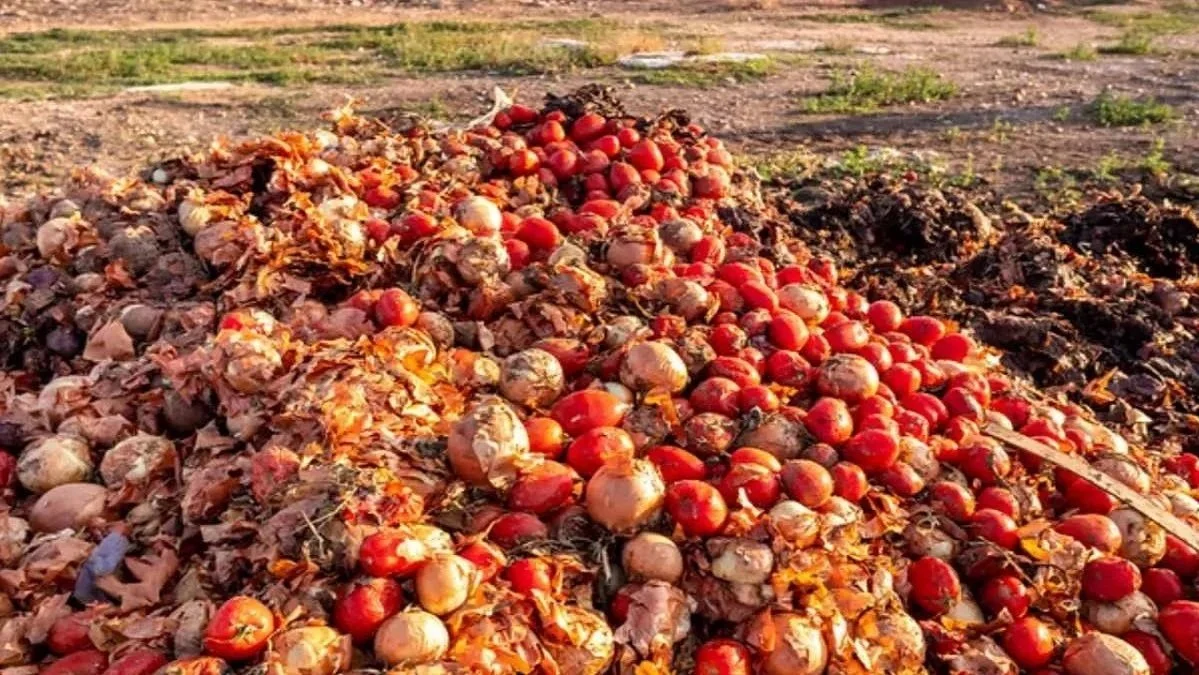
Weak Cold Chain Infrastructure Drives Post-Harvest Losses in Nigeria
Nigeria incurred economic losses estimated between ₦3.5 trillion and ₦5 trillion in post-harvest losses across key agricultural value chains in 2025, the Organisation for Technology Advancement of Cold Chain in West Africa (OTACCWA) has disclosed. This substantial loss, attributed primarily to weak cold chain infrastructure and logistics inefficiencies, highlights systemic challenges in the nation’s agricultural value chain.
Post-Harvest Losses: Scale and Drivers
Magnitude of Losses
OTACCWA President Mr Alexander Isong revealed that Nigeria’s agricultural sector lost an estimated 30 million to 40 million metric tonnes of food products during 2025. These losses occurred after produce had been harvested, transported, and in many cases partially prepared for market entry. In monetary terms, the cumulative impact translates to roughly ₦3.5 trillion to ₦5 trillion in wasted economic output.
The commodities most affected included tomatoes, vegetables, fruits, dairy, meat, fish, and root crops all essential for both household nutrition and broader food security.
Underlying Causes
According to the OTACCWA leadership, inadequate cold chain infrastructure, deficient refrigerated transport systems, poor logistics coordination, and insufficient aggregate storage capacity underpin the losses. When perishable produce is not preserved under controlled temperature conditions, spoilage accelerates rapidly, reducing both supply and the value delivered to markets.
Mr Isong emphasised that these losses do not stem from production shortfalls but from post-harvest inefficiencies meaning farmers had already made substantial investments in land preparation, seedlings, fertilisers, labour, irrigation, and transport before the goods spoiled.
Economic and Food Security Implications
Impact on GDP and Farmer Incomes
Post-harvest loss represents a double-edged economic blow: it erodes value that has already been created through production and diminishes potential contributions to GDP. As Mr Isong stated, when harvested produce spoils due to systemic infrastructure gaps, the country effectively loses national output that has already been generated.
Losses of this magnitude have direct implications for farm incomes, household livelihoods, and rural economic stability. Many smallholder farmers lack access to affordable storage and transportation solutions, placing them at heightened risk of distressed sales or complete loss of revenue.
Broader Food Security Concerns
The post-harvest loss estimates align with broader warnings from international agencies about Nigeria’s food security outlook. For example, projections from global bodies suggest that tens of millions of Nigerians could face severe food insecurity during lean seasons unless structural inefficiencies are addressed.
Persistent losses exacerbate supply volatility in domestic markets, contribute to price instability, and erode consumer purchasing power – all of which can escalate food inflation and deepen welfare challenges among vulnerable populations.
Policy and Infrastructure Recommendations
OTACCWA’s assessment underscores that post-harvest loss is not merely an agricultural production issue but an infrastructure and economic challenge. Addressing it requires strategic investment in the cold chain network including refrigerated storage facilities, temperature-controlled transport systems, and efficient logistical integrations across value chains.
Policy analysts argue that closing the cold chain gap can help stabilise food supply, enhance export competitiveness, retain value within domestic markets, and boost farmers’ earnings. Broader investments in rural roads, aggregation centres, and modular cold storage solutions could directly reduce spoilage rates and improve market responsiveness.
Progress in this area may also mitigate some food security risks by preserving more of the food produced and stabilising prices for consumers nationwide.
Nigeria’s estimation of ₦3.5 trillion to ₦5 trillion in post-harvest agricultural losses in 2025 exposes critical weaknesses in the cold chain and logistics systems underpinning the country’s food value chains. With millions of tonnes of food wasted and substantial economic output lost, the findings underscore the urgency of infrastructural investments and coordinated policy interventions. Strengthening cold storage capacity, improving logistics efficiency, and mobilising private-sector and public resources will be essential to reducing future losses, strengthening food security, and improving farmer incomes.
