
Solar Power Now Cheaper Than National Grid
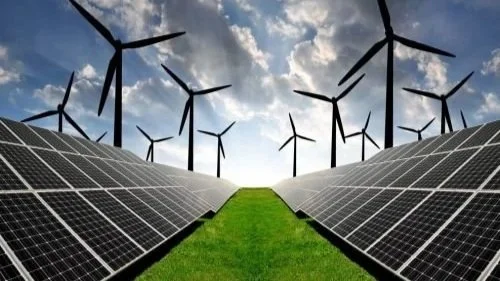
A significant shift in Nigeria’s energy economics has occurred as the cost of solar power falls below the price of electricity from the national grid for the first time. Recent data from Financial Derivatives Company Ltd indicate that while grid electricity tariffs have surged to between ₦220 and ₦270 per kilowatt hour, solar and wind installations are now generating power at a significantly lower range of ₦85 to ₦140 per kilowatt hour.
The Economic Flip: Solar vs. National Grid
The traditional power infrastructure in Nigeria, long plagued by reliability issues and frequent collapses, is facing a fundamental challenge from renewable energy. For decades, the national grid was viewed as the most affordable, albeit unreliable, source of power. However, recent tariff adjustments and the rising costs of gas-fired generation have inverted this logic.
According to market analysis, the operational disparity is stark. A 100 megawatt solar installation requires approximately ₦1.7 billion to ₦2.5 billion in annual operation and maintenance expenses. In contrast, gas fired plants of similar capacity incur between ₦120 billion and ₦150 billion in annual fuel costs. This absence of fuel overhead allows solar systems to provide a predictable, inflation resistant pricing model that is increasingly attractive in a volatile macroeconomic environment.
Decentralisation and the Rise of Mini-Grids
The shift toward renewable energy is accelerating the adoption of decentralised systems. Currently, Nigeria hosts approximately 170 solar powered mini grid networks equipped with battery storage. These systems bypass the national transmission infrastructure entirely, offering a level of dependability that the central grid has struggled to maintain.
Industry leaders, including Husk Power Systems, report the displacement of tens of thousands of diesel generators as businesses and residential clusters opt for solar battery hybrids. These mid range installations typically priced between ₦1 million and ₦5 million utilize lithium iron phosphate batteries, which offer higher energy density and faster charging cycles compared to traditional lead acid alternatives.
Impact on SMEs and Residential Consumers
The maturation of solar technology coincides with a period of severe liquidity and energy crises for small and medium sized enterprises (SMEs). For many, the transition is no longer merely a "green" choice but a fiscal necessity. Case studies highlighted by BusinessDay indicate that users who previously spent upwards of ₦300,000 monthly on combined fuel and grid electricity bills have reduced their secondary energy costs by over 80% following the installation of 5kVA solar systems.
As grid electricity becomes increasingly expensive, the "captive power" model where consumers generate their own electricity on site is becoming the primary choice for those seeking to protect their operations from the recurring collapses of the national transmission system.
Future Outlook
The transition to solar as the more affordable energy source represents a structural change in Nigeria's energy landscape. While the initial capital expenditure for solar remains a barrier for some, the long term savings and reliability offer a compelling return on investment. For policymakers, this shift highlights the urgent need for frameworks that support renewable energy integration and decentralised distribution to bridge the nation’s persistent energy gap.
