
2026 Outlook: Strong Rental Yields Forecasted for Nigeria’s Urban Growth Corridors
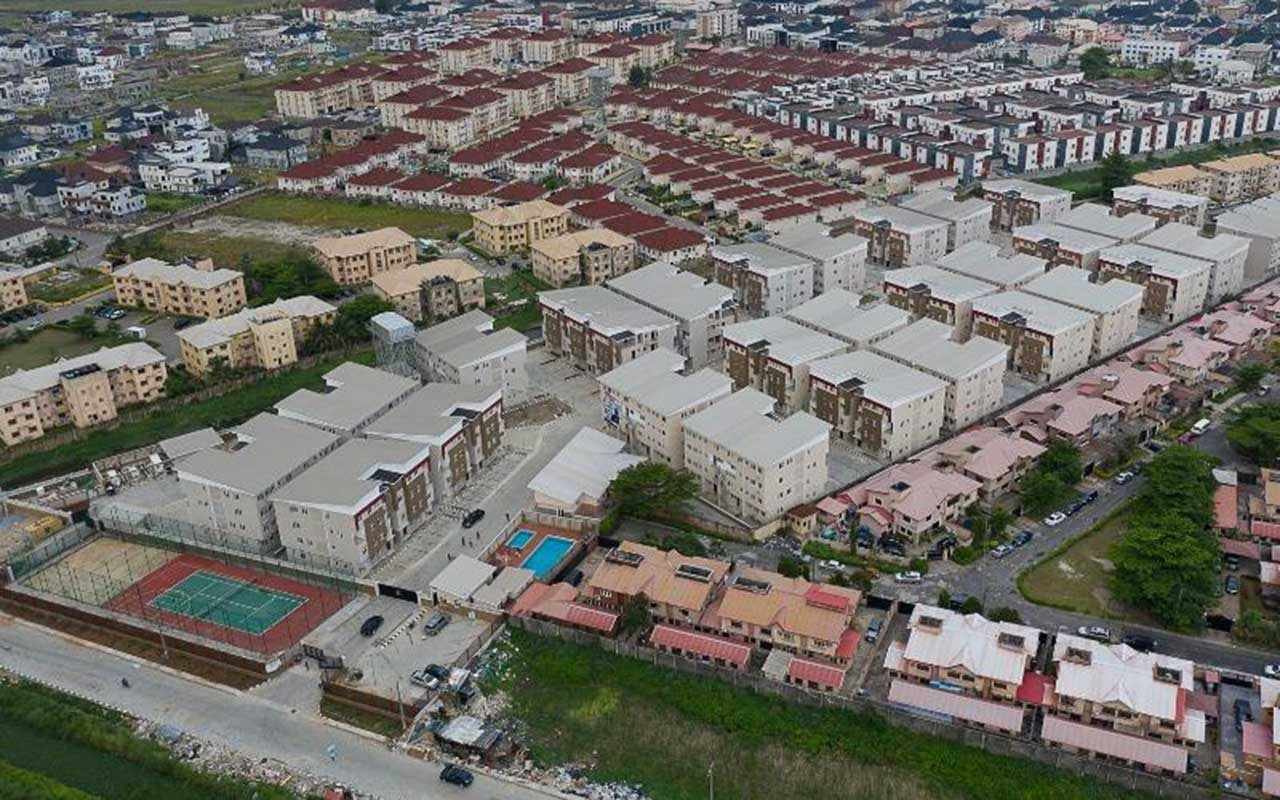
A View of Nigerian Estate Infrastructure
Real estate investors in Nigeria are positioned to see significant returns in 2026, with rental yields in major urban growth corridors projected to reach between 8% and 18% per annum. This growth is primarily driven by a persistent housing deficit, high urbanization rates, and a strategic "flight to quality" among both domestic and diaspora investors.
The Nigerian real estate market is expected to record steady capital appreciation and robust rental yields throughout 2026, particularly within the mid-to-upper segments of Lagos, Abuja, and Port Harcourt. According to industry data and market analysis, infrastructure-backed growth corridors are projected to deliver the highest returns, with some areas seeing capital appreciation as high as 35% due to ongoing industrial projects and housing demand.
Infrastructure-Led Growth and Regional Performance
A primary catalyst for the 2026 market performance is the advancement of major government and private infrastructure projects. Properties situated near the Lekki Deep Sea Port, Free Trade Zones, and new rail links are anticipated to appreciate 18% to 35% faster than those in less connected regions.
In Lagos, the market is bifurcated into distinct investment zones:
High-Yield Corridors: Lekki Phase 1, Ajah, and Sangotedo remain the primary focus for rental yields.
High-Appreciation Zones: Ibeju-Lekki, Epe, and Ikorodu are attracting land banking investors, with returns projected at 10% to 35% driven by industrial expansion.
Blue-Chip Assets: Established luxury hubs like Ikoyi, Victoria Island, and Banana Island continue to serve as hedges against inflation. While capital appreciation here is more moderate (5% to 10%), these locations remain the preferred choice for High-Net-Worth Individuals (HNIs) seeking wealth preservation.
Market Drivers: Deficit and Urbanization
The fundamental driver of these yields is the widening gap between housing supply and demand. Lagos alone faces an estimated housing deficit of three million units. As affordability challenges hinder many from homeownership, the demand for rental properties has surged.
Market analysts indicate that this demand is increasingly sophisticated. Investors are now prioritizing "smart" assets—properties that feature professional management, AI-powered security, and sustainable energy solutions like solar power. This shift suggests that the era of selling unimproved land is transitioning toward the development of integrated, mixed-use communities.
Evolving Investor Strategies
Despite macroeconomic headwinds such as inflation and high construction costs, investors are adapting by focusing on transparency and PropTech. The adoption of digital land titling and escrow-backed off-plan purchases is becoming standard practice to mitigate risks associated with land fraud.
Furthermore, there is a burgeoning interest in the commercial sector. Beyond residential needs, the growth of e-commerce is fueling demand for logistics hubs, warehousing, and small-format retail clusters in emerging suburbs.
Conclusion
The 2026 outlook for the Nigerian property market suggests a resilient sector where strategic location remains paramount. As infrastructure projects reach completion and urbanization continues unabated, the growth corridors of major cities offer a dual benefit of immediate rental income and long-term capital gains. For investors, success in this period will likely depend on identifying assets that combine quality amenities with proximity to new economic hubs.
