
Ending Estimated Billing in Nigeria: The 2026 Roadmap to Power Grid Stability
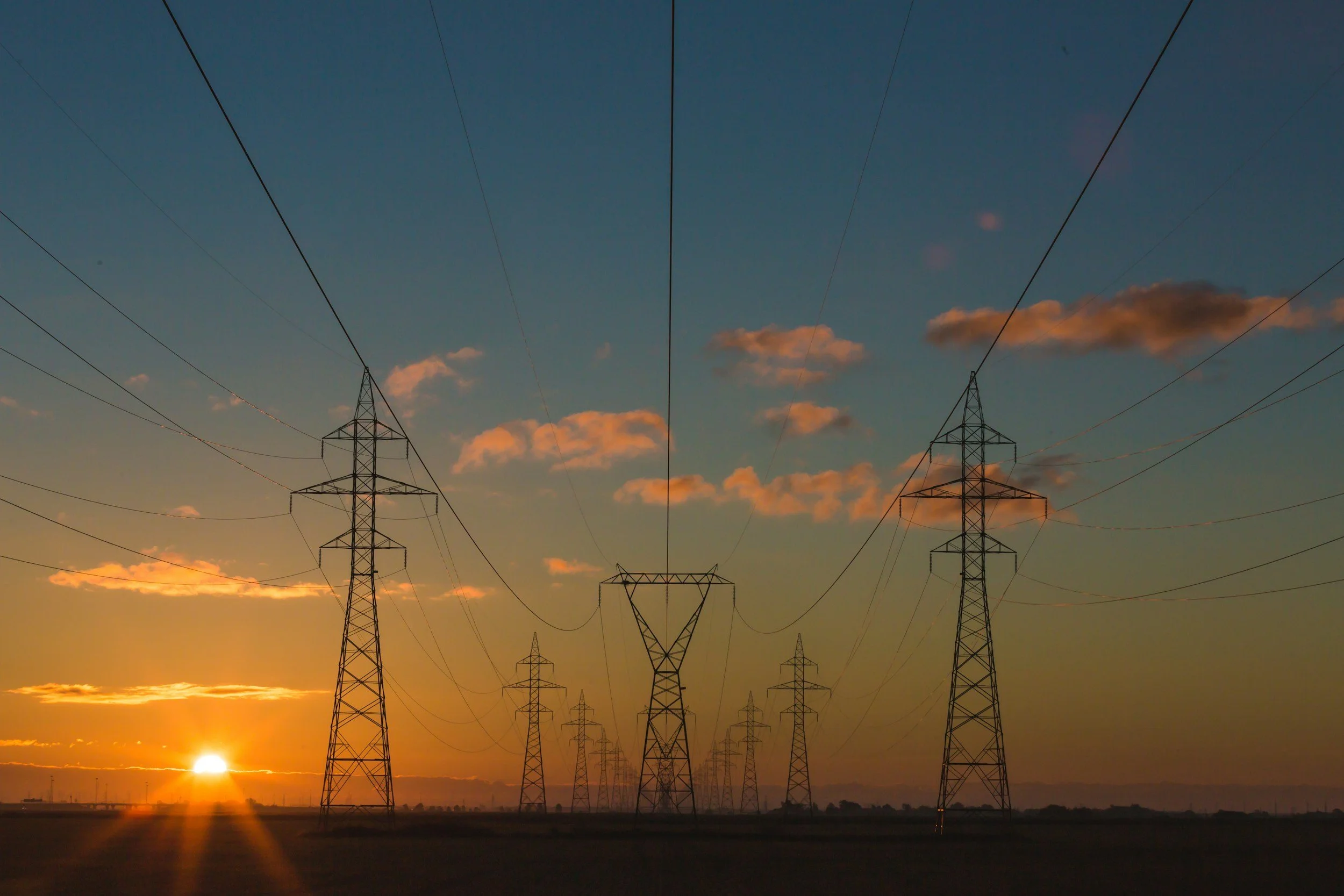
The Federal Government has intensified its mission to eradicate estimated billing often dubbed "crazy billing" across the federation. Through the Nigerian Electricity Regulatory Commission (NERC), a new roadmap for transparency and accuracy is being enforced to ensure consumers pay only for the energy they actually consume.
For years, unmetered Nigerians have reported bills as much as 500% higher than their actual usage. The 2026 strategy focuses on closing the 7-million-meter gap while enforcing strict financial penalties on Distribution Companies (DisCos) that fail to comply with billing caps.
According to a report by Constance Athekame, News Agency of Nigeria (NAN).
1. The MAF Tranche B Rollout: Free Meters for Millions
A core pillar of the 2026 roadmap is the Meter Acquisition Fund (MAF) Tranche B.
Funding: NERC has approved the disbursement of ₦28 billion to DisCos to provide prepaid meters at no cost to customers.
Target: The immediate priority is metering all outstanding customers in Band A and Band B (those with the highest daily power supply).
Deadlines: DisCos have been given strict timelines to complete these installations, with the goal of achieving 100% metering in urban residential clusters by the end of 2026.
2. The "Billing Cap" Safety Net
Until a meter is installed, NERC is enforcing a Monthly Energy Cap.
The Rule: Unmetered customers cannot be billed more than the average consumption of metered neighbors on the same feeder.
Consumer Protection: Any DisCo that overcharges beyond this cap is now liable to have that revenue deducted from their accounts and credited back to the affected consumers.
The Housing & Real Estate Perspective: Why This Matters
From a real estate standpoint, the end of estimated billing is a "value-multiplier" for property owners and a primary demand for 2026 tenants.
A. Resolving the "Tenant-Landlord" Utility War
Estimated billing is the #1 cause of legal disputes in multi-tenanted properties in Nigeria.
Individual Accountability: The shift toward prepaid meters allows landlords to move away from "shared bills" (which often lead to power being cut for the whole building) to individual accountability.
Property Desirability: 2026 market data shows that metered properties rent 30% faster than unmetered ones. A prepaid meter is now a standard "premium" feature in the Lagos and Abuja rental markets.
B. Impact on Facility Management & Service Charges
For estate developers and facility managers, the 2026 roadmap introduces Smart Metering as a standard.
Transparent Service Charges: Estates using centralized billing can now offer transparent audits of "common area" energy versus "private unit" energy.
Reduced Bad Debt: For commercial real estate, prepaid billing eliminates the risk of tenants vacating a property and leaving behind millions in unpaid "estimated" electricity arrears.
The Grid Connection: How Metering Stabilizes the Nigeria Power Grid
Beyond personal billing, the push to end estimated billing is a national security priority for the Nigeria Power Grid. According to recent News Agency of Nigeria (NAN) briefings, the lack of meters at the "transformer level" has historically left the grid blind to actual demand.
Real-Time Load Management
The National Grid survives on a delicate balance between generation and consumption.
The Problem: Estimated billing hides how much power is actually being used in a neighborhood.
The Solution: The 2026 Presidential Metering Initiative (PMI) focuses on "Smart Meters" that communicate with the National Supervisory Control and Data Acquisition (SCADA) system. This allows grid operators to see real-time demand and prevent the system overloads that cause nationwide blackouts.
Reducing "Non-Technical Losses"
The Nigeria Power Grid loses nearly 40% of its energy to technical and commercial losses.
Transparency: When every home is metered, DisCos can identify exactly where power is being "leaked" or stolen.
Reinvestment: By ending estimated billing and ensuring every kilowatt is paid for, the grid gains the liquidity needed to replace aging 330kV and 132kV transmission lines, ultimately leading to more hours of light for metered homes.
Housing & Real Estate: The "Grid-Ready" Advantage
For the Nigeria Housing Market, a property’s connection to a stable grid is its most valuable asset.
Grid-Interactive Smart Homes: Modern estates in Lagos and Abuja are now being built as "Grid-Interactive." These homes use smart meters to switch between the national grid and solar backup automatically based on grid stability alerts.
Property Value & Feeder Class: Homes on Band A Feeders (guaranteed 20+ hours of power) have seen property values spike by 25% in 2026. However, NERC has warned that without 100% metering, these feeders cannot maintain their high-priority status on the national grid.
