
Nigeria Faces Energy Crisis as National Grid Records Third Collapse in One Month
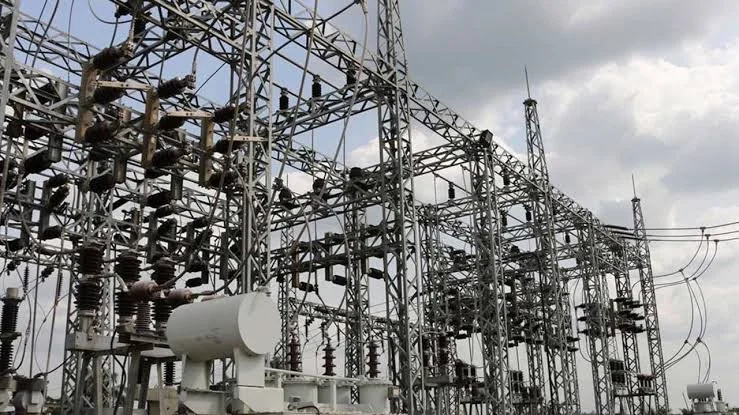
National power Grid
Nigeria’s electricity sector has reached a critical juncture following the third total collapse of the national power grid within a 30-day window. The recurring system failures have resulted in nationwide blackouts, disrupting industrial productivity and placing additional strain on the country's urban infrastructure. These incidents underscore the persistent vulnerabilities within the Transmission Company of Nigeria’s (TCN) infrastructure and raise urgent questions regarding the technical stability of the national energy framework.
Analysis of Systemic Instability
The frequent frequency fluctuations and total system collapses indicate a significant imbalance between power generation and transmission capacity. According to data from the Independent System Operator (ISO), the grid has struggled to maintain a steady output above 4,000 megawatts, despite the nation’s estimated requirement of over 30,000 megawatts for industrial and residential sufficiency.
Technical experts suggest that the fragility of the grid stems from aged infrastructure, inadequate spinning reserves, and a lack of modern Supervisory Control and Data Acquisition (SCADA) systems. Without these automated monitoring tools, the TCN remains limited in its ability to detect and isolate faults before they escalate into a total system collapse.
Socio-Economic Implications for Housing and Industry
The reliability of the national grid is inextricably linked to Nigeria’s urban renewal and housing affordability goals. For the real estate sector, erratic power supply increases the "hidden costs" of housing. Developers are forced to invest heavily in independent power plants (IPPs) or high-capacity diesel generators, costs which are ultimately passed on to tenants and homeowners.
Furthermore, the industrial sector responsible for producing essential building materials such as cement and steel faces increased operational overheads during grid failures. This energy insecurity directly contributes to the rising cost of construction, further widening the housing deficit as affordable delivery becomes increasingly difficult for both the public and private sectors.
Policy Response and Infrastructure Investment
In response to the recurring collapses, the Federal Government and the Nigerian Electricity Regulatory Commission (NERC) have emphasized the need for decentralizing the grid. The Electricity Act of 2023 provides a legal framework for state governments and private investors to generate, transmit, and distribute power. This shift toward a sub national electricity market is intended to reduce the total reliance on a single, centralized national grid.
However, the transition requires significant capital expenditure. According to the Ministry of Power, billions of Naira in investment are needed to upgrade the transmission lines and substations that currently serve as bottlenecks in the value chain. Addressing these structural deficits is paramount to ensuring that Nigerian cities remain viable hubs for investment and residential development.
The recent trio of grid collapses highlights the urgency of comprehensive power sector reform. For Nigeria to meet its urban development targets, the focus must shift from reactive repairs to proactive infrastructure modernization. Stakeholders and policymakers must prioritize the integration of renewable energy sources and the implementation of smart grid technology to build a resilient energy backbone. Until the grid achieves stability, the broader goals of economic growth and sustainable housing will remain hindered by the high cost of alternative energy.
