Tinubu Projects Further Inflation Decline for 2026 as CBN Forecasts 12.9% Target
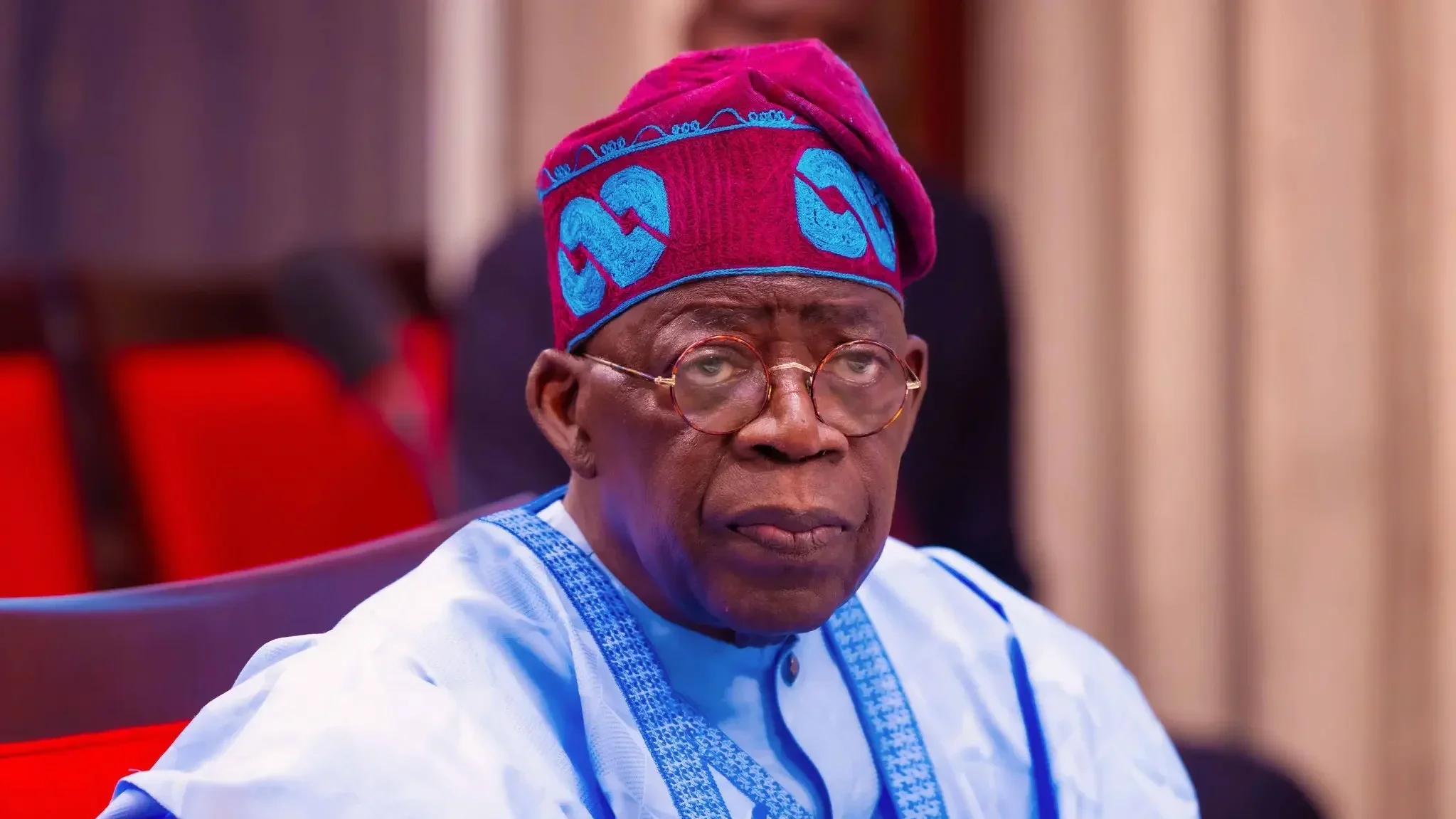
In his 2026 New Year address, President Bola Ahmed Tinubu assured the nation that Nigeria’s economy has moved past the phase of "crisis management" into a period of cautious stabilization. The President projected that headline inflation will continue its downward trajectory throughout 2026, building on the disinflationary momentum achieved in the second half of 2025.
This presidential optimism is backed by the Central Bank of Nigeria’s (CBN) 2026 Macroeconomic Outlook, which provides a data-driven roadmap for the year ahead.
The Disinflation Forecast: From 21% to 12.9%
The CBN projects that headline inflation will moderate to an average of 12.94% in 2026, a significant drop from the estimated average of 21.26% in 2025.
The Bank attributes this expected decline to three primary factors:
Easing Supply Constraints: The moderation of food and energy prices as domestic refining capacity increases.
Monetary Policy Lag: The delayed impact of the aggressive interest rate hikes implemented throughout 2024 and early 2025.
Fiscal Coordination: Improved alignment between the CBN’s monetary stance and the Federal Government’s fiscal reforms.
Key Economic Growth Drivers
President Tinubu’s address highlighted that "all ongoing projects will continue without interruption," reflecting a shift toward infrastructure-led growth. The CBN supports this with a projected GDP growth rate of 4.49% for 2026, up from 3.89% in 2025.
This growth is expected to be fueled by:
The Non-Oil Sector: Services, including ICT and trade, remain major contributors to the domestic economy.
Increased Oil Output: Crude oil production is assumed at 1.50 mbpd (excluding condensates), supported by improved security surveillance and the launch of the Production Monitoring Command Centre (PMCC).
The Dangote Refinery: Increased domestic refining capacity is expected to stabilize fuel prices and reduce the demand for foreign exchange.
Stability of the Naira and External Buffers
To anchor market expectations, the CBN projects that the exchange rate will remain broadly stable throughout 2026. The Bank’s baseline assumption places the Naira at an average of ₦1,400/US$, supported by rising diaspora remittances and a surplus in the current account.
Furthermore, Nigeria’s external reserves are projected to increase to $51.04 billion, up from $45.01 billion in 2025. This accretion is intended to provide a buffer against global shocks and bolster investor confidence.
Policy Pillars for 2026
The administration’s strategy for the year is built on four "Strategic Policy Anchors" aimed at consolidating recent gains:
FX Market Reforms: Continued focus on price discovery and market stability.
Petroleum Industry Act (PIA) 2021: Deepening implementation to foster productivity and investment in the energy sector.
Nigeria Tax Act 2025: Broadening the tax net to boost government revenue without stifling SMEs.
Banking Recapitalization: Strengthening the financial system to support increased credit intermediation.
While the outlook remains "cautiously optimistic," the CBN warns that risks such as geopolitical tensions and potential oil price volatility could still impact these projections.