
Experts Issue Urgent Flood Warnings for Nigeria’s Housing Sector in 2026
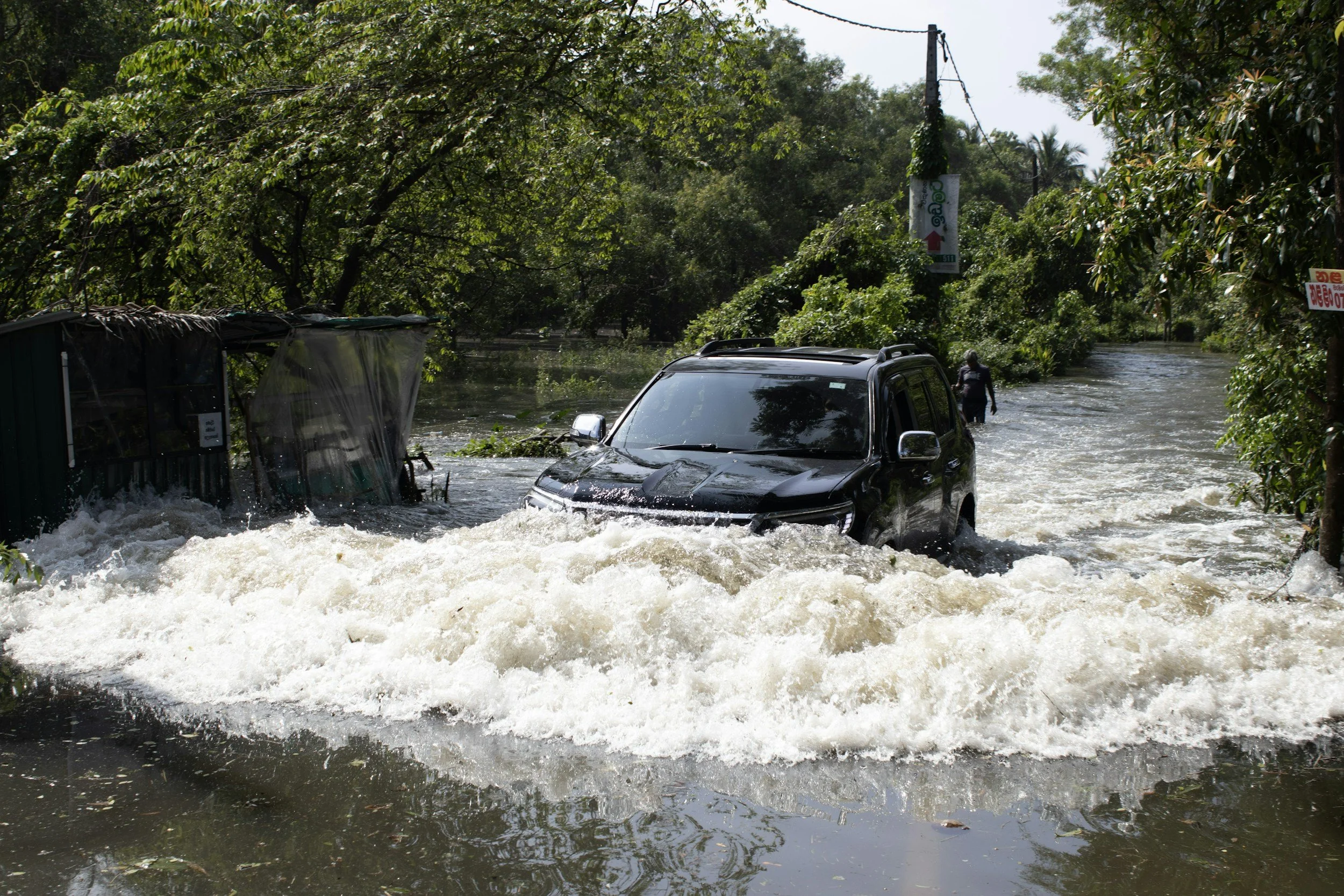
As 2026 begins with record-breaking heatwaves and unexpected off-season downpours, climate experts and housing stakeholders are raising the alarm over heightened flood risks threatening Nigeria’s real estate sector. The warning follows unusual heavy rains recorded in parts of Lagos, Ogun, and other states as early as January and February a period traditionally dominated by the dry Harmattan haze.
A "New Normal" for Nigerian Weather
Environmental scientists noted that the disruption of long-established weather cycles is no longer a future threat but a present reality.
"The early rainfall we experienced in January is a pointer that the country may experience more intense and unpredictable downpours this year," stated Mr. Ahoton James, Director of Environmental Services at the Lagos State Primary Healthcare Board. Experts argue that climate variability is making it nearly impossible to predict the rainy season's onset, leaving homeowners and developers vulnerable.
Why the 2026 Outlook is Concerning
The 2026 forecast suggests a "double-edged" climate crisis: extreme heat followed by high-intensity rainfall. Key risk factors identified include:
Saturated Soil: Early rains prevent the ground from drying out, meaning that when the peak rainy season arrives in April/May, the soil will reach saturation faster, leading to immediate flash floods.
Infrastructure Stress: Most Nigerian drainage systems are designed for historical averages. The "unusual" volumes expected in 2026 are likely to overwhelm existing channels.
The "Concrete Jungle" Effect: In urban hubs like Lagos and Abuja, the excessive use of interlocking stones and concrete in residential compounds prevents natural water absorption, turning streets into fast-moving rivers.
15.2 Million Homes at Risk
This warning comes on the heels of a federal report flagging 15.2 million Nigerian homes as structurally unsafe. Many of these units are located in low-lying areas, wetlands, or regions with poor drainage. Experts warn that the 2026 floods could exacerbate the qualitative housing deficit by causing structural failures in buildings already weakened by previous flooding events.
How Homeowners and Developers Can Prepare
Industry leaders, including Engineer Emmanuel Aniekwena, are calling for a shift toward "flood-resilient infrastructure."
Sustainable Drainage: Moving away from fully paved compounds to include "green zones" that allow for water percolation.
Regular Desilting: Communities must proactively clear neighborhood drains before the heavy rains of the second quarter.
Elevated Designs: New developments should prioritize higher foundation elevations and optimized road cambers to direct runoff away from buildings.
Flood Insurance: With over 90% of flood victims in Nigeria currently uninsured, experts urge homeowners to seek climate-linked insurance policies to protect their assets.
Early Warning Requires Early Action
The message from the Africa Development Studies Centre and other environmental bodies is clear: preparedness is cheaper than recovery. As Nigeria navigates this unpredictable 2026 weather cycle, the safety of the housing market will depend on how quickly the government and private citizens move from "reactive relief" to "proactive adaptation."
Action Steps for Our Readers
Check Property Topography: If you are buying land this year, verify its flood history specifically during the 2022 and 2025 flood cycles.
Clear Your Gutters: Don't wait for the government; local community action is the first line of defense against street-level flooding.
Review Building Materials: Use water-resistant finishes for exterior walls in areas prone to dampness.
