
FX Market Liquidity Crisis: Why Foreign Investors Scaled Back 21% of Inflows in 2025
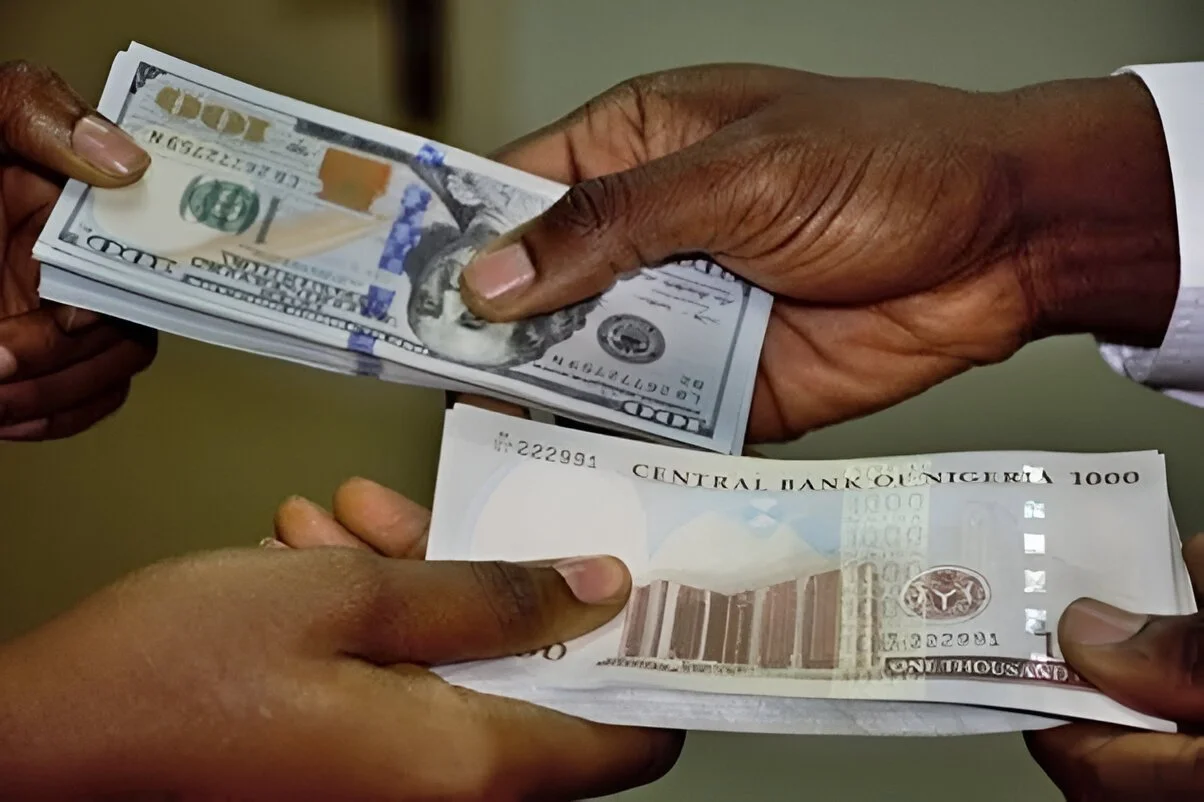
Market liquidity in Nigeria’s official Foreign Exchange (FX) window has faced a fresh setback as dollar inflows plummeted by 21%. According to a report by Nairametrics, the decline is largely attributed to a significant retreat by foreign investors, who have adopted a "wait-and-see" approach amidst lingering concerns over exchange rate volatility and interest rate trajectories.
The data highlights a cooling of the initial optimism that followed the Central Bank of Nigeria’s (CBN) mid-2024 and early-2025 reforms. Despite efforts by Governor Olayemi Cardoso to maintain a "willing buyer, willing seller" model, the total value of transactions at the Nigerian Autonomous Foreign Exchange Market (NAFEM) has seen a contraction in volume.
The Numbers: Breakdown of the 21% Decline
Based on the latest market analysis, the slide in inflows reflects a broader shift in Foreign Portfolio Investment (FPI) trends:
Reduced FPI Participation: Total foreign inflow dropped as investors expressed caution regarding the sustainability of high yields on OMO (Open Market Operation) bills and T-bills relative to inflation.
Transaction Volume Contraction: The daily average turnover at the official window has struggled to sustain the $200 million+ levels seen in the first half of 2025.
Local vs. Foreign Balance: While domestic sources have tried to fill the gap, they remain insufficient to compensate for the exit of large institutional offshore funds.
Why Are Investors Retreating?
Real Interest Rates: Despite the CBN’s hawkish stance, the gap between the Monetary Policy Rate (MPR) and headline inflation remains a concern for investors looking for "real" returns.
FX Repatriation Fears: While the CBN has cleared the valid FX backlog, the speed of liquidity in the official window still triggers concerns regarding the ease of exiting positions during market shocks.
Global Macro Shifts: Strengthening yields in the U.S. and other developed markets have made emerging markets like Nigeria appear riskier for carry-trade investors.
Impact on the Real Estate & Housing Sector
For the Nigeria Housing Market, a 21% slide in FX inflows has direct consequences:
Rising Construction Costs: As dollar liquidity tightens, the cost of importing essential building materials (elevators, finishing tiles, and specialized steel) is expected to rise, further inflating property prices in Lagos and Abuja.
Capital Flight from Proptech: Many Nigerian Proptech startups rely on foreign VC funding (denominated in dollars). A retreat in foreign investor confidence could slow down the "digital disruption" in the housing sector.
Shift to "Hard Currency" Assets: Investors are increasingly looking at waterfront and prime-location properties as a "hedge" against the Naira's volatility, as the FX market shows signs of instability.