Nigeria’s Debt Service Projected to Reach N91 Trillion by 2028 Amid Revenue Shortfalls
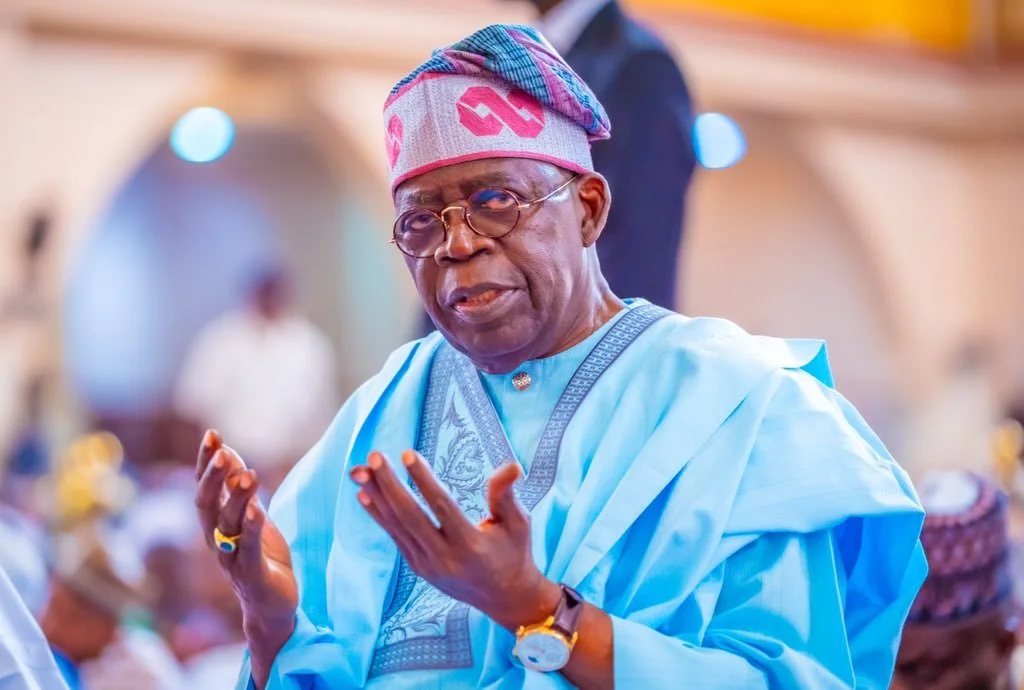
The Federal Government of Nigeria is projected to spend over N91 trillion on debt servicing between 2023 and 2028
The Federal Government of Nigeria is projected to spend over N91 trillion on debt servicing between 2023 and 2028 under the administration of President Bola Tinubu. This fiscal trajectory, driven by a combination of high interest rates, a widening budget deficit, and persistent revenue underperformance, underscores the mounting pressure on the nation’s public finances. Data from the Medium-Term Expenditure Framework (MTEF) for 2026–2028 suggests that interest and principal repayments are increasingly crowding out essential capital investments.
Analysing the Trajectory of Debt Obligations
The scale of Nigeria’s debt service requirements has consistently exceeded initial budgetary provisions. According to a review of the 2023 and 2024 fiscal years, actual spending on debt obligations has outpaced projections by significant margins. In 2023, the government budgeted N6.56 trillion for debt service but recorded an actual expenditure of N8.56 trillion, a N2 trillion overshoot.
This trend intensified in 2024, where the budgeted N8.27 trillion ballooned into an actual outturn of N12.63 trillion. For the 2025 fiscal year, the government has earmarked N14.32 trillion for debt servicing. However, performance data from the first seven months of 2025 indicates that debt service has already reached N9.8 trillion, significantly higher than the pro-rated target of N8.35 trillion.
Revenue Weakness and Fiscal Deficits
The fundamental driver of this rising debt burden is the volatility of government revenue. While 2023 saw actual revenue reach N12.48 trillion, the following year witnessed a significant shortfall. In 2024, actual revenue totaled N20.98 trillion, nearly N5 trillion below the budgeted expectations.
The 2025 fiscal year shows early signs of further stress. Pro-rated aggregate revenue for the first seven months is estimated at N13.6 trillion, falling short of the N23.8 trillion target. As revenue fails to meet projections, the government is forced to increase borrowing to fund recurrent expenditures, creating a cycle of rising debt stock and interest obligations.
The Crowding Out of Capital Expenditure
One of the most critical consequences of rising debt costs is the stagnation of capital expenditure. Although the government plans to allocate N114.8 trillion to capital projects over the six years ending in 2028, actual releases have lagged behind debt payments.
In 2024, the gap between debt service and capital spending reached N11.5 trillion. This disparity has worsened in 2025; while the pro-rated budget for capital expenditure was set at N13.6 trillion for the first seven months, only N3.59 trillion was released. This suggests that infrastructure, healthcare, and education projects are being deprioritised to meet sovereign debt obligations.
Monetary Policy and Borrowing Costs
The rising cost of debt is further amplified by the Central Bank of Nigeria’s (CBN) hawkish monetary policy. To combat inflation, the CBN has maintained elevated interest rates, pushing government borrowing costs above 20%.
Furthermore, the debt stock itself has expanded rapidly. Domestic debt rose from N54.3 trillion in 2022 to N80.5 trillion, while external debt climbed to $46.9 billion. The depreciation of the Naira has also increased the cost of servicing foreign-denominated loans, adding an extra layer of fiscal vulnerability.
Future Outlook
Looking toward the 2026–2028 period, the MTEF projects annual debt service costs of N15.9 trillion in 2026, rising to N19.8 trillion in both 2027 and 2028. Total budgeted debt service for the six-year period is estimated at N84.6 trillion, though historical trends suggest the actual figure will likely exceed N91 trillion.
Without aggressive revenue reforms or a meaningful reduction in borrowing costs, debt servicing will remain the dominant claim on Nigeria’s public resources. The ability of the Tinubu administration to deliver on its "Renewed Hope" agenda depends heavily on its capacity to break this cycle and restore balance between debt obligations and developmental spending.