Nigeria’s 2026 Budget Breakdown: Sector Allocations & ₦58.18tn Appropriation Highlights
Last Updated March 16, 2026
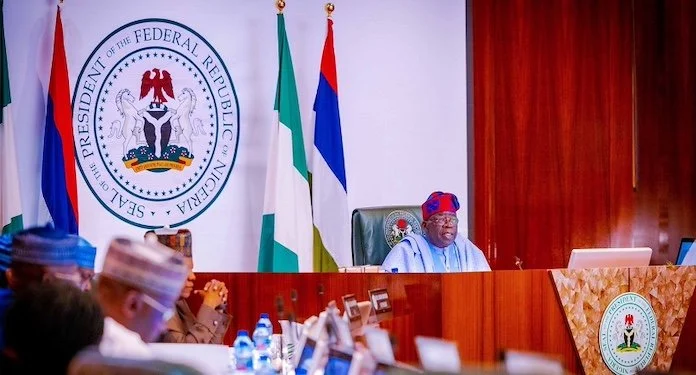
President Bola Tinubu has formally presented the ₦58.18 trillion 2026 Appropriation Bill to a joint session of the National Assembly. Titled the “Budget of Consolidation, Renewed Resilience and Shared Prosperity,” this fiscal roadmap marks a definitive pivot from economic stabilization to a high-growth, results-oriented framework designed to stimulate the Nigerian economy throughout the 2026 fiscal year.
/ You Might Also Like /




2026 Budget: Fast Facts at a Glance
Total Expenditure: ₦58.18 Trillion
Capital Expenditure: ₦26.08 Trillion (44.8% of total)
Debt Servicing: ₦15.52 Trillion
Security Allocation: ₦5.41 Trillion (Single largest sector)
Budget Goal: Termination of the "multiple budget cycle" by March 31, 2026.
The 2026 Macroeconomic Anchor
Unlike previous years plagued by fiscal rollovers, the 2026 budget is built on a "single-revenue cycle" policy. President Tinubu emphasized that by April 2026, Nigeria will operate on a standardized calendar with no excuses for budget overlaps.
The bill is anchored on the following 2026 projections:
Exchange Rate: ₦1,400 to the US Dollar (revised downward from ₦1,512).
Crude Oil Benchmark: $64.85 per barrel.
Oil Production: 1.84 million barrels per day (mbpd).
Budget Deficit: ₦23.85 trillion (4.28% of GDP).
Major Sector Allocations: The 2026 Heavy Hitters
The 2026 budget prioritizes four "interconnected pillars": security, infrastructure, education, and health.
| Sector | 2026 Allocation | Strategic Focus for the Year |
|---|---|---|
| Defence & Security | ₦5.41 Trillion | Modernization, counter-terrorism, and community policing |
| Infrastructure | ₦3.56 Trillion | Completion of Lagos-Calabar Coastal Highway and port upgrades |
| Education | ₦3.52 Trillion | Full funding for NELFUND and vocational skills training |
| Health | ₦2.48 Trillion | Primary healthcare networks and maternal health expansion |
Deep Dive: What the Ministry Breakdown Reveals
1. Security as the Bedrock of Growth
Commanding nearly 10% of the total budget, the Ministry of Defence and National Security Agencies are tasked with a new "National Counter-Terrorism Doctrine." This policy reclassifies all non-state armed groups as terrorists to ensure unified command and accountability. The government aims for "security results," not just "security spending."
2. Infrastructure and Urban Renewal
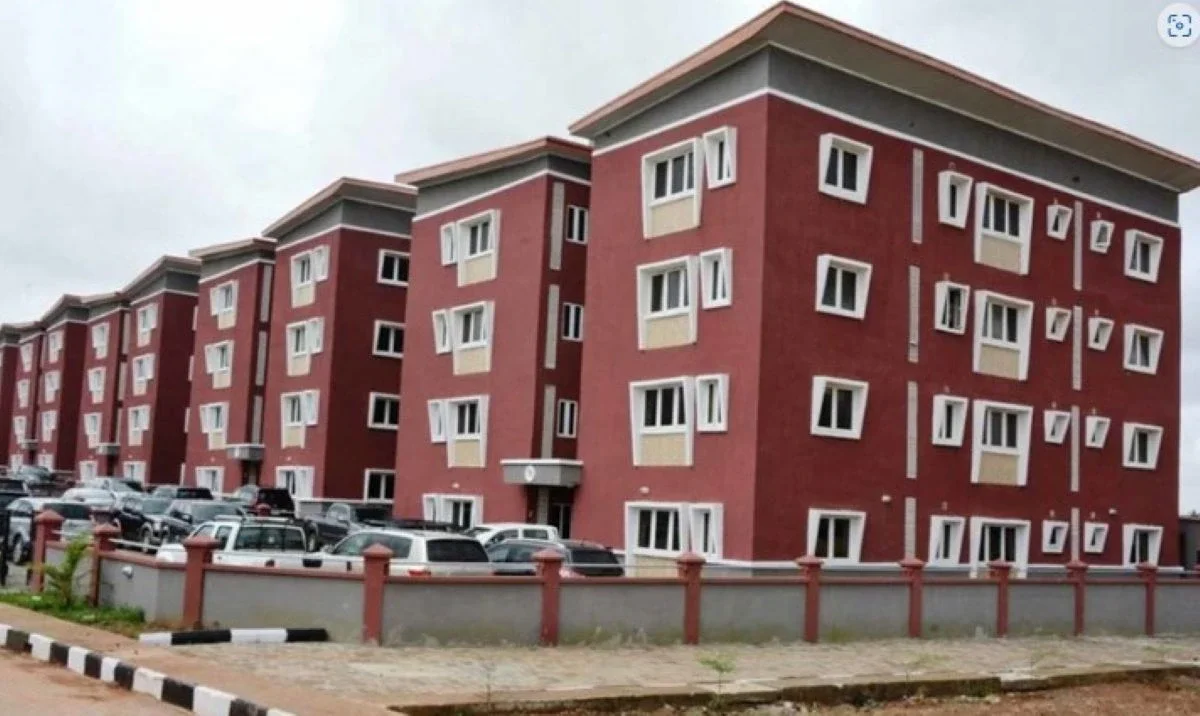
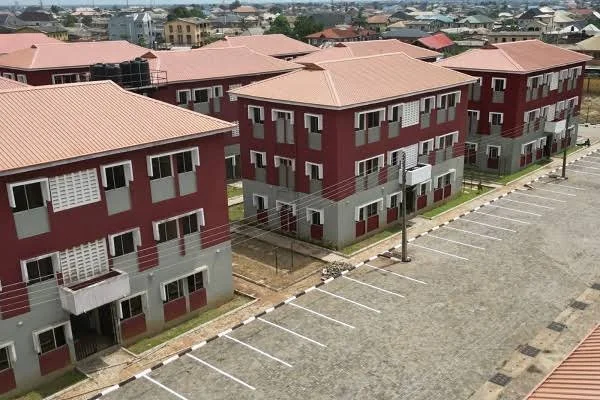
With ₦26.08 trillion earmarked for Capital Expenditure, the Ministry of Works and the Ministry of Housing are at the forefront of the Renewed Hope Infrastructure Fund. A critical line item for 2026 includes ₦1.7 trillion set aside specifically to settle outstanding contractor liabilities from 2024, aiming to restore trust in the construction sector.
3. Human Capital & The NELFUND Expansion
The 2026 budget solidifies the Nigerian Education Loan Fund (NELFUND). With over 418,000 students already supported, the ₦3.52 trillion education spend focuses on ensuring that no Nigerian student is excluded from tertiary education due to financial constraints.
4. Digital Revenue Mobilization
To fund this massive ₦58tn spend, the Ministry of Finance is deploying end-to-end digitization. By April 2026, all revenue collection will be standardized via e-collections and real-time performance dashboards to seal leakages that previously cost the nation trillions in unremitted funds.
Economic Implications for 2026
For the private sector, the 2026 Appropriation Bill is a signal of stability. The inclusion of ₦1.8 trillion for debt retirement to local contractors is expected to inject much-needed liquidity into the real estate and engineering sectors.
However, critics and lawmakers like Senator Natasha Akpoti-Uduaghan have cautioned that the "quantum of impact" must be felt by the ordinary Nigerian. The success of the 2026 budget will be measured by its ability to sustain the GDP growth (currently at 3.98%) and further reduce inflation, which has begun a steady decline to 14.45% as of late 2025.
Final Verdict
The 2026 budget is Nigeria’s most ambitious attempt yet at "Cleaning the Fiscal Slate." By ending the habit of running multiple budgets and focusing on verified contractor settlements, the Tinubu administration is betting on fiscal discipline to drive shared prosperity.