National Assembly Publishes Certified Tax Laws to Resolve Authenticity Concerns
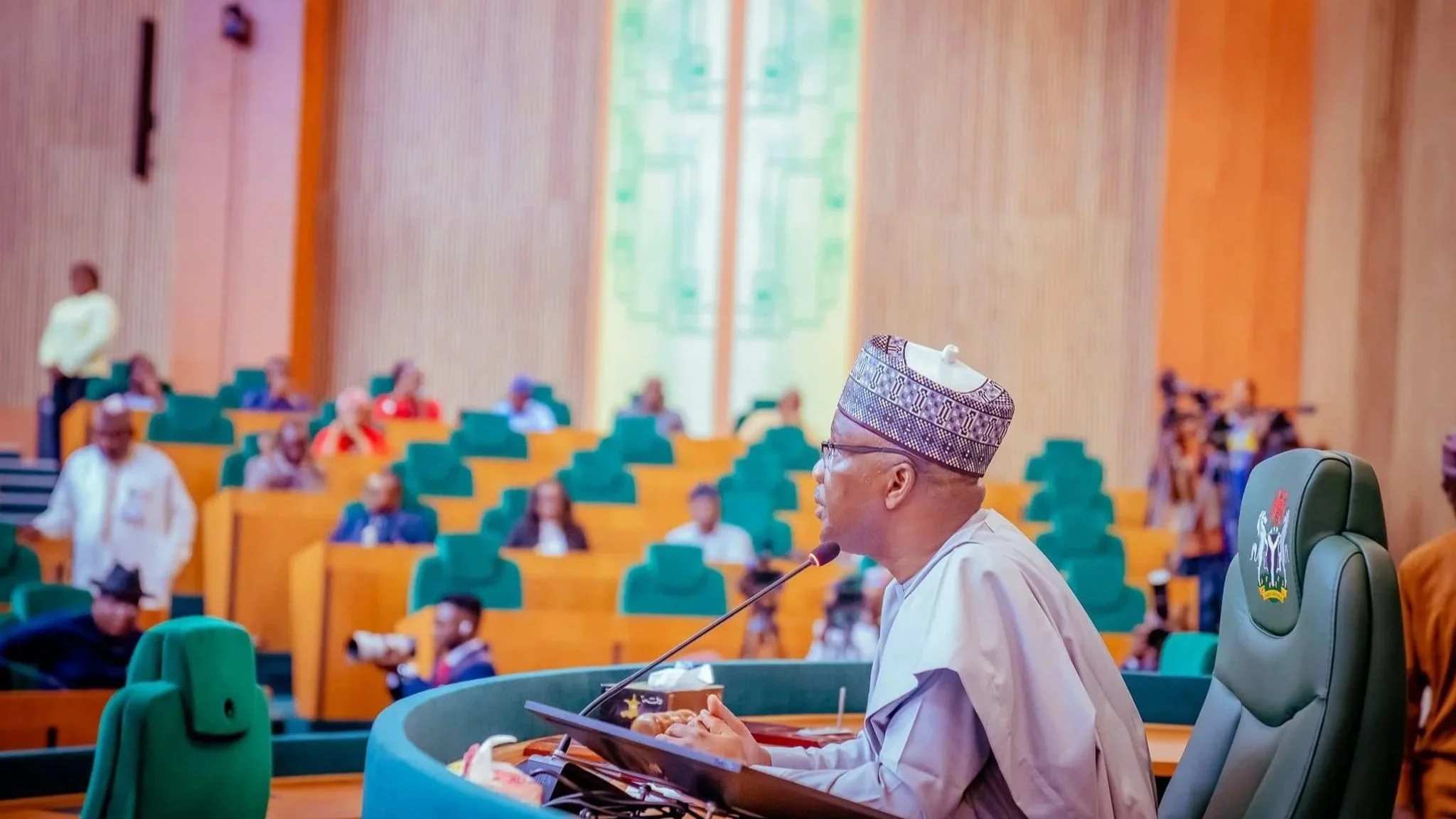
Nigeria’s House of Representatives
Nigeria’s House of Representatives has formally released the certified versions of four recently enacted tax reform laws, moving to restore public confidence after allegations emerged that unofficial and inconsistent versions of the Acts were circulating outside the legislative process.
The decision follows rising concerns from lawmakers, legal practitioners, and fiscal policy stakeholders who questioned whether the tax laws signed by President Bola Ahmed Tinubu aligned with documents subsequently made public. According to a statement issued by the House spokesperson, Akin Rotimi, the move reflects a deliberate effort by the legislature to reinforce transparency and safeguard the integrity of Nigeria’s law-making framework.
The Speaker of the House, Tajudeen Abbas, authorised the immediate public release of the Certified True Copies (CTCs) of the four Acts, including the presidential assent pages, to provide a definitive reference point for institutions, businesses, and the general public.
Origin of the Dispute
The controversy gained momentum after a member of the House raised concerns during plenary that the gazetted versions of the tax laws appeared to differ from the texts passed by the National Assembly. The development triggered broader scrutiny, with professional bodies and civil society organisations urging clarification before full-scale implementation of the reforms.
For investors and corporate taxpayers, the uncertainty posed potential risks to compliance planning, regulatory interpretation, and contractual obligations under the new tax regime.
Parliamentary Review and Oversight
In response, the House leadership, working alongside the Senate, initiated a multi-layered review process. A seven-member ad hoc committee was constituted to examine how unauthorised versions entered public circulation, assess whether procedural breaches occurred, and recommend institutional safeguards against similar incidents in the future.
Beyond the committee’s work, the Speaker ordered an internal verification of all legislative records associated with the tax reforms, reinforcing the National Assembly’s custodial role over enacted laws.
Scope of the Released Tax Laws
The certified documents made public include:
Nigeria Tax Act, 2025
Nigeria Tax Administration Act, 2025
National Revenue Service (Establishment) Act, 2025
Joint Revenue Board (Establishment) Act, 2025
Collectively, these laws underpin Nigeria’s current tax reform agenda, which aims to streamline revenue administration, reduce duplication across tiers of government, improve compliance, and strengthen fiscal coordination nationwide.
Implications for Fiscal Governance
Legislative leaders described the reforms as the product of extensive consultations, technical review, and clause-by-clause scrutiny. The House emphasised that the credibility of tax reform depends not only on policy design but also on legal certainty, especially in an environment where Nigeria is seeking to broaden its tax base while supporting economic recovery.
For businesses, clarity over the authentic text of the law is critical to assessing tax liabilities, restructuring operations, and aligning with compliance timelines.
Official Assurance to the Public
Reaffirming the authority of the legislature, the House stated that only laws certified and retained by the National Assembly constitute valid legal instruments. Stakeholders were advised to disregard any versions of the tax Acts that lack legislative certification, as such documents carry no legal standing.
Conclusion
The release of the certified tax laws marks a decisive step in reinforcing institutional credibility at a pivotal moment in Nigeria’s fiscal reform journey. As implementation progresses, sustained transparency and inter-agency coordination will remain essential to ensuring that the reforms achieve their intended economic and governance outcomes without eroding public trust.