
Naira Appreciates to ₦1,400 as US Dollar Weakens in Foreign Exchange Market
Naira Gains Strength, Appreciates to ₦1,400 as US Dollar Index Falls
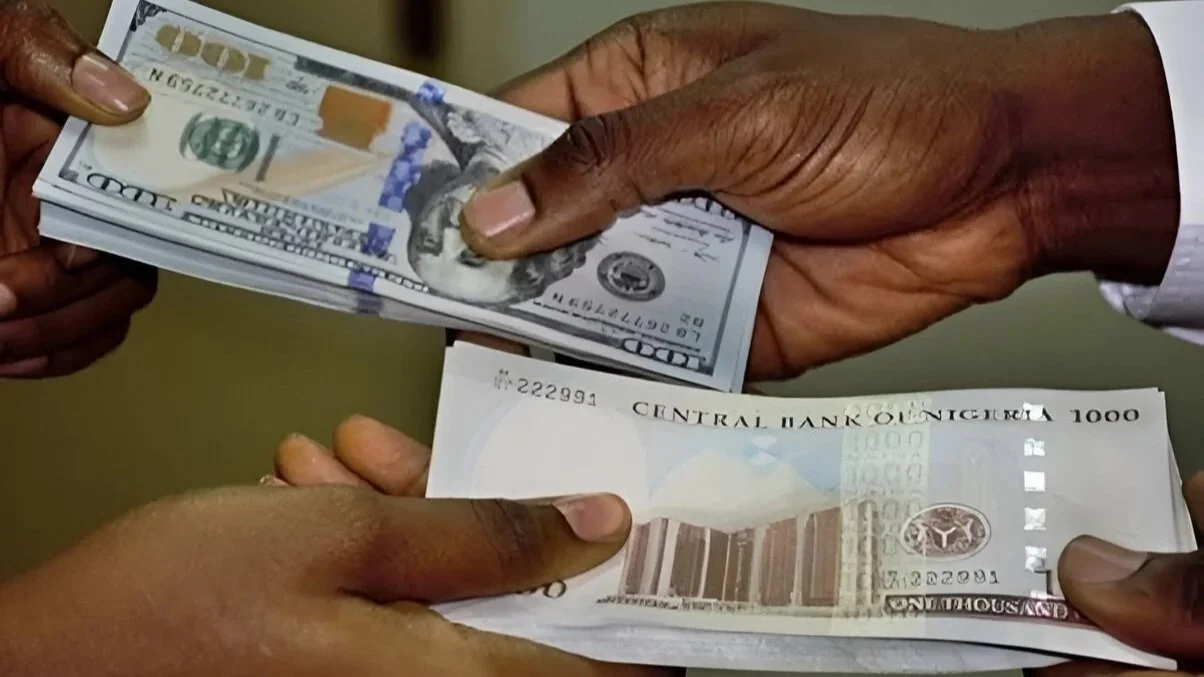
The Nigerian Naira recorded a significant gain against the US Dollar on Wednesday, January 28, 2026, appreciating to ₦1,400 in the foreign exchange market. This recovery follows a period of sustained pressure on the local currency and coincides with a broader weakening of the US Dollar Index (DXY) against major global currencies. Analysts attribute the Naira’s performance to a combination of improved liquidity in the Nigerian Foreign Exchange Market (NFEM) and shifts in global monetary expectations.
Market Performance and Exchange Rate Dynamics
According to data from FMDQ Securities Exchange, the Naira opened at a stronger position compared to the previous trading session, eventually settling at the ₦1,400/$1 mark. This appreciation represents a notable recovery from the volatility observed earlier in the month. Simultaneously, reports from the parallel market indicate a narrowing gap between official and informal rates, suggesting a gradual convergence driven by increased intervention and market transparency.
The primary catalyst for this shift appears to be the global decline of the US Dollar. As inflationary pressures in the United States show signs of cooling, investors have adjusted their expectations regarding the Federal Reserve's interest rate trajectory. This pivot has reduced the demand for the Greenback, providing emerging market currencies, including the Naira, a much-needed reprieve.
Liquidity Inflows and Central Bank Interventions
Domestic factors have also played a critical role in the Naira's recent strength. The Central Bank of Nigeria (CBN) has maintained its restrictive monetary policy stance, aimed at curbing inflation and attracting foreign portfolio investments. Recent data indicates an uptick in dollar inflows from remittances and foreign investors, bolstered by the successful subscription of government-backed bonds and high-yield treasury bills.
Furthermore, the clearance of verified foreign exchange backlogs has restored a measure of confidence among manufacturers and international lenders. By ensuring that valid requests for foreign exchange are met through official channels, the CBN has successfully reduced the panic-buying that typically drives down the value of the Naira.
Outlook for the Naira
While the appreciation to ₦1,400 provides short term relief for importers and consumers, the long term stability of the currency remains tied to Nigeria’s ability to boost non oil exports and maintain fiscal discipline. Policymakers and market observers remain cautiously optimistic, noting that sustained appreciation will require a continued increase in crude oil production and a stable global commodity market.
As the US Dollar continues to react to American economic data, the Naira is expected to face further tests in the coming weeks. However, the current trend suggests that the aggressive reforms initiated by the monetary authorities are beginning to yield tangible results in stabilizing the exchange rate.
