
Middle East Conflict Threatens to Deepen Nigeria’s Housing Crisis
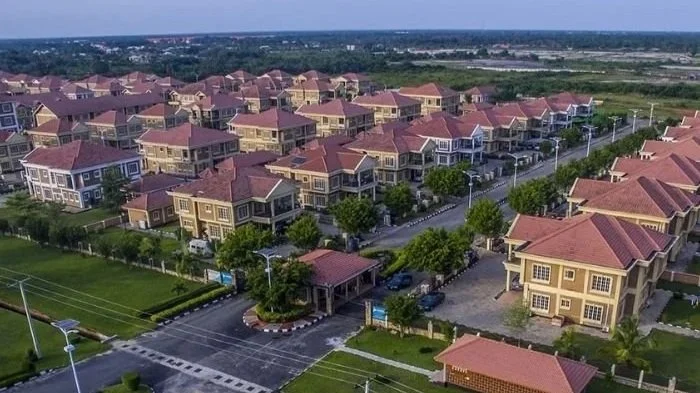
Global Conflict Pressures Seen Escalating Nigeria’s Real Estate Challenges
Escalating tensions in the Middle East are expected to compound Nigeria’s housing crisis by driving up construction costs, energy prices and financing expenses, according to industry stakeholders cited by BusinessDay. The external shock threatens to widen the country’s housing deficit and further strain affordability in an already pressured property market.
Developers and analysts warn that prolonged instability in the oil-producing region could transmit cost pressures into Nigeria’s real estate sector, where supply constraints and high input costs already limit delivery of affordable homes.
Oil Prices and Construction Costs
Nigeria’s construction industry depends heavily on imported inputs and energy-intensive production processes. Conflict in the Middle East has triggered volatility in global crude oil markets, raising the prospect of higher fuel and logistics costs.
Higher oil prices increase the cost of transporting cement, steel and other building materials. Energy accounts for a significant portion of production expenses for manufacturers, particularly cement producers and steel processors. When global energy benchmarks rise, domestic production costs follow.
Developers report that sustained oil price increases would likely push up the prices of core materials such as cement and reinforcement bars. These adjustments would feed directly into overall project costs and final home prices.
Pressure on Imported Building Materials
Nigeria imports substantial volumes of finishing materials and specialised construction inputs. Exchange rate pressures and rising global freight costs have already elevated import bills in recent years.
A prolonged Middle East conflict could disrupt global supply chains and elevate shipping insurance premiums, adding further cost layers. For developers operating on tight margins, these increases constrain project feasibility, particularly in the affordable housing segment.
Stakeholders note that affordability remains the sector’s most pressing challenge. Higher material and logistics costs would limit developers’ ability to deliver low-income and middle-income housing units at accessible price points.
Financing and Investor Sentiment
The real estate sector also faces financing constraints. Elevated global uncertainty often tightens international capital flows and increases borrowing costs. Higher interest rates raise mortgage costs and reduce effective housing demand.
Institutional investors typically adopt a risk-off approach during geopolitical instability. Reduced capital inflows into emerging markets could affect large-scale housing and urban development projects that depend on structured financing and foreign participation.
Policymakers have prioritised housing delivery through public-private partnerships, but sustained global volatility may complicate capital mobilisation efforts.
Nigeria’s Housing Deficit
Nigeria’s housing deficit remains substantial, with various industry estimates placing it above 20 million units. Urbanisation, population growth and rising construction costs continue to widen the supply gap.
The current macroeconomic environment already challenges affordability. Inflationary pressures, exchange rate adjustments and high borrowing costs have constrained both developers and prospective homeowners. Additional external shocks could intensify these pressures.
Real estate professionals emphasise the need for structural reforms, including local sourcing of building materials, improved infrastructure, and innovative housing finance solutions, to reduce exposure to global volatility.
Policy and Industry Response
Industry leaders advocate greater investment in domestic manufacturing capacity to reduce reliance on imported inputs. Expanding local production of cement, steel and finishing materials would improve cost stability.
Energy diversification, including alternative fuels and renewable sources, could also reduce vulnerability to oil price swings. Meanwhile, targeted fiscal incentives and concessional financing could support affordable housing development during periods of external stress.
Government housing agencies and regulators may need to reassess intervention frameworks to cushion the sector against imported inflation and supply disruptions.
Outlook
The Middle East conflict introduces a new layer of risk to Nigeria’s housing market at a time of existing structural strain. Higher energy prices, supply chain disruptions and tighter financing conditions could deepen affordability challenges and delay project delivery.
For investors and policymakers, the development underscores the importance of resilience strategies within the real estate ecosystem. Strengthening domestic production, stabilising financing channels and expanding affordable housing initiatives will determine how effectively Nigeria navigates this external shock.
