
Former AGF Abubakar Malami Challenges EFCC’s Asset Forfeiture Order in Court
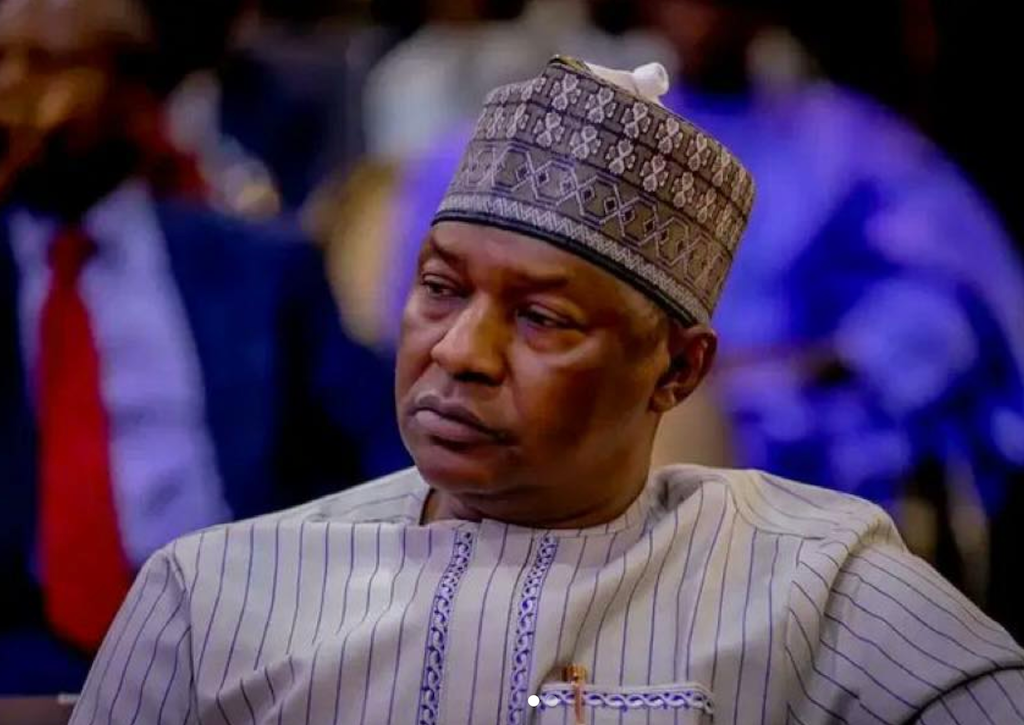
Malami Seeks to Vacate Interim Forfeiture of Assets
The former Attorney General of the Federation (AGF) and Minister of Justice, Abubakar Malami (SAN), has filed a motion at the Federal High Court in Abuja to vacate an interim forfeiture order on several properties linked to him. Malami contends that the assets were acquired through legitimate income and were fully disclosed in his asset declarations to the Code of Conduct Bureau (CCB) throughout his tenure in public office.
Legal Challenge to EFCC’s Order
Represented by a legal team led by Senior Advocate of Nigeria (SAN) Joseph Daudu, Malami accused the Economic and Financial Crimes Commission (EFCC) of obtaining the forfeiture order through the suppression of material facts. He argued that the anti-graft agency failed to inform the court that the properties in question were already part of his official record of assets.
The former minister is specifically contesting the temporary seizure of three key properties identified in the EFCC’s ex parte application filed on 6 January 2026:
A plot of land in the Nasarawa Government Reserved Area (GRA), Kano State.
A duplex with boys' quarters in Wuse II, Abuja.
A partially completed building allegedly held in trust for his late father’s estate.
Sources of Income and "Traditional Gifts"
In his court filings, Malami maintained that his cumulative earnings over his professional and public career sufficiently account for the acquisition of the properties. He detailed multiple lawful income streams, including:
Government salaries, estacodes, and severance benefits.
Sitting allowances from various judicial and presidential committees.
Business proceeds and income from book publications.
Loans and asset disposals.
Additionally, Malami noted that he received traditional gifts from friends and associates, asserting that such gestures are culturally recognized and legally permissible under Nigerian law.
Constitutional and Procedural Concerns
Malami’s legal team argued that the EFCC has failed to provide prima facie evidence linking the properties to proceeds of crime. They further contended that the interim forfeiture violates Malami’s constitutional rights to property ownership, the presumption of innocence, and a fair hearing.
The motion also claims that the valuations presented by the EFCC are "exaggerated and misleading." Furthermore, Malami’s lawyers raised the issue of overlapping legal actions, stating that several of the properties are already subjects of ongoing disputes in other courts, which complicates the current forfeiture proceedings.
Judicial Background
The dispute follows an earlier ruling by Justice Emeka Nwite, who granted the EFCC’s request for the temporary forfeiture of 57 properties allegedly associated with the former AGF. The court had directed the commission to publish the order, giving interested parties 14 days to show cause why the assets should not be permanently forfeited to the Federal Government.
Following Malami's challenge and other related applications, the matter has been reassigned to allow for thorough adjudication after the court’s vacation period. This case underscores the ongoing tension between the state's anti corruption powers and the constitutional protections afforded to former public officials under Nigerian law.
