
Makoko, Shogunle Demolition Halted: Lagos Assembly Sets Two-Week Reconciliation Timeline
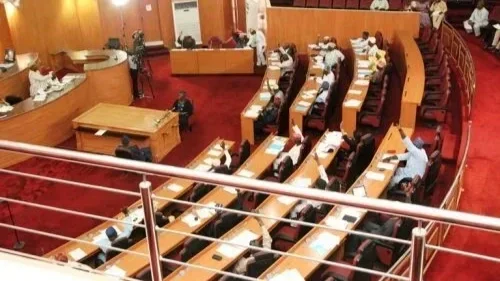
Lagos Assembly Advances Buffer Zone Policy, Suspends Demolition to Restore Peace
The Lagos State House of Assembly has suspended further demolition and construction activities in the Makoko and Shogunle waterfront communities pending the outcome of structured reconciliation talks with affected residents, with a two-week deadline attached to the process.
The resolution is part of a broader approach by lawmakers to address ongoing tensions that have emerged following recent demolition activities in the communities, which sit along critical urban corridors in the city of Lagos.
Assembly Adopts Setback Policy and Ban on Construction
In a meeting with community leaders and officials, the House adopted recommendations from the Special Adviser on E-GIS to Governor Babajide Sanwo-Olu, Dr Olajide Babatunde, establishing a 250-metre setback from the Third Mainland Bridge and an additional 250-metre buffer beyond the power line corridor. This measure effectively prohibits all forms of development within the designated zones until reconciliation is concluded.
The buffer policy aims to mitigate safety and planning concerns that have been central to Lagos State’s justification for previous enforcement actions. By codifying these spatial limits, lawmakers seek to provide clarity around acceptable land use while the reconciliation process unfolds.
Inclusive Committee Structure to Guide Reconciliation
The Assembly directed that each affected community form a 10-member committee to engage in structured dialogue with government representatives. Committees are required to include women, youth, students and traditional leaders, ensuring a broad cross-section of community stakeholders participate in resolving outstanding disputes.
Majority Leader Hon. Noheem Adams, speaking on behalf of Speaker Mudashiru Obasa, emphasised the importance of unity and collective decision-making in addressing residents’ concerns. He indicated that the committees are essential to achieving a lasting and peaceful solution.
Compensation and Relief Measures Underway
The Assembly noted that the State Executive Council is finalising compensation arrangements for residents whose properties were affected by prior demolition activities. While details of compensation frameworks remain under negotiation, local government authorities say relief materials and palliative support are being distributed in the interim to meet urgent needs.
The Chairman of the Yaba Local Council Development Area, Mr Bayo Adefuye, welcomed the Assembly’s resolutions and indicated that the reconciliation timeline appears achievable. He urged residents to cooperate with the process and cautioned community leaders against actions that could undermine the peacebuilding effort.
Balancing Urban Regulation and Community Stability
The Assembly’s intervention follows significant public and political debate over enforcement measures in Makoko and Shogunle, where demolition of unauthorized structures has been justified on safety and planning grounds. The buffer policy reflects a legislative attempt to balance regulatory objectives including clear land use standards and infrastructure protection with the need to stabilise community relations and address residents’ rights and livelihoods.
By embedding inclusive committees and a fixed reconciliation deadline into the process, lawmakers signal a shift toward collaborative urban governance, aiming to reduce conflict and support negotiated outcomes rather than unilateral enforcement.
A Moment for Negotiated Resolution
With demolition activities paused and comprehensive dialogue mechanisms now mandated, the next two weeks will be critical in shaping the future of the Makoko and Shogunle waterfronts. The Assembly’s approach prioritises inclusivity and structured engagement, while also establishing clear spatial parameters for future development.
For policymakers, urban planners, investors and community advocates, the outcome of this reconciliation process will provide important insights into how Lagos navigates the complex intersection of regulatory compliance, human settlement, and sustainable urban development in one of Africa’s largest metropolises.
