
Makoko Demolition Victims Seek Relocation as Sogunro Residents Demand ₦10m Compensation
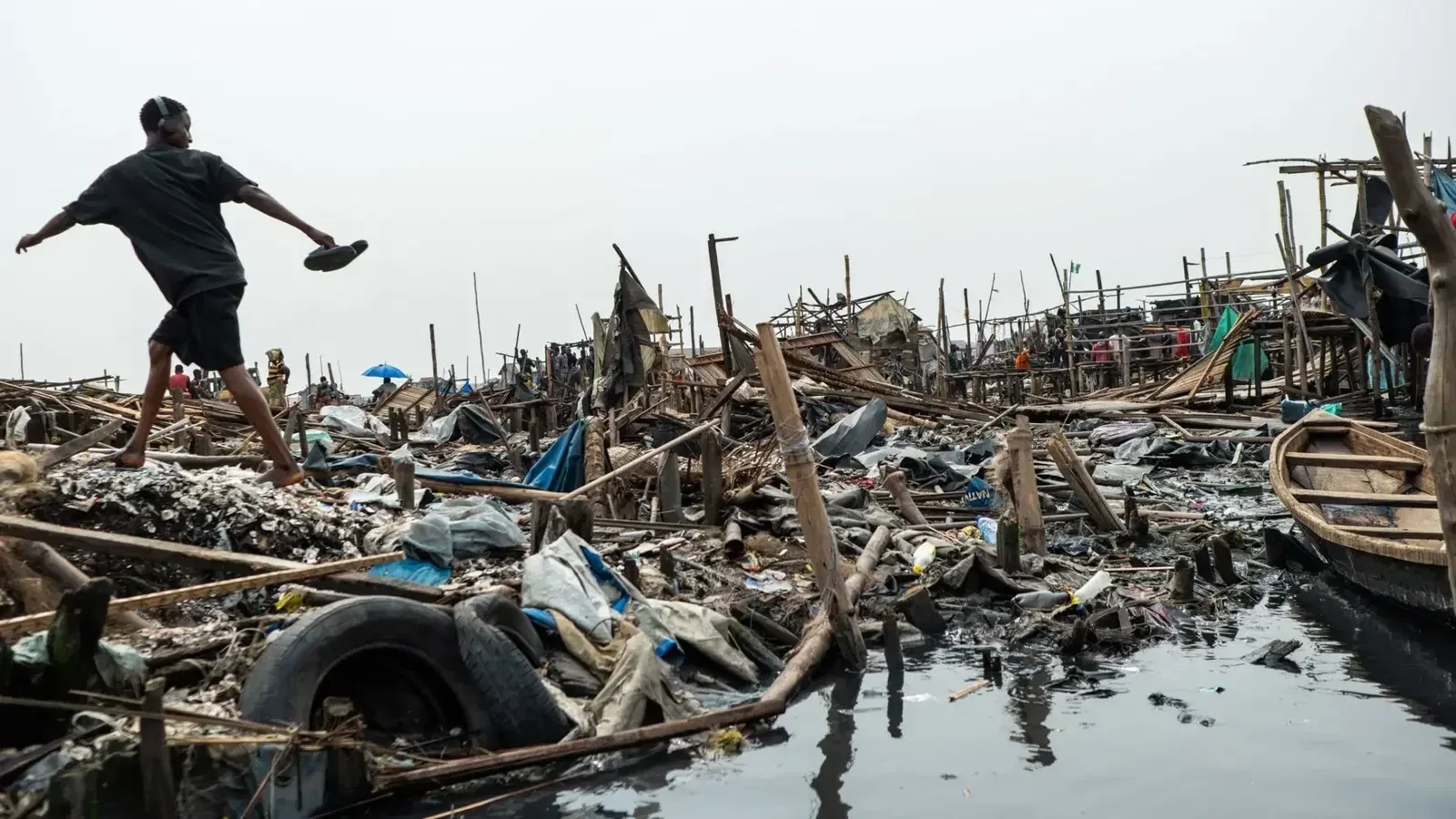
After Makoko Demolitions, Residents Seek Government Relocation and Compensation
Residents affected by recent demolition exercises in the Makoko waterfront area of Lagos State have appealed to the government for relocation and compensation following the destruction of homes and livelihoods.
Victims of the demolition say many families have been left homeless and are currently struggling to survive after the exercise destroyed houses, businesses and community infrastructure.
The residents, alongside members of the neighbouring Sogunro community, have called on the Lagos State Government to provide urgent relief, including relocation to safer areas and financial compensation for their losses.
Sogunro Residents Demand ₦10 Million Compensation
Leaders of the Sogunro community said many buildings were affected during the demolition exercise, prompting residents to demand compensation of ₦10 million per affected property owner.
According to community representatives, the compensation request reflects the value of properties, personal belongings and business investments lost during the demolition.
They also argued that the exercise was carried out with insufficient notice, leaving many residents unable to salvage their belongings before structures were pulled down.
Thousands Displaced by Waterfront Demolitions
The demolition in Makoko and surrounding waterfront communities has reportedly displaced thousands of residents, with homes, schools, churches and businesses destroyed.
Some displaced residents say they have been forced to seek temporary shelter in boats, open spaces and nearby communities after losing their homes.
Civil society organisations have criticised the exercise, warning that the demolitions have worsened poverty and homelessness among already vulnerable populations.
Government Defends Demolition Exercise
Officials of the Lagos State Government have previously defended the demolition, explaining that structures located within restricted zones particularly under high-tension power lines pose safety risks to residents.
Authorities argue that the clearance is necessary to enforce urban planning regulations and protect lives from potential hazards.
Despite this explanation, residents and advocacy groups insist that the exercise should have been preceded by adequate consultation, relocation arrangements and compensation.
Calls for Relief and Dialogue
Community leaders have urged the Lagos State Government to open dialogue with affected residents and establish a clear compensation and resettlement framework.
They say relocation support, financial compensation and humanitarian assistance are necessary to help displaced families rebuild their lives.
Human rights groups have also called for an immediate halt to further demolitions in affected waterfront communities until a comprehensive solution is reached.
Growing Debate Over Urban Renewal
The Makoko demolition has reignited debate about urban renewal policies in Lagos and the challenges faced by residents of informal settlements.
Critics argue that redevelopment efforts should prioritise inclusive planning that protects vulnerable communities, while government officials maintain that enforcement of planning laws is necessary to ensure public safety and sustainable urban growth.
For many displaced residents, however, the immediate concern remains finding shelter, rebuilding livelihoods and securing compensation for their losses.
