
Lekki Phase I dominates Lagos short-term rental market with ₦93.78bn revenue
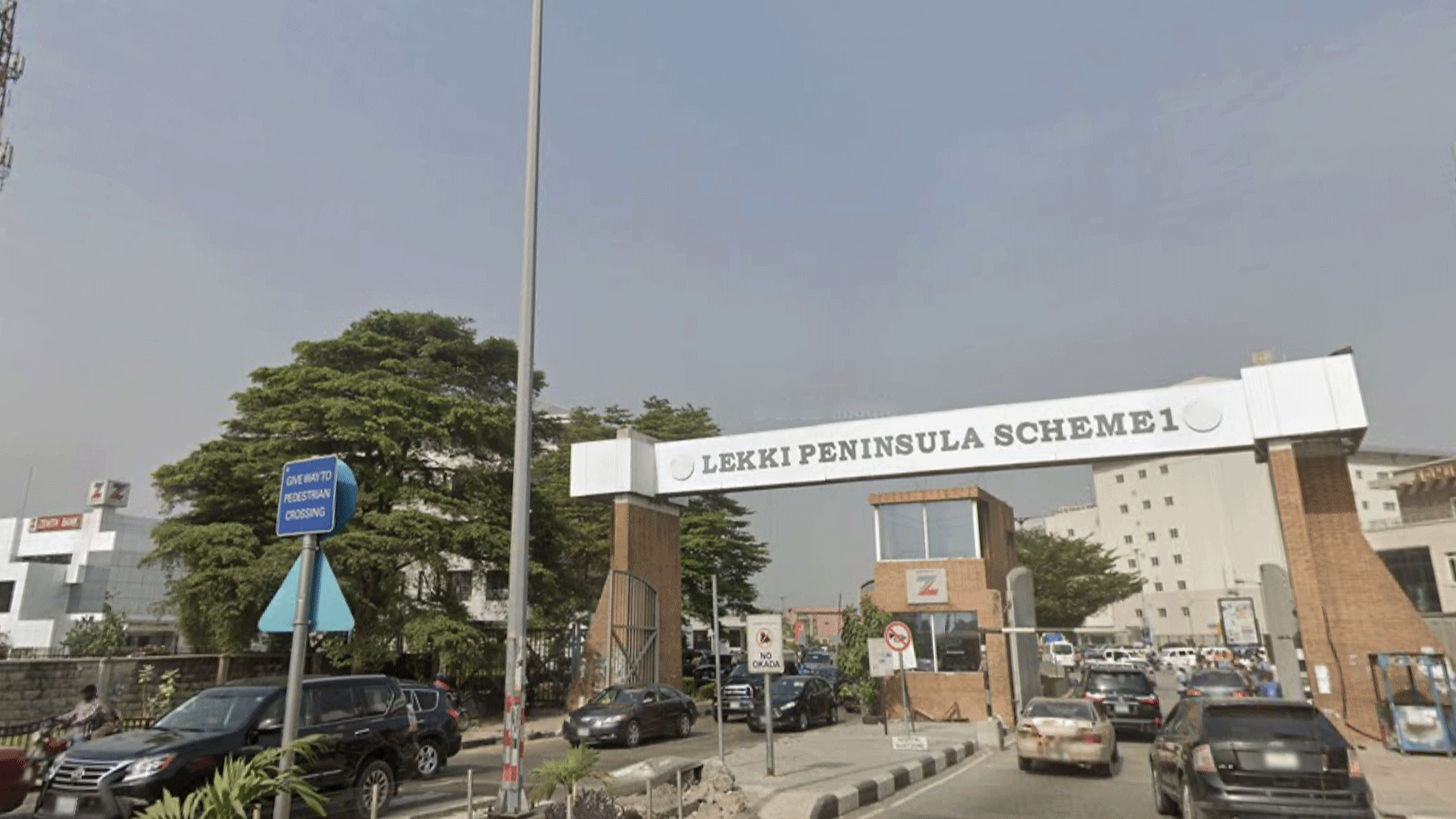
Lekki Phase I emerges as Lagos’ highest-earning shortlet hub in 2025
Lekki Phase I emerged as the highest-earning short-let submarket in Lagos in 2025, generating ₦93.78 billion in revenue, according to the Lagos Shortlet Market Report 2025 released by Edala Development.
The report tracked 6,398 short-term rental listings across Lagos, with more than 1,000 units located in Lekki Phase I, reinforcing the district’s position as a major hub for short-stay accommodation in the city.
Industry analysts attribute the strong performance to high demand from business travellers, tourists, and diaspora visitors seeking flexible accommodation options in prime urban locations.
Occupancy rates and pricing trends
The report shows that short-let apartments in Lekki Phase I maintained an average occupancy rate of about 66% during 2025, with daily rental rates averaging ₦226,000 across different property types.
Occupancy rates varied throughout the year, rising from 47% in January to a peak of 77% in April, before reaching 85% by December, reflecting seasonal demand patterns in Lagos’ hospitality market.
Pricing also varied significantly depending on property size and luxury level. For example:
One-bedroom apartments averaged about ₦111,000 per night
Five-bedroom villas reached approximately ₦377,000 per night
Short stays dominated booking patterns, with 56% of bookings lasting a single night and 29% lasting two nights, highlighting the market’s focus on short-term travellers.
Revenue performance across Lagos submarkets
While Lekki Phase I generated the highest revenue, other Lagos districts also recorded strong performance in the short-let sector.
According to the report:
Lekki Peninsula II generated ₦72.02 billion in 2025 revenue
Ikoyi recorded ₦35.99 billion
Victoria Island earned ₦34.81 billion
Ikeja generated ₦22.94 billion
However, some areas experienced declining revenues. Banana Island’s earnings dropped to ₦9 billion, while Surulere recorded ₦6.15 billion, reflecting changing demand patterns and increased competition within the market.
Lagos shortlet market reaches ₦281bn
Overall, Lagos’ short-let rental sector generated ₦281.03 billion in total revenue in 2025, up from ₦264.3 billion recorded in 2024, indicating continued expansion in the city’s alternative accommodation market.
The sector’s growth has been driven by several factors, including:
rising demand from corporate travellers
increasing tourism activity
growing interest from digital nomads
property investors seeking higher rental yields
Real estate analysts note that short-term rentals often provide significantly higher returns compared with traditional long-term leases.
Emerging trends in Lagos’ short-stay market
The report highlights several evolving trends shaping the market.
Demand is expanding beyond traditional prime districts such as Lekki, Ikoyi, and Victoria Island to mainland locations like Yaba and Gbagada, where lower property prices and proximity to technology hubs attract operators and guests.
Operators are also investing in professional property management, hospitality branding, and improved guest experiences to remain competitive as the number of listings increases.
Regulatory changes are also beginning to influence the sector. For example, restrictions on short-let operations in certain estates, including Banana Island, are altering the distribution of short-term rental activity across Lagos.
Outlook
The strong performance of Lekki Phase I highlights the growing importance of short-term rentals within Lagos’ broader real estate market.
For investors and property developers, the continued expansion of the short-let sector suggests increasing opportunities in high-demand neighbourhoods, particularly in districts that combine residential appeal with proximity to commercial, entertainment, and tourism hubs.
However, analysts note that as competition intensifies and regulatory oversight expands, long-term success in the market will depend on professional management, service quality, and compliance with emerging real estate policies.
