Forced Evictions in Lagos: Residents Lament Casualties and Loss of Livelihood in Makoko
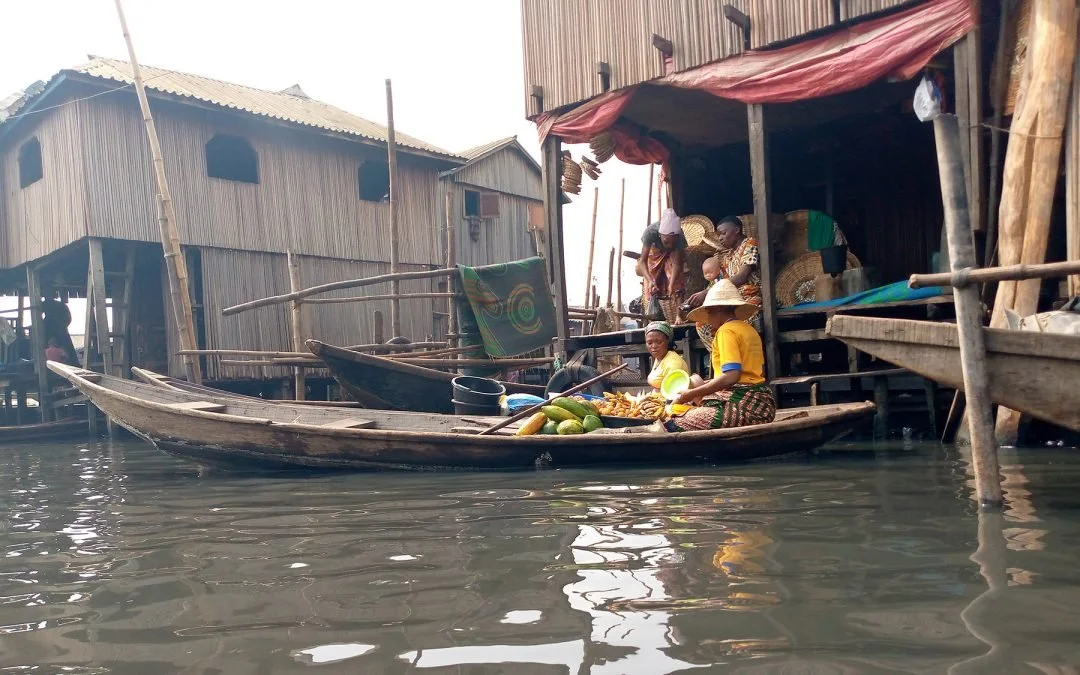
The demolition has severely affected the socio-economic fabric of the Makoko community, where residents have lived on stilts for generations
The Lagos State government has carried out an extensive demolition exercise in the Ilaje Aiyetoro area of Makoko, located within the Yaba Local Council Development Area (LCDA). This operation, occurring in early January 2026, has resulted in the displacement of thousands of residents from the historic waterfront community. While the state government cites urban development and safety concerns related to high-tension power lines as the rationale for the exercise, residents and civil society organisations have raised significant allegations regarding the use of force and the lack of adequate notice.
Impact on Housing and Livelihoods
The demolition has severely affected the socio-economic fabric of the Makoko community, where residents have lived on stilts for generations, primarily relying on fishing and small-scale trading. Reports from the scene indicate that many families are currently residing on boats, having lost their permanent shelters.
Displaced persons, including children, have been observed salvaging building materials and selling roofing sheets to scavengers to secure immediate liquidity. Residents allege that the government’s action exceeded the initially communicated boundaries. According to community members, the demolition extended beyond the 30-metre setback from power lines, reaching over 100 metres into the residential core of the waterfront.
Allegations of Force and Human Rights Concerns
Civil society organisations, including the Justice Empowerment Initiative and the Nigerian Slum/Informal Settlement Federation, have condemned the exercise. Community leaders allege that the task force employed the use of tear gas during the operation, which they claim led to casualties among vulnerable residents, including children.
The lack of formal notification is a central point of contention. Displaced residents, some of whom have lived in the area for over 40 years, state they were not given sufficient time to secure their belongings or arrange for alternative accommodation. This incident follows a similar exercise in Mile 12, where over 250 buildings were recently demolished, reflecting a broader trend of aggressive urban renewal across Lagos State.
Government Response and Regulatory Context
The Lagos State government has frequently maintained that demolitions are necessary to reclaim state land, remove structures under power lines, and facilitate the Lagos Master Plan for urban development. However, the Commissioner for Information and Strategy, Gbenga Omotosho, had not provided a formal response to the specific allegations regarding the Makoko exercise at the time of reporting.
Urban planning experts note that while clearing informal settlements is often framed as a safety or modernisation necessity, the absence of a resettlement framework creates significant social friction. The current situation in Makoko highlights a persistent gap in the state's urban renewal strategy: the lack of viable alternatives for displaced low-income populations.
Conclusion
The recent demolitions in Makoko have intensified the debate over the balance between urban modernisation and the protection of vulnerable communities. With thousands of people now without shelter and livelihoods disrupted, the incident underscores the urgent need for a more inclusive approach to urban planning in Lagos. Without the implementation of formal resettlement schemes, these exercises risk deepening the housing deficit and social inequality in Africa’s largest megacity.