
Lagos Rent Crisis: Macroeconomic Toll of Unaffordable Housing Intensifies Structural Risk
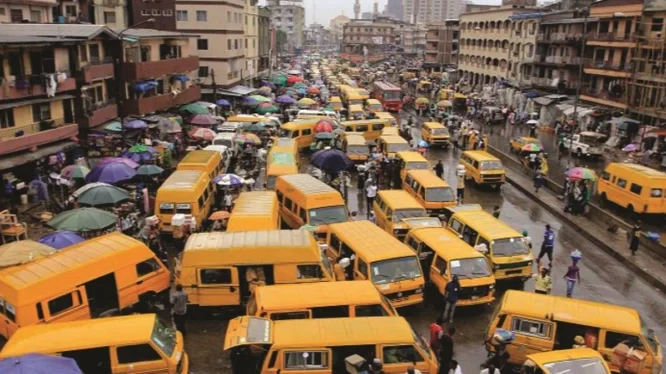
Lagos Housing Affordability Crisis Turns Into Systemic Economic Risk
Lagos’s housing market has shifted from a cost-of-living challenge into a macroeconomic risk factor, with working and middle-income households routinely spending an unsustainable share of income on rent. Disproportionate shelter costs are compressing consumer spending, eroding productivity and undermining broader economic growth prospects in Nigeria’s largest city.
Housing Affordability in Lagos: A Structural Crisis
Lagos is emblematic of how an overheated housing market can extend beyond individual hardship to affect broader economic performance. Affordability has deteriorated to the point where households are spending 50– 70 per cent of income on rent, far above the globally recommended threshold of 30 per cent. This pattern is symptomatic of structural dysfunction, not a temporary spike.
Behavioural and economic indicators show that high shelter costs have two direct macroeconomic implications: lost consumer demand as income is diverted from goods and services and diminished labour productivity, tied to longer commutes and housing instability.
Scale of the Housing Deficit and Rental Burden
Housing Shortfall Drives Up Rents
The State of Lagos Housing Market Report (Vol. 3) estimates a housing deficit of roughly 3.4 million units, with more than 70 per cent of Lagos residents renting rather than owning. Supply constraints have outpaced rapid population growth and urbanisation, creating excess demand that pushes rents upward.
Data from regional rent indices show Lagos ranked as the most expensive African city to rent a home in 2026, reflecting sustained pressure on housing costs relative to major global urban centres. In parts of the city, luxury and middle-tier rents have risen sharply, with three-bedroom apartments in affluent neighbourhoods like Ikoyi commanding annual rents approaching ₦25 million.
Income Pressure and Core Budget Constraints
Separate surveys report that a large share of Nigerian workers spend at least 40 per cent of income on rent and related housing costs, a level experts deem unsustainable. With wages lagging behind inflation and essential living costs, housing expenditure crowds out other consumption and savings, weighing on household balance sheets and aggregate demand.
Macroeconomic Impact and Productivity Losses
Housing cost distortions in Lagos extend into Nigeria’s national economic structure:
Weakening Consumer Demand: High rent burdens reduce disposable income, dampening spending on goods and services that drive retail, transport and essential sector growth.
Labour Mobility and Productivity: A crowded housing market forces workers into peripheral areas with longer commutes, raising transport costs and reducing productive work hours.
Financial Strain on Households: When staple expenses absorb a disproportionate share of income, households defer investments in education, health, and entrepreneurship sectors essential to long-term economic resilience.
Underlying Drivers and Policy Challenges
Supply Shortages and Market Structure
Strong demand from a rapidly growing population has outstripped the supply of affordable housing. Rapid urbanisation without commensurate new housing stock contributes directly to the strain on rents. Compounding this, a mismatch between housing supply and income levels pushes many Lagos residents into rental markets that are structurally mismatched with their economic capacity.
Financing and Construction Costs
High costs for construction materials and finance limit developers’ capacity to build affordable units. Exchange-rate volatility and interest rates add further pressure, raising costs that are passed directly to tenants. (Analysis informed by rental market research and housing cost drivers.)
Policy Gaps in Affordable Housing
Despite repeated calls from advocates for stronger policy action including reform of tenancy law and greater public investment in affordable housing regulatory and enforcement gaps persist. Previous legislative resolutions have emphasised the need to curb arbitrary rent hikes, but implementation remains inconsistent.
Broader Implications for National Development
Lagos accounts for a significant share of Nigeria’s economic activity, and distortions in its housing market carry national implications:
Aggregate Consumption Declines: When would-be consumers devote disproportionate income shares to housing, domestic demand contracts, negatively influencing GDP growth.
Investment Decisions: Persistent unaffordability can distort investment decisions, shifting capital away from productive sectors into real estate speculation.
Inequality and Social Mobility: High living costs disproportionately affect low- and middle-income groups, deepening inequality and limiting socioeconomic mobility.
Economists caution that without targeted interventions combining affordable housing supply, finance reform and land use optimisation structural pressure on housing will continue to erode both individual welfare and macroeconomic performance.
Lagos’s extreme housing costs illuminate how rent dynamics can morph into a macroeconomic constraint with far-reaching consequences. With workers allocating half or more of their income to shelter, the resulting loss in consumer demand and productivity poses a systemic challenge to Nigeria’s broader growth trajectory.
Addressing this issue requires integrated housing policy, expanded affordable housing supply, and financial instruments that align with income realities. Failing to tackle the housing affordability crisis could constrain economic resilience, weaken aggregate demand and hinder efforts to build an inclusive and sustainable urban economy.
