
Lagos Rent Crisis Deepens as Residents Demand Regulatory Controls and Long Term Housing Solutions
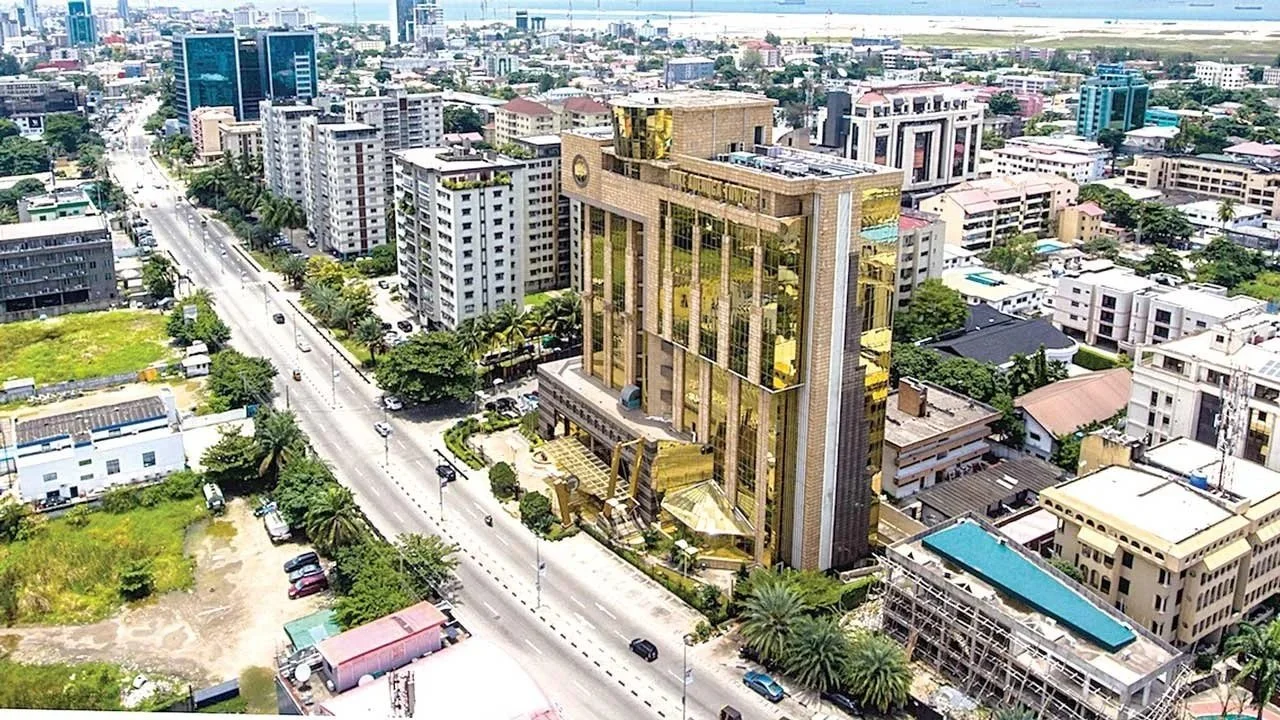
Rent Surges in Lagos Prompt Calls for Regulation and Housing Reform
Residents across Lagos are increasingly alarmed by rapid rent escalations that are consuming a growing share of household income, prompting calls for stronger legislative and executive interventions to address deepening housing affordability challenges. Tenants and housing advocates are urging policymakers to introduce rent controls, formal oversight of rental charges, and expanded housing supply to alleviate growing financial strain.
Rising Rents and Household Burden
A recent housing market assessment revealed that many Lagos households now spend between 50 % and 70 % of their income on rent, significantly above the internationally recommended threshold of 30 %. This trend reflects structural imbalances in the supply and affordability of housing across the city.
Tenants report substantial annual rent increases, with some renewal rates exceeding previous amounts without corresponding improvements in living conditions. Young professionals and recent graduates describe difficulty securing affordable accommodation, with some forced to relocate to neighbouring states and endure long commutes to work because Lagos rents are unattainable on typical income levels.
Calls for Policy and Legislative Reform
A prominent House of Assembly aspirant, Ayodele Adio, characterised the situation as a “rent crisis” and proposed proposals to introduce regulatory frameworks to stabilise the market. These include:
Tying annual rent increases to official inflation rates from the National Bureau of Statistics to limit excessive hikes.
Capping agency and legal fees to a maximum of five per cent of annual rent.
Requiring a minimum 12-month notice before any rent adjustment.
Restricting rent reviews to once every three years during a tenancy agreement.
Adio also urged regulators to impose oversight on short-term rental platforms such as Airbnb, which policymakers argue may be contributing to the reduction of long-term rental stock by diverting properties into short-let markets.
Deeper Structural Challenges
Housing affordability in Lagos is underpinned by deeper market dynamics that constrain supply and drive up costs. High land prices, escalating construction costs, and expensive financing continue to limit the delivery of affordable homes at scale, particularly for low- and middle-income households. Analysts and community leaders argue that without expanded housing supply, rent pressures will persist regardless of regulatory controls.
These issues align with long-standing academic and market observations that Lagos’s housing stock especially informal rental units suffers from supply shortages, weak financing options, and significant barriers to developing new housing at scale.
Economic and Social Impacts
Uncontrolled rent increases have measurable socio-economic consequences. As households divert large portions of income to housing, disposable income for savings, consumption, and investment diminishes, placing downward pressure on economic mobility and contributing to inequality within the city. These effects can ripple across local businesses and services reliant on consumer spending.
For example, some Lagos homeowners and renters report rent hikes well beyond official inflation data, pushing households into tighter budgets and more precarious financial positions that constrain labour mobility and overall quality of life.
Policy Outlook and Long-Term Solutions
Experts emphasise that regulatory and legislative solutions, while potentially alleviating short-term pressures, must be paired with robust housing supply strategies to achieve sustainable impact. This includes public-private partnerships for affordable housing, mortgage reforms, and incentives for large-scale residential development.
Housing affordability challenges in Lagos are increasingly recognised as central to broader urban policy debates, especially as the city continues to grow rapidly and attract internal migration. Policymakers and investors monitoring these trends will likely view the proposed controls as part of a broader effort to balance social inclusion with urban competitiveness.
The Lagos rent crisis driven by escalating costs, chronic housing shortages, and limited regulatory safeguards has reached a critical point where residents are seeking structured policy responses. Calls for rent caps, formal oversight of fees, and incentives for housing delivery underscore deep structural issues in the housing market. Long-term solutions will require coordinated public action, regulatory innovation, and sustained investment to expand supply and restore affordability for millions of Lagos residents.
