
Lagos Real Estate Market Signals Resilience and New Growth Frontiers for Investors
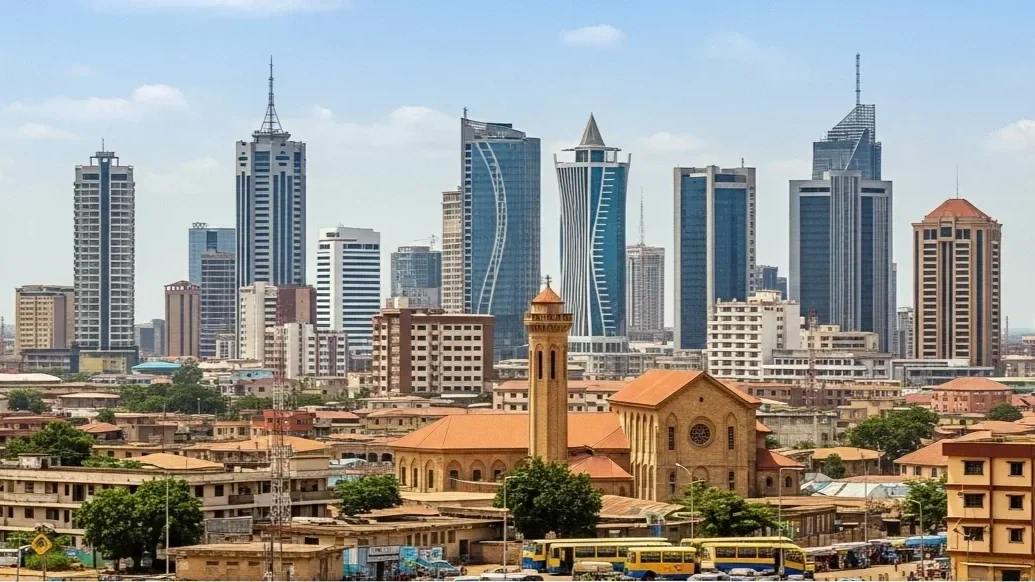
The Lagos property market is undergoing a significant transition, creating a fresh wave of opportunities for local and international investors despite prevailing macroeconomic headwinds. According to market analysts and industry reports, the demand for high-quality residential and commercial spaces remains robust, driven by urbanisation, a growing middle class, and a strategic shift toward peripheral locations.
Strategic Shift to Emerging Hubs
While traditional high-end markets like Ikoyi and Victoria Island maintain their status, there is a notable pivot toward emerging nodes such as Lekki Phase 2, Epe, and Ibeju-Lekki. These areas are benefiting from large-scale infrastructure projects, including the Lekki Free Trade Zone and the Dangote Refinery. Investors are increasingly targeting these regions for long-term capital appreciation, as entry prices remain lower compared to the city’s central business districts.
Residential Demand and Rental Yields
According to data from real estate firms, the deficit in affordable and mid-market housing continues to provide a safety net for investors. The rental market in Lagos has remained resilient, with high occupancy rates in serviced apartments and short-let apartments. This trend is fueled by a mobile workforce and a preference for flexible living arrangements among young professionals. Consequently, rental yields in these segments are outperforming traditional long-term leases in several jurisdictions.
Institutional Investment and Infrastructure Impact
The Nigerian real estate sector is seeing increased interest from institutional investors and Real Estate Investment Trusts (REITs). This influx of capital is being directed toward Grade-A office spaces and retail developments that meet international standards. Furthermore, the Lagos State Government’s commitment to improving transportation infrastructure, such as the Blue and Red rail lines, is expected to unlock value in previously underserved neighborhoods, making them more attractive for residential development.
Challenges and Future Outlook
Despite the positive trajectory, the market faces challenges including high construction costs, fluctuating exchange rates, and inflationary pressures. However, experts suggest that the inherent demand for housing in Africa’s most populous city provides a hedge against these risks. Looking ahead, the Lagos property market is poised for a period of qualitative growth, where sustainable developments and technology-driven real estate solutions will likely define the next phase of investment success.
