
Lagos Intensifies Crackdown on Unapproved Buildings, Extends Enforcement Beyond Lekki
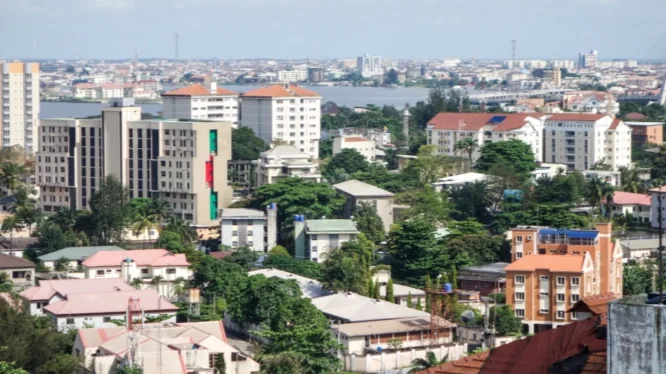
State Expands Enforcement of Building Regulations Across Lagos to Curb Illegal Developments
The Lagos State Government has expanded its enforcement campaign against unapproved buildings and real estate developments, extending compliance actions beyond the Lekki corridor to other parts of the metropolis as part of efforts to uphold physical planning laws, safeguard structural safety, and protect public infrastructure. The move reflects a sustained regulatory push to ensure that all developments meet statutory standards and obtain necessary approvals before construction commences.
Scope of Enforcement: Sealing and Demolition Operations
The intensified campaign follows a government audit that identified dozens of estate developments and building projects across the state including in Eti-Osa, Ajah, Ibeju-Lekki, Epe and parts of Lagos Island as operating without approved layout plans or planning permits. Authorities have since moved to seal and, in some cases, demolish unlicensed structures and issue enforcement notices to property developers who fail to regularise their documentation.
The enforcement targets a range of illegal developments, including residential estates and individual building projects that lack mandatory layout approvals and statutory permits under the Lagos State physical planning and development framework. Developers previously received a compliance ultimatum, but many failed to secure approvals within the stipulated timelines, prompting escalated enforcement.
Regulatory Rationale and Urban Planning Standards
Lagos’ regulatory stance is anchored in the Lagos State Urban and Regional Planning and Development Law, which prohibits construction without a valid planning permit and empowers authorities to take enforcement actions including sealing sites, issuing fines, and ordering demolition against structures deemed illegal or non-compliant.
The state’s Office of Physical Planning and Urban Development, working with the Lagos State Physical Planning Permit Authority (LASPPPA), has underscored that compliance with layout approvals and building permit procedures is essential for structural safety, environmental sustainability, land use orderliness, and infrastructure integration.
Officials have reiterated that the enforcement exercise is not limited to a single corridor; rather, it will extend to all areas of Lagos where developments are found to be operating outside established planning standards. The government’s broader objective is to embed a culture of compliance and support sustainable urbanisation in one of Africa’s fastest-growing megacities.
Implications for Developers and Property Owners
Property developers and individual building owners are now facing heightened regulatory scrutiny. Those with unapproved structures risk having their sites sealed, halted, or demolished, and may also be required to regularise documentation retroactively, which can involve delays, fines, and adjustments to project timelines.
Experts in urban development note that Lagos’ enforcement drive aligns with best practices in orderly development and risk management. Contextual challenges such as building collapses in past years have underscored the importance of strict compliance with planning and construction regulations to mitigate hazards and protect lives and property.
However, the enforcement push may also have short-term market implications. Developers with projects underway may face cost reversals or delays if sites are shut down for non-compliance. Investors and homebuyers could encounter uncertainty where projects are affected by enforcement actions, emphasising the importance of due diligence and regulatory compliance in the property sector.
Policy Context and Urban Governance
Lagos’ renewed enforcement drive is part of a wider governance strategy to strengthen urban planning compliance and curb the proliferation of unregulated structures that undermine planned spatial development. The state’s approach is consistent with a growing emphasis on land use governance, infrastructure protection and environmental stewardship.
By reinforcing planning standards and extending enforcement beyond previously targeted districts such as Lekki, the government seeks to promote structural integrity, environmental resilience and sustainable growth across the broader Lagos metropolitan area.
Conclusion: Enforcement as a Pillar of Urban Order
The Lagos State Government’s escalation of enforcement against unapproved buildings involving sealing orders, demolitions and compliance directives reflects a firm regulatory posture towards maintaining orderly development in the city. For developers, property owners and urban stakeholders, the message is unequivocal: building without proper authorisation is untenable and subject to decisive government action.
As enforcement extends beyond Lekki to other emerging and established neighbourhoods, the emphasis on regulatory compliance, urban safety and sustainable land use planning will likely shape how Lagos’ built environment evolves in the coming years.
