
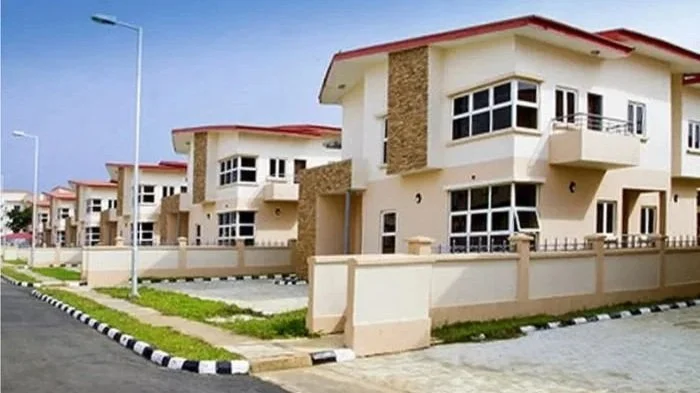
Rising Demand Pushes Lagos Rental Prices Higher
Residential rents in Lagos continue to increase as demand for housing outpaces the supply of available residential units in Nigeria’s commercial capital.
A recent property market report by global real estate consultancy Knight Frank shows that rental prices across Lagos rose during the second half of 2025, even though Nigeria’s headline inflation moderated during the same period.
The findings indicate that strong demand for accommodation, combined with a limited supply of formal residential housing, remains a key factor sustaining upward pressure on rental prices.
Strong Demand Meets Limited Housing Supply
According to the report, Lagos’ rental market is characterised by structurally constrained housing supply, meaning the number of available residential units remains insufficient to meet demand from the city’s rapidly growing population.
This imbalance has continued to drive rental growth in several parts of the city, particularly in neighbourhoods with strong economic activity and good infrastructure.
Despite easing inflation during the review period, the shortage of housing stock has maintained affordability pressures for many residents seeking accommodation in the city.
Population Growth Intensifies Housing Pressure
Lagos, Nigeria’s largest city and economic centre, continues to attract migrants from across the country in search of employment and business opportunities. The rapid population expansion has intensified demand for housing across both the mainland and island districts.
However, the pace of housing development has struggled to keep up with this demand. As a result, the gap between available housing and the number of residents seeking accommodation continues to widen.
Industry analysts note that this structural supply deficit is a key reason why Lagos remains one of Nigeria’s most expensive rental markets.
Government Housing Interventions
Authorities at both federal and state levels have introduced initiatives aimed at expanding housing supply and improving access to housing finance.
Public-private partnerships between developers and the Lagos State Government helped deliver approximately 653 residential units during the review period, according to the report.
In addition, federal housing programmes such as the Renewed Hope Housing Programme are expected to contribute additional residential units. Around 2,000 housing units are nearing completion in Ibeju-Lekki under the initiative.
Mortgage financing initiatives are also being introduced to improve homeownership access, including long-term housing loans under the Ministry of Finance Incorporated Real Estate Investment Fund.
Changing Rental Demand Patterns
Looking ahead, analysts expect demand to increasingly focus on smaller and more affordable housing units.
Studio apartments and one-bedroom units in mid-market districts such as Yaba and Surulere are expected to experience the fastest absorption rates due to their relatively lower rental costs.
These housing types are particularly attractive to young professionals and middle-income earners seeking affordable accommodation within the city.
Infrastructure Development May Influence Supply
Future housing supply is likely to follow major infrastructure developments across Lagos.
Projects such as the Lagos-Calabar Coastal Highway and ongoing development along the Epe corridor are expected to open up new residential areas and encourage property development in previously peripheral locations.
Improved connectivity in these areas could gradually expand housing supply and reduce pressure on existing residential districts.
Outlook
Lagos’ rental market reflects broader structural challenges in Nigeria’s housing sector, where demand for accommodation continues to outpace available supply.
Unless housing development accelerates significantly, analysts expect rental prices in Lagos to remain on an upward trajectory in the coming years.
For policymakers and real estate investors, the central challenge will be expanding housing supply while maintaining affordability in one of Africa’s fastest-growing urban economies.
