
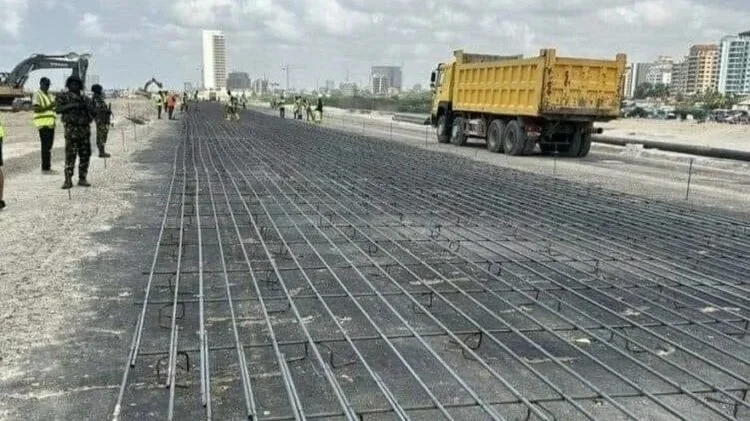
Displaced Residents Demand Fair Compensation Along Lagos Calabar Highway Route
Homeowners and residents affected by the Lagos Calabar Coastal Highway project have staged protests against planned evictions, citing violations of fundamental rights and inadequate compensation processes. The demonstrators are calling for the Federal Government to halt demolition activities until a comprehensive resettlement plan and fair valuation of properties are established in accordance with international best practices.
Legal and Human Rights Concerns in Infrastructure Development
The ongoing friction between the Federal Ministry of Works and property owners along the 700 kilometre coastal highway corridor highlights a critical tension in Nigeria’s infrastructure expansion. Residents argue that the current eviction notices do not provide sufficient lead time or transparent documentation. According to reports from Housing TV Africa, the protesters maintain that the planned demolitions infringe upon their right to shelter and property ownership as guaranteed under the Nigerian Constitution and the African Charter on Human and Peoples' Rights.
The primary point of contention involves the realignment of the road's Right of Way (RoW). While the government asserts that the project is vital for national economic growth, affected stakeholders claim that the shifts in the route have disproportionately impacted established residential communities. These property owners are demanding a public disclosure of the environmental and social impact assessments (ESIA) to justify the current path of the highway.
Compensation Frameworks and Valuation Disputes
A major hurdle in the execution of the Lagos-Calabar Coastal Highway is the dispute over the adequacy of compensation. The Federal Government has previously committed to paying ₦2.75 billion in compensation to various claimants, yet many homeowners argue that these figures do not reflect current market realities or the cost of replacement in the Lagos real estate market.
Infrastructure analysts suggest that for projects of this magnitude, the government must adopt a more rigorous and inclusive valuation process. Professional bodies, such as the Nigerian Institution of Estate Surveyors and Valuers (NIESV), have often emphasized that compensation should cover not only the value of the structure but also the loss of livelihood and the cost of relocation. The lack of a clear resettlement action plan (RAP) remains a significant grievance for those facing displacement.
Impact on Housing Supply and Urban Stability
The demolition of residential properties along the coastal corridor has direct implications for housing supply in the affected regions. In a country already facing a housing deficit exceeding 20 million units, the displacement of thousands of residents without immediate alternatives places additional pressure on urban centres.
Policymakers face the challenge of balancing the long term economic benefits of a trans-regional highway intended to stimulate trade and tourism with the immediate social cost of community disruption. The protests underscore the need for a more collaborative approach to land acquisition, where stakeholders are engaged early in the design phase to minimize the destruction of existing housing stock.
Conclusion
The protests along the Lagos Calabar Coastal Highway route represent a pivotal moment for infrastructure governance in Nigeria. The resolution of these grievances will likely set a precedent for future Public Private Partnerships and large scale engineering projects. For the government to maintain its project timelines, it must address the legal and financial concerns of homeowners through transparent dialogue and equitable compensation. A forward looking perspective suggests that integrating robust social safeguards into infrastructure planning is essential for ensuring that national development does not come at the expense of urban housing stability.
