
Lagos Airport Tollgate Experiences Disruption as FAAN Enforces Cashless Payment Policy
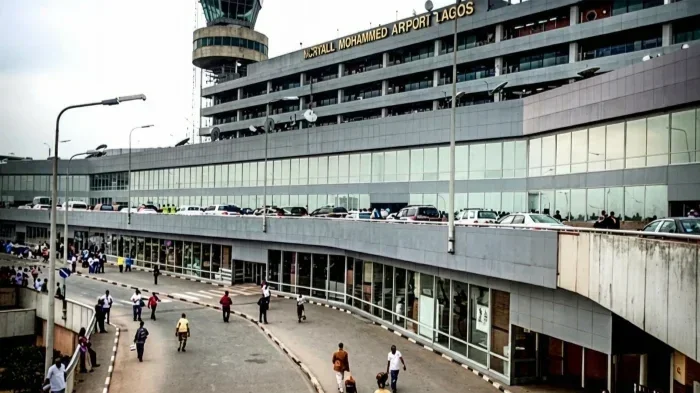
Cashless Toll Enforcement at Lagos Airport Highlights Implementation Challenges
The Federal Airports Authority of Nigeria’s (FAAN) full enforcement of a cashless toll payment policy at the Murtala Muhammed International Airport (MMIA) in Lagos has led to significant traffic congestion and operational delays at the airport’s main tollgate, disrupting vehicular access and stranding passengers amid transitional challenges.
Policy Implementation and Immediate Impact
Effective 1 March 2026, FAAN ceased the acceptance of cash at airport toll gates, mandating that all motorists and airport users make payments with prepaid access cards or other electronic channels to access the airport complex. This policy forms part of FAAN’s broader “Go Cashless” initiative, aligned with federal directives to digitise revenue collection across government agencies.
Despite advance notices and registration points for the new payment cards, the immediate enforcement resulted in long queues of vehicles stretching back from the tollgate into surrounding access roads. At MMIA, motorists unfamiliar with the new system or lacking prepaid cards were forced to register on the spot, scan QR codes, or process payments via slow Point-of-Sale (POS) terminals, further prolonging delays.
Operational Challenges and Public Response
Operational hiccups on the first day of enforcement included network failures and processing delays. According to ground reports, many drivers waited over an hour to complete transactions through the new electronic system, with some travellers missing scheduled flights or abandoning their vehicles in frustration.
Motorists described the rollout as poorly timed and inadequately supported by transition measures. Affected users noted that while the policy’s intention to streamline transactions and reduce cash-related inefficiencies is commendable, its abrupt implementation at a high-traffic transport hub introduced avoidable delays without sufficient infrastructure readiness.
FAAN’s Rationale and Institutional Response
FAAN officials, including its Director of Public Affairs and Consumer Protection, have defended the policy’s long-term benefits, emphasising its objective to block revenue leakages, improve financial transparency, and align with a national cashless economy strategy. FAAN reiterated that prepaid access cards are issued at no upfront cost, with subsequent balance loads used to pay access fees.
The agency has urged frequent airport users to obtain and preload their cashless cards ahead of travel to minimise future disruptions. FAAN also deployed additional personnel and expanded registration support near access points to ease congestion following initial implementation challenges.
Broader Implications for Transport and Revenue Modernisation
The traffic disruption at Lagos’s busiest airport underscores the complexities of digitising revenue streams in environments with high peak volumes and varied user preparedness. While digital payment systems can improve accountability and transaction efficiency, their success depends on robust connectivity, public awareness, and seamless user experience.
For policymakers and transport authorities, the transition highlights the need for phased implementation strategies in critical infrastructure zones where timing and operational continuity are essential. Effective communication and contingency planning will be key to ensuring that digital reforms enhance service delivery without disrupting mobility or eroding user confidence.
FAAN’s enforcement of a cashless tollgate policy at MMIA has drawn mixed reactions, with long queues and operational delays dominating initial reports. While the initiative aligns with national digitisation goals and seeks to strengthen revenue collection frameworks, its rollout has revealed practical challenges in real-time adoption among airport users.
Moving forward, augmented sensitisation campaigns, technical support, and incremental system refinement will be essential to fully realise the intended benefits of a cashless payment regime at Nigeria’s busiest airports, balancing reform ambitions with operational realities.
