
Kano State Sets Up 23-Member Committee to Disburse ₦8 Billion to Singer Market Fire Victims
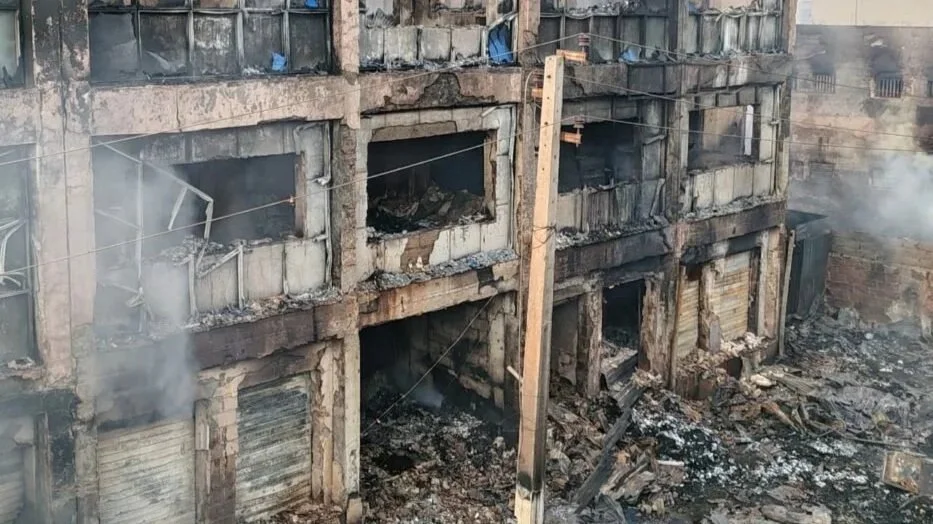
Kano Government Inaugurates Committee to Disburse ₦8 Billion to Singer Market Fire Victims
The Kano State Government has inaugurated a 23-member high-level committee to oversee the equitable disbursement of ₦8 billion in financial support and relief materials for traders affected by the devastating Singer Market fire in Kano. The initiative aims to restore livelihoods and support post-disaster recovery for hundreds of small and medium-scale operators whose businesses were damaged or destroyed.
Background of the Singer Market Fire
The Singer Market inferno one of the busiest commercial hubs in northern Nigeria erupted in mid-February 2026, affecting several densely packed sections of the market and destroying merchandise and business infrastructure valued at billions of naira. The disaster affected more than 1,000 shops, disrupting trading activities and undermining the economic stability of thousands of traders and their dependents.
In response, the federal government, under President Bola Tinubu, approved ₦5 billion in palliative support for the victims, while the Progressives Governors Forum committed an additional ₦3 billion, bringing the total intervention package to ₦8 billion.
Composition and Mandate of the Relief Committee
The committee chaired by the Secretary to the State Government (SSG), Alhaji Umar Faruq includes representatives from key government ministries, emergency management agencies, security services, the Nigeria Police Force, the Department of State Services, the Kano Emirate Council, religious leaders and traders’ representatives.
Its principal responsibilities are to:
Conduct a detailed assessment of losses suffered by traders, including goods and business capital destroyed.
Verify and register bona-fide victims eligible for cash assistance and relief materials.
Develop and implement a transparent framework for disbursing funds in a fair and accountable manner.
Engage with stakeholders and the media to enhance public trust and oversight during the relief process.
Economic and Social Impact
The Singer Market fire has had far-reaching economic consequences beyond the immediate loss of goods and infrastructure. The market serves as a critical node in the commercial network of northern Nigeria, with linkages to supply chains in textiles, food staples, household goods and logistics. Losses incurred by traders reverberate through wholesalers, transporters and manufacturers who supply inventory across regional markets.
Traders’ associations have emphasised the urgency of rapid relief distribution, noting that many affected operators lack formal insurance and rely on daily turnover to support their families. Delays in assistance can push small business owners into insolvency and deepen poverty among vulnerable households.
Safety and Prevention Measures
Beyond financial support, the committee’s scope includes evaluation of fire safety challenges within the Singer Market and proposing measures to prevent future outbreaks. Recurring market fires in Kano have been linked to factors such as overcrowding, poor electrical installations and limited access for emergency responders underscoring the need for improved safety regulations and infrastructure investments.
The establishment of a dedicated relief committee to manage the ₦8 billion intervention fund marks a structured response to one of Kano’s most destructive market fires in recent years. As the committee proceeds with damage assessment and beneficiary verification, its effectiveness will be crucial in restoring business activity, protecting economic stability and rebuilding community resilience in the aftermath of the disaster.
