
Jigawa Government Approves ₦853 Million Purchase of 86 Housing Units for Public Servants
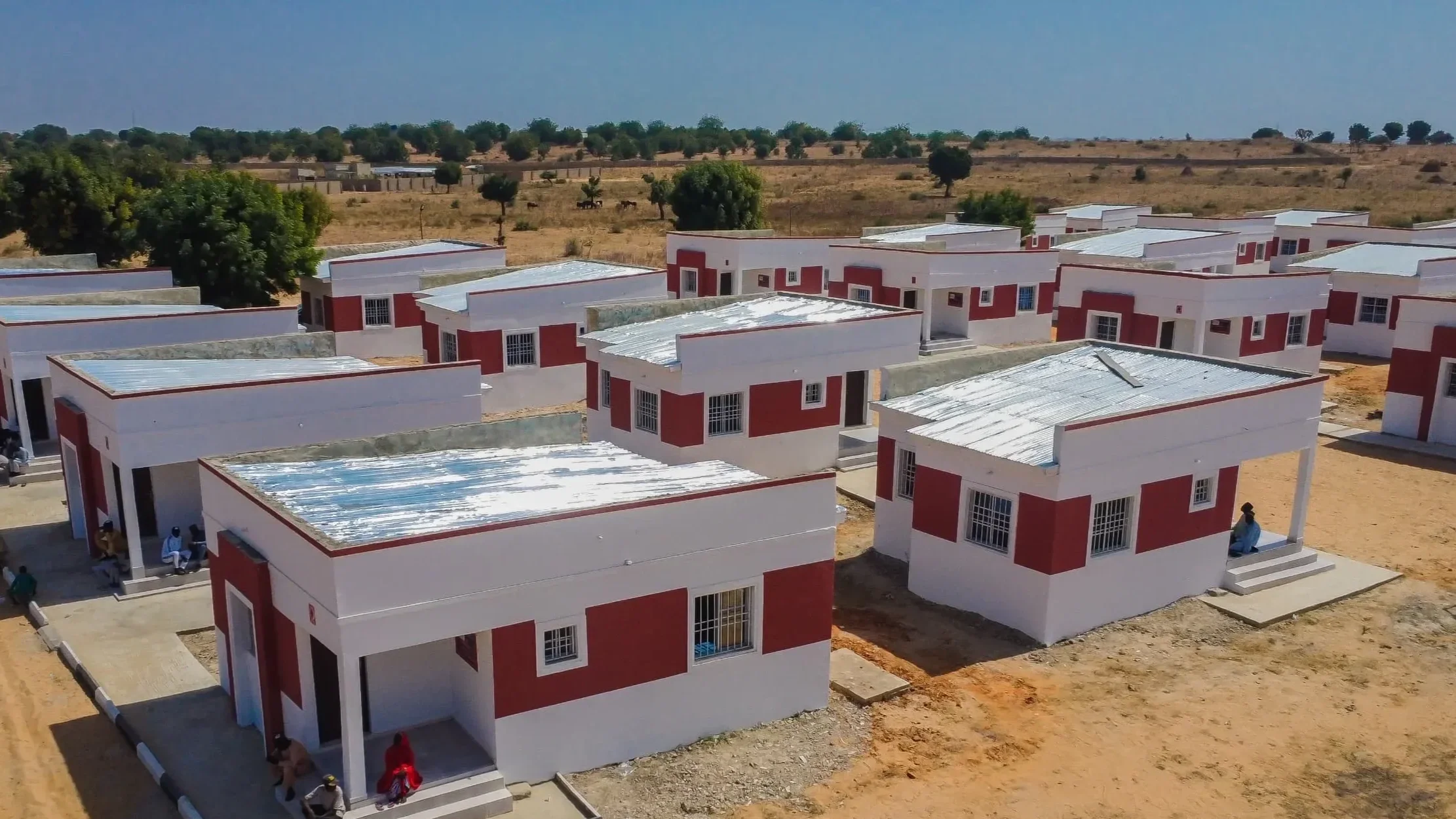
Jigawa Strengthens Worker Welfare Through Strategic Housing Acquisition
The Jigawa State Executive Council has approved ₦853 million for the purchase of 86 housing units to support public servants and other eligible beneficiaries, the State Commissioner for Information, Youth, Sport and Culture, Mr Sagir Musa, disclosed after a council meeting in Dutse on 4 March 2026. The acquisition forms part of broader efforts to address accommodation challenges and expand access to affordable housing across the state.
Strategic Housing Acquisition and Purpose
The council’s approval covers the procurement of the 86 housing units from the Federal Ministry of Housing and Urban Development at a total cost of ₦853,138,929.56. The initiative aims to mitigate accommodation challenges faced by public sector employees and other beneficiaries in Jigawa State, reflecting a targeted intervention within the state’s housing policy framework.
This acquisition aligns with Governor Umar Namadi’s 12-Point Agenda on housing and urban development, which emphasises decent shelter provision, reduction of housing deficits, and enhancement of living standards for residents.
Cost Analysis and Market Context
Breaking down the expenditure, the average cost per unit stands at roughly ₦9.92 million, offering insight into the pricing structure relative to national housing frameworks. For comparison, government-funded one-bedroom units under the Renewed Hope Estates Programme typically range between ₦8 million and ₦9 million per unit, while larger units developed through public-private partnerships can cost approximately ₦22 million per unit due to higher financing and infrastructure expenses.
The Jigawa purchase, therefore, appears consistent with federally subsidised housing schemes, rather than the higher cost structures associated with private partnership developments.
Policy Implications and Urban Development Goals
This housing acquisition initiative reflects Jigawa State’s public sector accommodation strategy, which incorporates partnerships with federal agencies to augment available stock. By leveraging federal housing units, the state government seeks to provide improved welfare conditions for public servants while addressing systemic housing shortages within the civil service.
Observers note that state-level interventions in housing can play a supportive role in broader national objectives for affordable shelter provision, especially in regions where private sector supply remains constrained by financing gaps and high construction costs.
Broader Social and Economic Impact
Increasing access to affordable housing has multiple implications for economic development and social stability. Adequate accommodation for public servants can improve worker productivity, reduce urban housing pressure, and contribute to more sustainable urbanisation patterns. When strategically deployed, such interventions can strengthen state capacity to retain skilled workers and enhance overall service delivery.
For policymakers and housing sector stakeholders, the Jigawa initiative underscores the potential value of coordinated housing investments that draw on federal-state collaboration to scale interventions effectively.
The Jigawa State Government’s approval of ₦853 million for the acquisition of 86 housing units marks a notable policy step in advancing affordable housing access for public servants and residents. It highlights a targeted approach to addressing accommodation needs that align with the state’s broader development agenda. As Nigeria continues to grapple with housing shortages, strategic acquisitions and intergovernmental cooperation may provide useful models for addressing sectoral challenges at subnational levels.
