
INEC Sets Nigeria’s 2027 Presidential Election for January 16, Governorship Polls for February 6
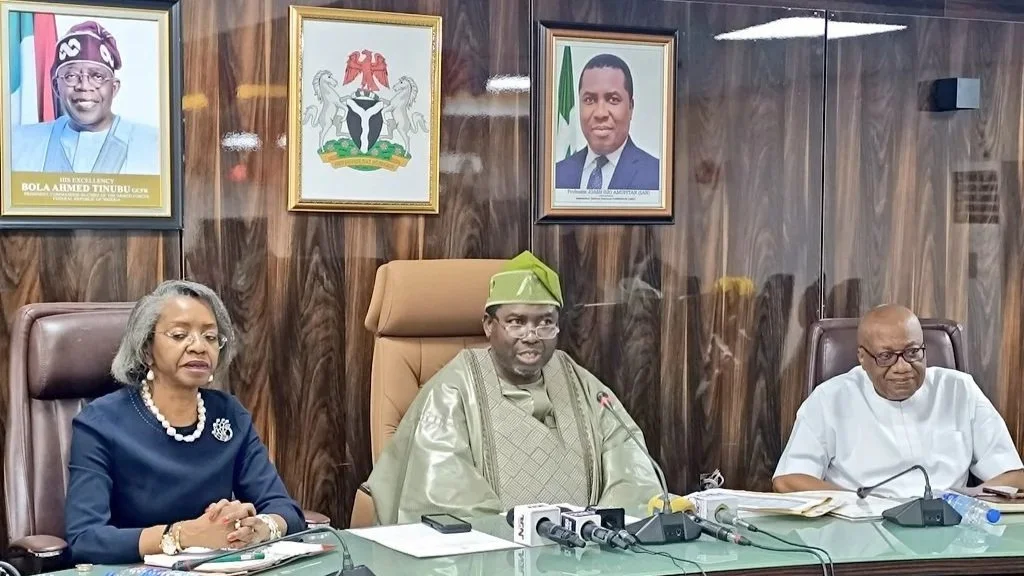
Presidential and State Elections in Nigeria Now Scheduled for January and February 2027
Nigeria’s Independent National Electoral Commission (INEC) has issued a revised timetable for the 2027 general elections, formally scheduling the presidential and National Assembly elections for Saturday, 16 January 2027, while the governorship and state houses of assembly elections are slated for Saturday, 6 February 2027. The adjustment follows changes to the country’s electoral legal framework and aims to ensure full compliance with the updated statutory timelines.
Legal Basis for the Revised Election Dates
According to INEC’s official statement, the adjustments stem from the repeal of the Electoral Act, 2022, and the enactment of the Electoral Act, 2026, which introduced significant adjustments to the statutory timelines governing pre-election and election processes. The Commission reviewed its earlier 2027 election calendar to align with these new legal requirements.
Under the previous schedule (issued pursuant to the repealed 2022 Act), the presidential and National Assembly elections were initially slated for 20 February 2027, and the governorship and state assembly polls for 6 March 2027. The revised timetable advances both benchmarks to January and early February.
Revised Election Schedule and Key Milestones
Alongside the new core election dates, INEC has outlined key preparatory activities and timelines to support orderly electoral conduct:
Party Primaries and Dispute Resolutions: Scheduled to begin on 23 April 2026 and end by 30 May 2026.
Presidential and National Assembly Campaigns: Set to commence 19 August 2026.
Governorship and State Assembly Campaigns: Scheduled to begin 9 September 2026.
Campaign Close: In accordance with law, all campaign activities must end 24 hours before each respective election day.
INEC has emphasised that political parties and stakeholders must strictly adhere to these timelines to ensure a credible and peaceful electoral process.
Broader Implications of the Revised Electoral Timeline
The rescheduling of Nigeria’s general elections represents one of the first major administrative outcomes following the enactment of the Electoral Act, 2026, which fundamentally modified statutory electoral timelines. Experts note that the legislative changes and resulting timetable adjustments will require political parties, candidates and electoral stakeholders to accelerate mobilisation and campaign planning.
The adjustment also moves the presidential election earlier than its traditional timing in Nigeria’s democratic history. Elections held in previous cycles took place at later dates in the calendar year; the January timing for 2027 marks a notable shift triggered by the revised legal framework.
Conclusion: Readiness and Compliance Ahead of 2027
With the confirmed dates now in the public domain, the political landscape in Nigeria is expected to intensify as parties ramp up internal preparations, candidate selection and groundwork for electioneering activities. INEC’s revised schedule underscores a legal and procedural commitment to organise the 2027 polls in accordance with updated statutory requirements while providing a clear calendar for stakeholders to follow.
Peaceful, credible and inclusive elections remain a collective responsibility of the Commission, political parties, civil society and the electorate as Nigeria enters a critical phase ahead of the 2027 general elections.
