
House of Reps Passes ₦58.47 Trillion 2026 Budget for Second Reading
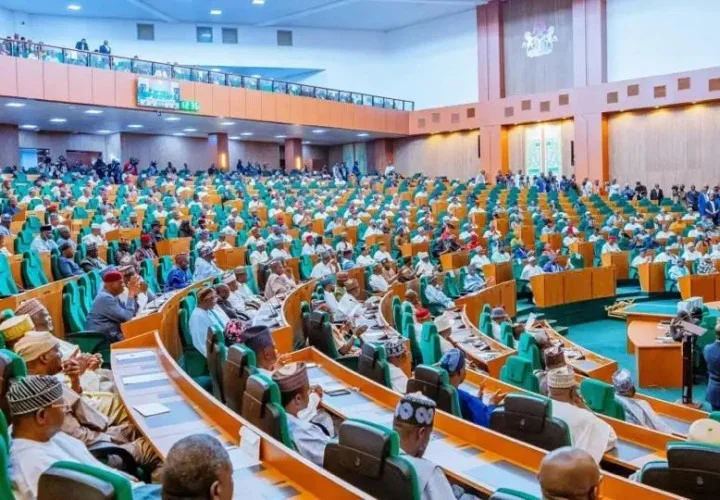
House of Representatives during plenary
The House of Representatives has passed the 2026 Appropriation Bill, totaling ₦58.472 trillion, for a second reading. Following a robust debate on the general principles of the bill, the Green Chamber adjourned plenary sessions to enable various standing committees to commence the budget defence process for Ministries, Departments, and Agencies (MDAs).
Legislative Progress and Economic Parameters
The passage for the second reading marks a significant milestone in the legislative cycle for the 2026 fiscal year. Lawmakers focused their deliberations on the viability of the budget’s underlying assumptions, including the projected exchange rate, daily oil production benchmarks, and inflationary targets.
The ₦58.472 trillion proposal represents a strategic fiscal blueprint aimed at addressing Nigeria’s pressing infrastructural deficits and stimulating multi-sectoral growth. Majority of the lawmakers expressed support for the bill’s focus on human capital development and national security, though concerns were raised regarding the rising cost of debt servicing and the feasibility of revenue generation targets.
Transition to Committee Stage
With the second reading concluded, the bill has been referred to the House Committee on Appropriation and other relevant standing committees. The House has officially adjourned plenary to allow lawmakers to concentrate on the "budget defence" phase. During this period:
MDA Screenings: Heads of government agencies are expected to appear before committees to justify their proposed allocations and account for their 2025 fiscal performance.
Granular Review: Committees will scrutinize line items to ensure alignment with the Federal Government's developmental priorities.
Stakeholder Engagement: The process is expected to involve public hearings to ensure transparency and inclusivity in the budgetary process.
Focus on Fiscal Discipline
Leadership of the House emphasized that the 2026 budget process will prioritize fiscal discipline and the timely completion of ongoing projects. Speaker of the House noted that the adjournment of plenary is a necessary step to ensure that the legislature performs its oversight function thoroughly before the final passage of the bill.
The House is operating under a compressed timeline to ensure the budget is passed and signed into law before the start of the 2026 calendar year, maintaining the January-to-December budget cycle reinstated in recent years.
The advancement of the 2026 Appropriation Bill to the committee stage signals the legislature’s readiness to move from policy debate to practical oversight. As MDAs prepare to defend their estimates, the focus of the Nigerian public and the international investment community will remain on the House's ability to balance ambitious spending goals with sustainable revenue realities. The successful implementation of this ₦58.47 trillion budget will be pivotal in determining the trajectory of Nigeria’s economic recovery and infrastructural modernization over the coming fiscal year.
