
High Logistics Costs Threaten Nigeria’s Competitiveness in AfCFTA Market
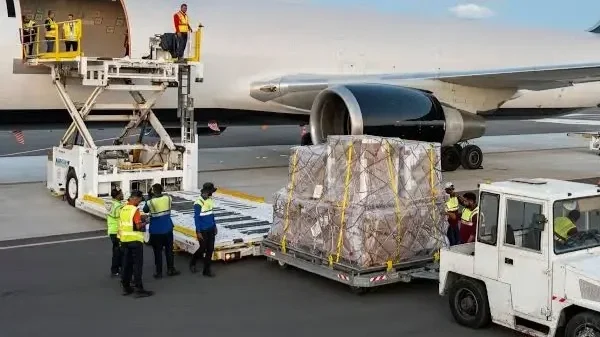
Nigeria’s Air Cargo Reforms Critical for AfCFTA Success, Says SEREC
Repositioning Nigeria’s air cargo governance is critical to ensuring national competitiveness under the African Continental Free Trade Area (AfCFTA) and driving non-oil export growth. This was the central position of a policy brief issued by the Sea Empowerment Research Centre (SEREC) on Wednesday in Abuja.
The policy brief, authored by Dr. Eugene Nweke, Head of Research at SEREC, follows a recent dispute over tariff adjustments between the Federal Airports Authority of Nigeria (FAAN) and various freight forwarding and air cargo agents. While a compromise was reached on Monday regarding the proposed upward review of charges, the incident has highlighted systemic vulnerabilities in Nigeria's aviation logistics.
Air Cargo as Strategic Trade Infrastructure
Dr. Nweke emphasized that in the evolving AfCFTA landscape, air cargo serves as a decisive factor for high-value and time-sensitive intra-African trade. He argued that air cargo should be recognized as a strategic trade infrastructure rather than a subsidiary aviation function.
According to the brief, countries that succeed under the AfCFTA will be those that minimize logistics costs, ensure supply chain predictability, and maintain secure operations. Nigeria’s current system, however, remains hampered by fragmented governance, inconsistent policy implementation, and a weak link between tariffs and service delivery.
Recommendations for Reform
To address these gaps and prevent Nigeria from becoming a high-cost, low-efficiency hub, SEREC proposed several strategic interventions:
Establishment of a National Committee: The government should institutionalize a permanent Air Cargo Policy and Tariff Framework through a National Air Cargo Economic and Trade Facilitation Committee. This body would include representatives from FAAN, the Nigerian Civil Aviation Authority (NCAA), Customs, airlines, and freight forwarders.
Economic Impact Assessments: The proposed committee should be mandated to conduct rigorous impact assessments and stakeholder validations before any future tariff adjustments are implemented.
Digitalization: There is an urgent need to accelerate the deployment of a National Air Cargo Community System to integrate the operations of FAAN, Customs, handlers, and agents.
Export Safeguards: The government must introduce AfCFTA-sensitive safeguards to protect priority export sectors such as agro-produce and pharmaceuticals from excessive cost escalations.
The Path to Regional Leadership
The policy brief warned that current decisions will determine whether Nigeria emerges as a leading African air cargo hub or cedes its regional advantage to competing economies. SEREC noted that the Ministry of Aviation and Aerospace Development is uniquely positioned to drive these holistic reforms and restore stakeholder confidence.
By aligning aviation policy with national trade objectives, Nigeria can better support its non-oil export diversification goals. SEREC reaffirmed its commitment to providing technical support and comparative policy analysis to facilitate these necessary reforms, ensuring that Nigeria's logistics framework supports, rather than undermines, regional trade competitiveness.
