
Expanding Social Infrastructure: FG Targets Affordable Housing for Veterans
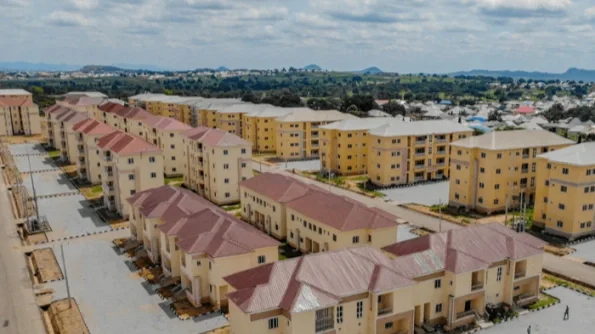
Federal Government and Nigerian Legion to develop affordable housing for military veterans across the country.
The Federal Government, through the Ministry of Housing and Urban Development, has formalised a partnership with the Nigerian Legion to develop affordable housing for military veterans across the country. This initiative aims to address the housing deficit faced by ex-servicemen and provide sustainable social infrastructure for those who have served in the Nigerian Armed Forces.
Collaborative Framework for Social Housing
The partnership was solidified during a visit by the leadership of the Nigerian Legion to the Minister of Housing and Urban Development, Arc. Ahmed Dangiwa, in Abuja. The collaboration intends to integrate veterans into the government’s broader "Renewed Hope Cities and Estates" programme. By leveraging the Nigerian Legion's structured network and the Ministry’s technical expertise, the project seeks to create dedicated residential hubs tailored to the financial realities of retirees.
According to the Ministry, the primary objective is to ensure that veterans have access to low-interest mortgage facilities and flexible payment plans. The government plans to utilize various funding windows, including the National Housing Fund (NHF), to make these units accessible to those on fixed retirement incomes.
Strategic Allocation and Development Targets
The Nigerian Legion has requested the allocation of land and specific housing quotas in ongoing federal projects across the 36 states and the Federal Capital Territory. The Minister confirmed that the government is prepared to reserve a percentage of houses in the Renewed Hope estates specifically for veterans, provided the Legion assists in identifying eligible beneficiaries.
To ensure the commercial viability and transparency of the project, the Ministry has directed the Nigerian Legion to establish a technical committee. This committee will work with the Federal Mortgage Bank of Nigeria (FMBN) and the Federal Housing Authority (FHA) to streamline the application process. This structured approach aims to prevent bottlenecks and ensure that the housing units reach the intended demographic.
Economic and Social Impact on Veterans
The initiative addresses a critical gap in the welfare of Nigeria’s military personnel post-service. Beyond providing shelter, the development of these housing units is expected to stimulate local economies through construction-related employment and increased demand for building materials. The Minister emphasized that providing affordable housing is a key pillar of national security and social stability, as it offers a sense of dignity to ex-servicemen.
Furthermore, the government is exploring the use of alternative building technologies to reduce construction costs without compromising structural integrity. This strategy is intended to keep the unit prices within the ₦7 million to ₦15 million range, depending on the location and building type.
The collaboration between the Federal Government and the Nigerian Legion represents a significant step toward institutionalizing welfare for military veterans. By aligning veteran-specific needs with national housing goals, the Ministry is establishing a scalable model for social infrastructure. The success of this programme will depend on the effective coordination of the technical committee and the timely disbursement of funds from the Federal Mortgage Bank to facilitate rapid construction.
