
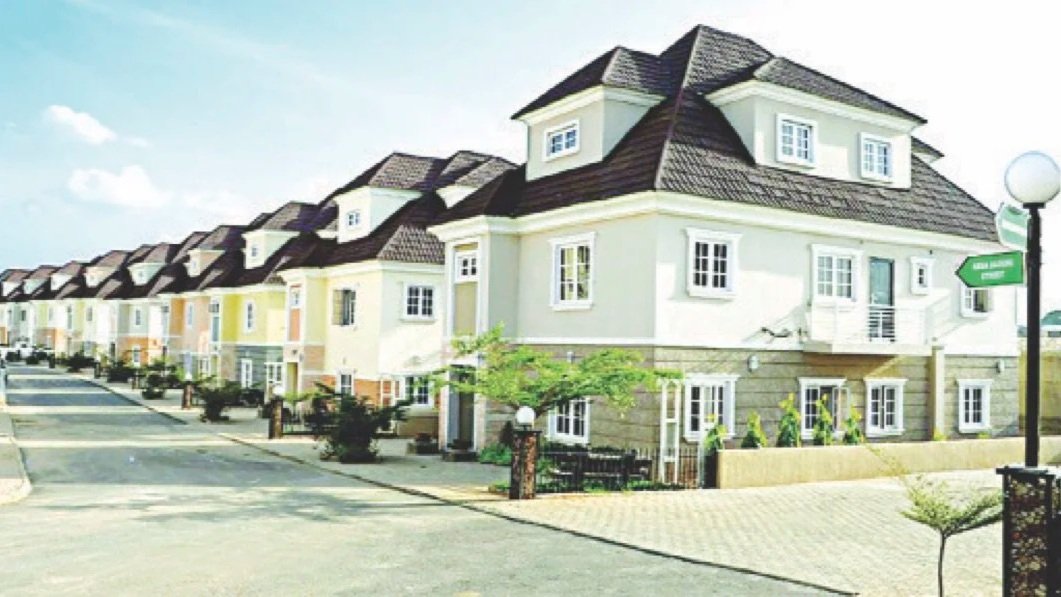
Diaspora-Driven Demand Facilitates Structural Shifts in Nigerian Property Market
The persistent influx of capital from Nigerians in the diaspora is fundamentally altering the types of real estate products entering the domestic market. Driven by the devaluation of the Naira and a strategic move toward wealth preservation, this demographic has transitioned from occasional buyers to a dominant force influencing architectural standards, facility management, and payment structures in major urban centres.
Market reports for early 2026 indicate that diaspora led transactions now account for a significant share of off plan sales, particularly in gated communities and master planned estates. This capital is not only providing liquidity to developers facing high domestic borrowing costs but is also institutionalising "international grade" specifications across the residential sector.
Currency Volatility as an Investment Catalyst
The ongoing fluctuation of the Naira against major currencies remains the primary driver of this trend. For Nigerians earning in US Dollars, Euros, or Pounds, domestic property has become a high yield asset available at a relative discount. According to industry data, while property prices have "stretched" in Naira terms due to inflation, they remain competitive or even undervalued in real terms when adjusted for currency movement.
This purchasing power advantage is most visible in the luxury and semi luxury segments of Lagos and Abuja. Developers report that diaspora investors are increasingly bypassing traditional financing, opting instead for outright purchases or structured payment plans that offer a hedge against further local currency depreciation.
Evolution of Product Standards and Specifications
To attract and retain diaspora capital, real estate firms are re-engineering their project portfolios. There is a marked shift away from expansive, high-maintenance family homes toward compact, tech-enabled, and "green" apartments. Diaspora investors typically prioritise assets that facilitate either immediate rental income or capital appreciation through the short let (Airbnb) market.
Standard features now expected in diaspora-targeted developments include:
Smart Home Technology: Integrated security, automated lighting, and remote monitoring.
Sustainable Infrastructure: Solar power and inverter systems as standard features to bypass grid unreliability.
Professional Management: A preference for corporate-managed estates that ensure asset maintenance and security for owners residing abroad.
Transparency and Institutional Reforms
The growing influence of international investors is also accelerating reforms in land administration and transaction security. To mitigate risks such as land fraud and double allocation, there is an increased reliance on prop-tech platforms that offer virtual tours, live construction feeds, and digital title verification.
Several state governments, including Lagos and the Federal Capital Territory (FCT), are responding by digitising land registries. These efforts aim to reduce the time for obtaining Governor’s Consent and other statutory approvals, which have historically been bottlenecks for investors living outside the country.
Market Implications and Outlook
While diaspora investment stimulates the construction sector and supports the national economy through remittances estimated to reach over $20 billion annually it also presents challenges for local affordability. The focus on high end, foreign currency aligned pricing risks widening the gap between luxury supply and the housing needs of the average Nigerian earner.
As we progress through 2026, the sustainability of this trend will likely depend on the stability of the foreign exchange market and the continued improvement of consumer protection frameworks. For now, the "Diaspora Factor" remains the most significant tailwind for the Nigerian real estate industry, setting new benchmarks for quality and investment transparency.
